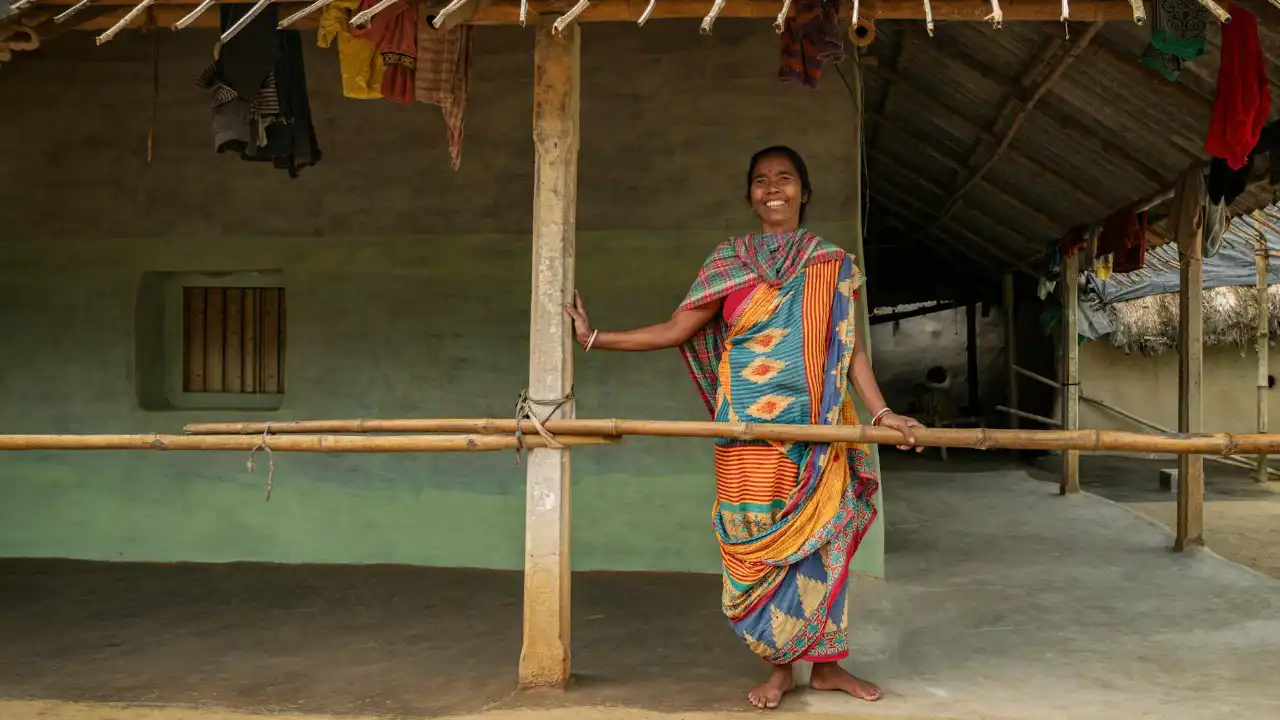
The Forest Rights Act of 2006 stands as one of India’s most significant pieces of legislation affecting forest-dwelling communities, recognizing rights that existed for generations but lacked formal acknowledgment. In Karnataka, where forests cover approximately 38,000 square kilometers and support thousands of tribal and traditional forest-dwelling families, understanding this law becomes essential for students, activists, and anyone concerned with environmental justice.
Table of Contents
What the Forest Rights Act Actually Recognizes
The Scheduled Tribes and Other Traditional Forest Dwellers (Recognition of Forest Rights) Act 2006, commonly called the Forest Rights Act or FRA, grants legal recognition to the rights of forest-dwelling communities over land and resources they have used for generations. According to Forest Rights Act official resources, the legislation covers two primary categories: individual rights to land for habitation and cultivation, and community rights over forest resources.
Individual rights typically extend to land occupied before December 13, 2005, with a maximum limit of four hectares per family. Community rights encompass a broader spectrum including grazing areas, water bodies, traditional hunting grounds, and the right to protect and manage community forest resources. These rights apply regardless of whether the land falls within Reserved Forests, Protected Forests, or other classified forest areas across Karnataka.
The Act also recognizes the right to in-situ rehabilitation in cases where communities face displacement due to conservation projects. For students examining social justice frameworks, this provision represents a fundamental shift from earlier conservation models that often excluded indigenous populations from protected areas.
Who Qualifies Under This Legislation
Eligibility extends to two distinct groups. Scheduled Tribes who primarily reside in forests and depend on forests for their livelihood qualify automatically, provided they can demonstrate residence in the area before December 13, 2005. The second category covers other traditional forest dwellers who have resided in forests for at least three generations (75 years) before the cutoff date and depend on the forest for their livelihood.
In Karnataka, this includes communities across the Western Ghats region, particularly in districts like Uttara Kannada, Shivamogga, Chikkamagaluru, and Kodagu where Scheduled Tribes such as Soligas, Jenu Kurubas, and Yeravas have maintained forest connections for centuries. The three-generation requirement for non-tribal dwellers means families must trace their forest dependence back to approximately 1930.
Documentation becomes critical for establishing claims. Revenue records, ration cards showing forest addresses, voter lists, and affidavits from village elders serve as supporting evidence. Students researching implementation challenges often discover that documentation barriers create significant obstacles for communities with limited literacy or bureaucratic access.
The Claims Process and Implementation Structure
Filing a claim begins at the gram sabha level, the village assembly that serves as the foundation of the entire process. The gram sabha receives individual and community claims, verifies them through local knowledge, and prepares a resolution. This resolution then moves through a three-tier structure: the Sub-Divisional Level Committee (SDLC), the District Level Committee (DLC), and potential appeals to the State Level Monitoring Committee.
Each committee includes forest officials, revenue officers, and representatives from tribal welfare departments. The SDLC examines claims for accuracy and completeness before forwarding recommendations to the DLC, which holds final authority to approve or reject claims. According to Forest Rights Act tribal welfare status, the state has received over 200,000 claims since the Act’s passage, though processing rates vary significantly across districts.
Timeline targets exist within the rules, but ground realities often extend beyond these limits. The entire process from claim filing to title distribution ideally completes within six months, though Karnataka has witnessed delays stretching to years in certain regions due to staff shortages, verification complexities, and occasional resistance from forest departments concerned about conservation mandates.
Rights Granted Beyond Land Ownership
The legislation extends well beyond simple land titles. Community forest resource rights allow gram sabhas to protect, conserve, and manage forest areas, creating a framework for participatory conservation. This includes the right to sustainable harvest of minor forest produce like honey, tamarind, soap nuts, and medicinal plants that provide livelihoods for thousands of Karnataka families.
Minor forest produce rights carry particular economic significance. Communities gain ownership over collected produce rather than selling through intermediaries at depressed rates. In Karnataka’s Biligiri Rangaswamy Temple Tiger Reserve, Soliga communities have used FRA rights to continue sustainable honey collection and gooseberry harvesting while participating in conservation monitoring.
The Act also recognizes rights to protect cultural and religious sites within forests, convert pattas (land titles) from other laws into FRA titles with stronger protections, and participate in decisions about forest land diversion for development projects. For environment activists, these provisions create legal tools to challenge projects that ignore community consent requirements.
Challenges in Karnataka’s Implementation
Despite legislative intent, implementation faces persistent obstacles. Rejection rates remain high in several Karnataka districts, often due to claimed insufficient evidence or conflicts with existing forest classifications. Many forest officials trained under earlier conservation paradigms view community rights as threats to protection efforts rather than complementary approaches.
Lack of awareness compounds implementation gaps. Eligible families in remote forest areas often remain unaware of their rights or the claims process. Student activists and NGOs have filled some gaps through awareness campaigns, but coverage remains incomplete across Karnataka’s extensive forested regions.
| Implementation Challenge | Impact on Communities | Potential Solutions |
|---|---|---|
| Documentation requirements | Excludes families lacking written records | Accept oral testimony and traditional evidence |
| Bureaucratic delays | Rights pending for years after filing | Dedicated FRA cells with sufficient staffing |
| Limited awareness | Eligible families never file claims | Systematic outreach through gram sabhas |
| Conflict with conservation laws | Rights rejected in protected areas | Training on FRA’s supremacy over earlier laws |
The Supreme Court’s February 2019 order (later stayed) directing eviction of rejected claimants sparked massive concern, though subsequent modifications allowed for review processes. This legal uncertainty affects thousands of Karnataka families whose claims remain in various processing stages.
Why This Matters for Future Generations
Understanding the Forest Rights Act equips students and citizens with knowledge about legal frameworks balancing conservation with justice. The legislation challenges assumptions that conservation requires excluding human communities, instead proposing models where traditional knowledge and sustainable practices contribute to ecosystem protection.
For job seekers interested in social work, environmental law, or forest administration, FRA implementation creates career paths in legal aid, community mobilization, and participatory conservation. Karnataka’s forests need professionals who understand both ecological science and social equity dimensions.
The Act’s success ultimately depends on informed citizens demanding proper implementation. Students studying this legislation gain tools to advocate for communities whose relationships with forests predate modern property systems, ensuring that conservation efforts respect the rights and knowledge of those who have protected these ecosystems for generations.