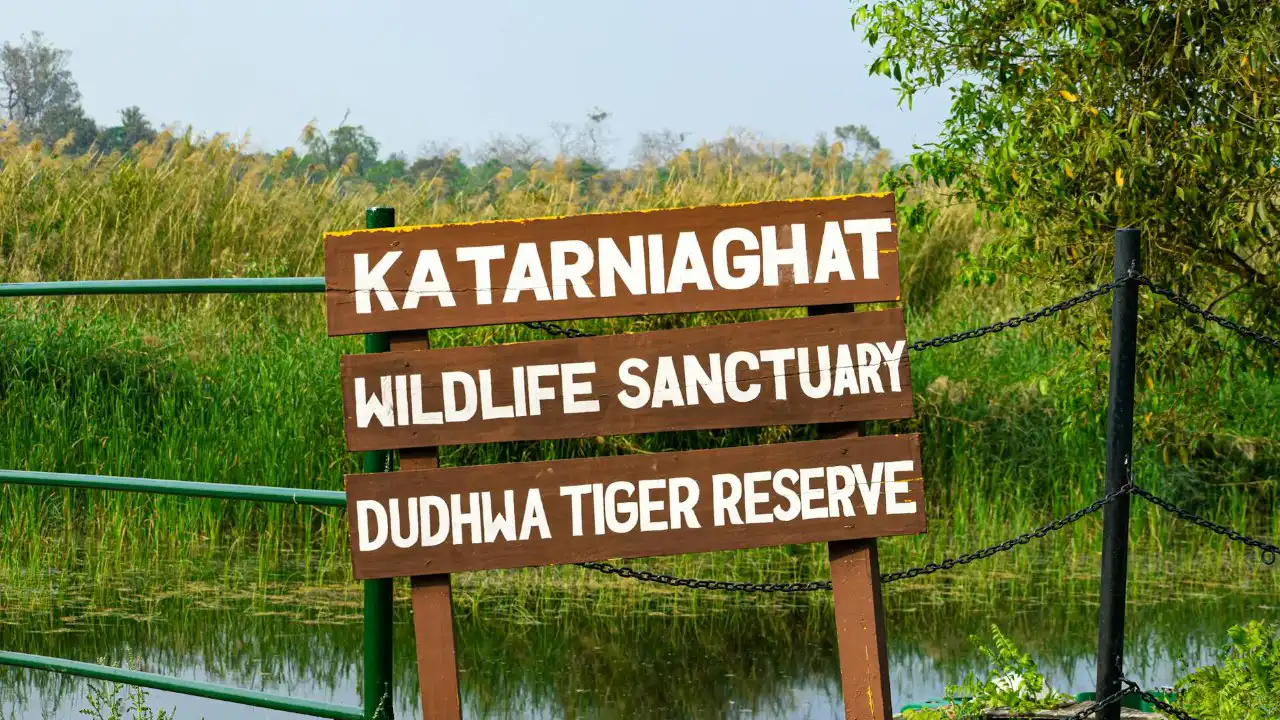
Karnataka protects its rich biodiversity through three distinct categories of conservation areas: biosphere reserves, national parks, and wildlife sanctuaries. While all three aim to preserve ecosystems and species, they differ significantly in purpose, management approach, and human activity permitted within their boundaries. Understanding these differences helps residents, environmental advocates, and policymakers recognize how conservation strategies adapt to varying ecological and social needs across the state.
Table of Contents
Legal Framework and Classification
Wildlife sanctuaries operate under the Wildlife Protection Act of 1972, primarily focusing on protecting specific animal species and their habitats. National parks receive stricter protection under the same legislation, prohibiting most human activities except regulated tourism and research. Biosphere reserves function under UNESCO’s Man and the Biosphere Programme, representing the broadest conservation model that integrates ecological protection with sustainable human use.

In Karnataka, these classifications translate to practical differences on the ground. The state manages 21 wildlife sanctuaries, five national parks, and one biosphere reserve. Each classification reflects the ecological significance of the area and the level of human-wildlife interface that management strategies must address. According to Karnataka Forest Department official website, these zones collectively safeguard over 17 percent of the state’s geographical area.
Human Settlement and Activity Rights
Biosphere reserves permit permanent human habitation and traditional practices within designated buffer and transition zones. Local communities continue agriculture, grazing, and resource collection under regulated frameworks that balance livelihoods with conservation goals. The Nilgiri Biosphere Reserve, which extends into Karnataka, exemplifies this model where indigenous groups maintain cultural practices while participating in ecosystem monitoring.
National parks prohibit human habitation entirely. Residents living within demarcated boundaries at the time of park creation received relocation assistance, though implementation remains contentious in several Karnataka locations. Bandipur and Nagarhole national parks undertook such relocations during the 1970s and 1980s, reshaping settlement patterns across the Western Ghats region.
Wildlife sanctuaries occupy middle ground. Existing settlements may continue, and states can permit regulated resource extraction for community needs. Bhadra Wildlife Sanctuary demonstrates this approach, where select villages persist within sanctuary limits under specific guidelines that restrict expansion and commercial exploitation.
Conservation Objectives and Management Priorities
| Category | Primary Objective | Human Activity | Research Focus |
|---|---|---|---|
| Biosphere Reserve | Ecosystem conservation with sustainable development | Permitted in buffer and transition zones | Ecological monitoring and sustainable practice development |
| National Park | Landscape and species protection without human interference | Prohibited except regulated tourism and research | Wildlife population dynamics and habitat restoration |
| Wildlife Sanctuary | Targeted species protection with controlled human use | Existing settlements allowed, regulated extraction permitted | Species-specific conservation and human-wildlife conflict mitigation |
National parks prioritize undisturbed wilderness preservation. Management focuses on removing anthropogenic pressures, restoring degraded habitats, and maintaining natural ecological processes. Karnataka’s Bandipur National Park, established in 1974, exemplifies this philosophy through strict entry controls and seasonal tourism restrictions that minimize disturbance during critical breeding periods.
Wildlife sanctuaries target specific conservation challenges while acknowledging human needs. Dandeli Wildlife Sanctuary balances tiger conservation with regulated timber extraction and tourism infrastructure, demonstrating the adaptive management these areas require. Sanctuary authorities can modify protection levels for particular zones, creating core areas with national park-level restrictions surrounded by buffer zones permitting controlled activity.
Tourism and Public Access
Public access varies substantially across these categories. National parks permit tourism through designated routes and regulated safari systems with strict carrying capacity limits. Visitors must follow prescribed pathways, maintain distance from wildlife, and restrict activities to daylight hours. Nagarhole National Park enforces such protocols rigorously, limiting daily vehicle entries and prohibiting off-road movement.
Wildlife sanctuaries generally offer more flexible access, though authorities maintain oversight of visitor numbers and activities. Many Karnataka sanctuaries permit nature walks, camping, and photography with appropriate permissions, creating opportunities for environmental education beyond standard safari experiences.
Biosphere reserves encourage responsible tourism that supports local economies. The transition zones within these reserves often feature community-managed homestays, craft centers, and cultural experiences that generate income while fostering conservation awareness. This model transforms residents into stakeholders who benefit directly from maintaining ecological integrity.
Challenges in Implementation
Karnataka faces ongoing tensions between conservation classifications and ground realities. Wildlife sanctuaries hosting established villages confront human-wildlife conflict as populations grow and agricultural land expands. Elephants moving through Brahmagiri Wildlife Sanctuary regularly damage crops, creating resentment among farmers who question whether sanctuary status serves their interests. According to human-wildlife conflict compensation policy, the state processes thousands of damage claims annually from sanctuary-adjacent communities.
National park boundaries sometimes bisect traditional migration routes or resource collection areas that communities depended upon for generations. Relocation programs, while legally mandated, disrupt social structures and livelihoods, leading to resistance and legal challenges that delay conservation implementation.
Biosphere reserves remain underutilized in Karnataka despite their potential for harmonizing conservation with development. The state hosts only a portion of the Nilgiri Biosphere Reserve, limiting opportunities to demonstrate this integrated model’s effectiveness for regions where complete human exclusion proves socially or economically unviable.
Strategic Conservation Planning
Selecting the appropriate classification requires assessing ecological sensitivity, existing human presence, and conservation objectives. Critical tiger habitats warrant national park status to eliminate disturbance and enable population recovery. Areas supporting unique but less sensitive species may function effectively as wildlife sanctuaries where controlled human activity continues under monitoring.
Biosphere reserves suit landscapes where communities possess traditional ecological knowledge and sustainable practices that complement conservation goals. Expanding this model in Karnataka’s Western Ghats could address conservation challenges while respecting indigenous rights and local livelihoods.
Effective biodiversity protection across Karnataka depends on recognizing that these three categories serve complementary rather than competing purposes. National parks provide undisturbed refugia for species requiring pristine habitats. Wildlife sanctuaries protect important ecosystems while accommodating existing communities through regulated frameworks. Biosphere reserves demonstrate that conservation and development can advance together when management prioritizes both ecological health and human wellbeing. Understanding these distinctions enables stakeholders to advocate for appropriate protections that match each landscape’s unique ecological and social context.