Karnataka’s environmental landscape shapes both competitive exam syllabi and the state’s ecological future. Candidates preparing for Karnataka Public Service Commission (KPSC), forest department recruitments, and banking examinations encounter regular questions on state-specific environmental policies, conservation initiatives, and ecological challenges. Understanding recent developments in Karnataka’s forests, wildlife corridors, and pollution control measures provides the dual advantage of exam readiness and informed environmental citizenship.
Table of Contents
Western Ghats Conservation and UNESCO Compliance
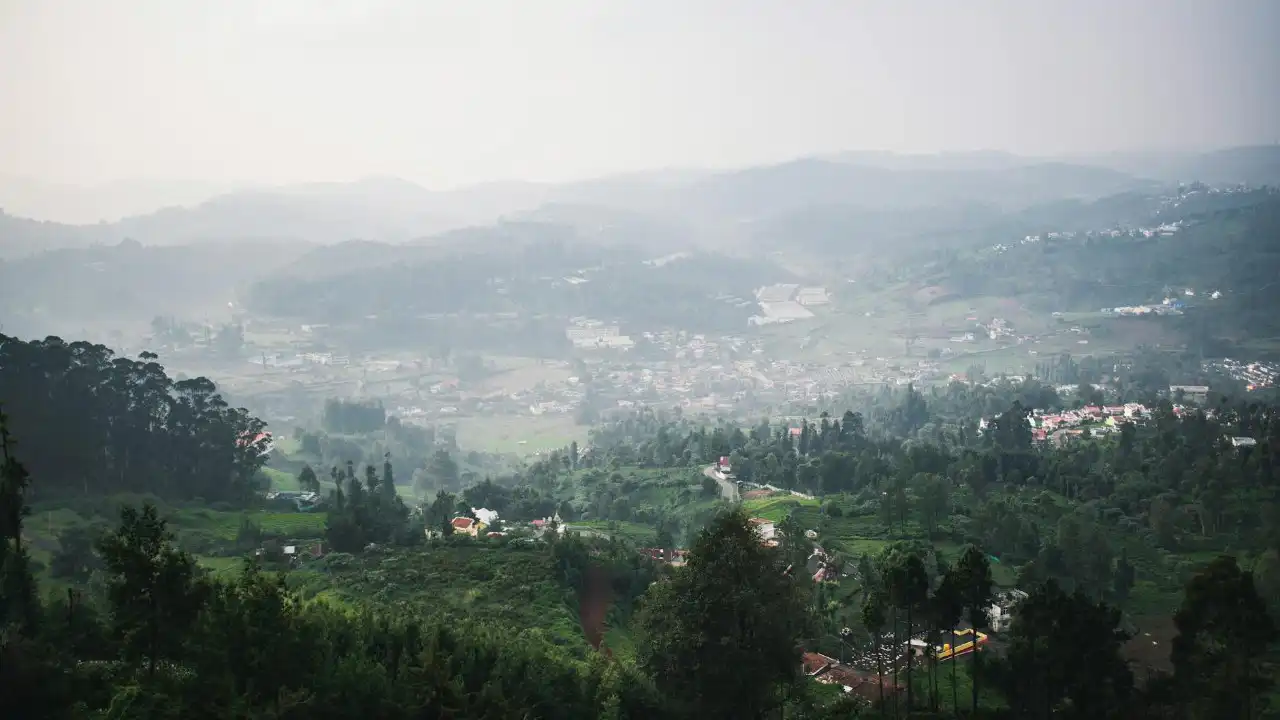
The Western Ghats, spanning approximately 60,000 square kilometers across Karnataka, remain a focal point for both conservationists and exam question setters. The state houses critical biodiversity hotspots within this mountain range, including the Sharavathi Valley Wildlife Sanctuary and Kudremukh National Park. Recent enforcement of the Kasturirangan Committee recommendations has intensified scrutiny of development projects in ecologically sensitive areas.

Karnataka’s approach to balancing development with conservation reflects in its revised Ecologically Sensitive Area (ESA) demarcation. The state government’s implementation strategy affects 1,576 villages across 10 districts, creating regulatory frameworks that frequently appear in current affairs sections. Competitive exams emphasize understanding the distinction between absolute restriction zones and areas permitting regulated activities. Forest Rights Act implementation resources
Tiger Reserves and Wildlife Corridor Management
Karnataka administers six tiger reserves — Bandipur, Nagarahole, Bhadra, Dandeli-Anshi, Biligiri Ranganatha Temple, and the recently notified MM Hills Tiger Reserve. The state’s tiger population, recorded at 563 in the latest census, represents approximately 19 percent of India’s total tiger count. This statistical prominence ensures regular exam questions on reserve management protocols and anti-poaching measures.
The Bandipur-Nagarahole-Mudumalai-Wayanad landscape forms one of Asia’s largest contiguous forest patches, stretching across Karnataka, Tamil Nadu, and Kerala. Infrastructure projects intersecting wildlife corridors generate ongoing policy debates. The proposed Hunsur-Gonikoppal railway line through Nagarahole exemplifies conflicts between connectivity demands and habitat integrity, a thematic area appearing across multiple competitive exam formats.
Urban Environmental Challenges in Bangalore and Major Cities

Bangalore’s rapid urbanization presents environmental management challenges that dominate Karnataka-focused exam questions. The city’s lakes, numbering approximately 200 active water bodies down from historical counts exceeding 800, illustrate urban ecological decline. The Karnataka Lake Conservation and Development Authority oversees restoration projects that competitive exam candidates must track for current affairs accuracy.
Air quality monitoring across Bangalore, Mysuru, and Hubli-Dharwad provides quantifiable data for exam questions. The Karnataka State Pollution Control Board operates continuous ambient air quality monitoring stations, with particulate matter concentrations frequently exceeding National Ambient Air Quality Standards during winter months. Candidates benefit from understanding the Air Quality Index categories and their health implications as outlined in Central Pollution Control Board guidelines.
| Environmental Challenge | Primary Affected Region | Key Government Initiative |
|---|---|---|
| Lake Encroachment | Bangalore Urban District | Revised Buffer Zone Enforcement (2021) |
| Forest Fragmentation | Western Ghats Districts | Compensatory Afforestation Fund Utilization |
| Industrial Effluent | Peenya, Whitefield Industrial Areas | Zero Liquid Discharge Mandates |
| Waste Management | Municipal Corporations Statewide | Decentralized Composting Programs |
Climate Action and Renewable Energy Policies
Karnataka leads national renewable energy capacity, with installed solar and wind power exceeding 17,000 megawatts. The Karnataka Renewable Energy Development Limited (KREDL) administers policies that generate technical questions in engineering and administrative service exams. Understanding grid connectivity norms, rooftop solar subsidies, and agricultural pump solarization schemes provides comprehensive preparation.
The state’s Climate Change Action Plan identifies vulnerable sectors including agriculture, water resources, and coastal ecosystems. Adaptation strategies for drought-prone regions like Kalaburagi and Raichur divisions appear in rural development and agricultural officer examinations. The Karnataka State Climate Cell coordinates mitigation efforts, making its organizational structure and mandate relevant for administrative exam preparation.
Forest Rights and Community Conservation
Implementation of the Scheduled Tribes and Other Traditional Forest Dwellers (Recognition of Forest Rights) Act across Karnataka’s tribal-dominated districts creates legal and administrative questions for competitive exams. The state has processed thousands of individual and community forest rights claims, with varying approval rates across districts. Understanding the distinction between individual forest rights, community forest resources, and developmental rights proves essential. Forest Rights Act implementation resources
Joint Forest Management committees operate across Karnataka, involving local communities in conservation activities. The Van Panchayat system and eco-development committees around protected areas represent participatory governance models. Exam questions frequently probe the composition, powers, and fund utilization patterns of these grassroots conservation bodies.
Preparing Environmental Current Affairs for Competitive Success
Effective preparation requires tracking Karnataka Environment Department notifications, State Pollution Control Board orders, and forest department press releases. Monthly compilations should include new protected area notifications, industrial clearance controversies, and judicial interventions on environmental matters. The Karnataka High Court’s green bench rulings set precedents that appear in law and administrative exam papers.
Candidates should maintain quantitative data on forest cover percentages, species endemism figures, and pollution parameters. The biennial State of Environment Report published by the Karnataka Environment Department provides consolidated information. Integrating Karnataka-specific developments with national environmental policies and international agreements creates comprehensive understanding valued across examination formats. Regular revision using multiple-choice practice questions on recent environmental decisions sharpens both factual recall and analytical application skills necessary for competitive examination success.