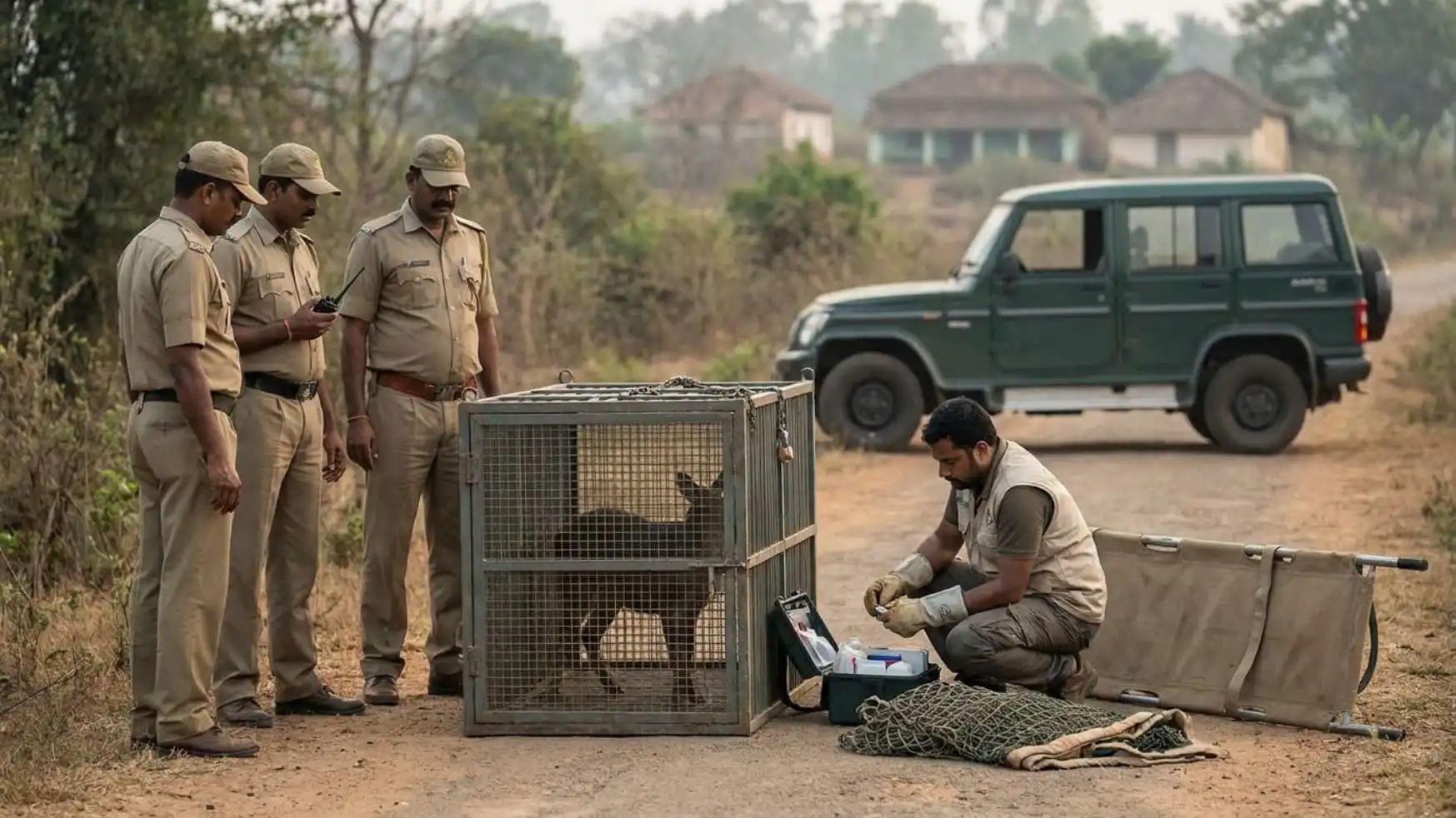
Wildlife rescue operations in Karnataka represent a critical intersection of conservation science, rapid response protocols, and community safety. Forest officials across the state manage hundreds of human-animal conflict incidents annually, from leopard rescues in Bangalore’s urban periphery to elephant translocation operations near Bandipur National Reserve. These interventions require specialized training, veterinary coordination, and equipment that goes far beyond traditional forest management.
Table of Contents
Incident Detection and Response Activation
Forest departments maintain 24-hour control rooms in districts with high wildlife density. When a resident reports a wild animal entering agricultural land or residential areas, the control room dispatcher verifies the species, assesses immediate danger, and activates the nearest Rapid Response Team. In Karnataka, these teams operate from divisional headquarters in Mysuru, Shivamogga, and Chikkamagaluru, among others.
The initial response window determines rescue success rates. Officials classify incidents by urgency: immediate threats to human life trigger responses within two hours, while trapped animals without public risk may receive scheduled interventions. This triage system prevents resource depletion while addressing genuine emergencies. According to Karnataka Forest Department annual reports, response times have improved by 40 percent since dedicated rapid response units were established in 2018.
Field Assessment and Strategic Planning
Upon arrival, the team leader conducts a site assessment covering terrain accessibility, animal behavior patterns, crowd management needs, and veterinary requirements. A leopard cornered in a village compound demands different tactics than a python in open farmland. Officials establish safety perimeters, brief local police, and communicate evacuation protocols if necessary.
Veterinary officers evaluate the animal’s stress levels and physical condition. Sedation protocols vary by species, body weight, and environmental temperature. Karnataka’s forest veterinary network collaborates with wildlife hospitals in Bannerghatta and Mysuru to determine appropriate tranquilizer dosages. This coordination prevents over-sedation, which can cause respiratory failure in large mammals, or under-sedation, which risks injury to both animal and rescue personnel.
Capture Techniques and Equipment Standards
Forest officials employ species-specific capture methods governed by Wildlife Protection Act guidelines. The table below outlines standard protocols used across Karnataka:
| Species Category | Primary Capture Method | Equipment Required | Team Size |
|---|---|---|---|
| Large Carnivores | Tranquilizer dart, cage traps | Dart gun, transport cage, safety nets | 6 to 8 personnel |
| Elephants | Chemical immobilization, kumki assistance | Long-range dart system, telemetry collars | 10 to 15 personnel |
| Reptiles | Manual capture with snake hooks | Snake bags, tongs, antivenom kit | 2 to 3 personnel |
| Injured Birds | Net capture, manual restraint | Rescue nets, transport boxes | 2 to 4 personnel |
Karnataka’s forest divisions maintain standardized rescue kits inspected quarterly. High-frequency districts like Kodagu and Hassan receive additional thermal imaging cameras for nocturnal operations. Equipment failures during critical moments have prompted the department to establish backup gear at multiple staging points rather than centralizing resources at division headquarters.
Post-Rescue Medical Care and Rehabilitation
Rescued animals undergo immediate veterinary examination at the nearest wildlife care facility. Officials document injuries, parasitic infections, and dehydration levels. Treatment protocols follow National Zoo Authority standards, with Karnataka adding state-specific guidelines for regionally prevalent conditions like canine distemper in leopards.
Rehabilitation duration depends on species resilience and injury severity. A healthy leopard typically remains under observation for 48 to 72 hours before release, while animals with fractures or severe malnutrition may require weeks of treatment. The state operates transit treatment centers in Mysuru, Shimoga, and Ramanagara that provide intermediate care before animals return to protected habitats. Release site selection considers territorial ranges, prey availability, and distance from human settlements to prevent repeat conflicts.
Community Coordination and Conflict Mitigation
Successful rescues require public cooperation that extends beyond the immediate incident. Forest officials conduct pre-emptive awareness programs in conflict-prone villages, explaining coexistence strategies and emergency contact protocols. These sessions address common misconceptions, such as the belief that all snakes are venomous or that leopards intentionally hunt livestock when wild prey is abundant.
Karnataka’s forest department has established Village Wildlife Committees in districts bordering Nagarahole and Bandipur. These committees include local farmers, teachers, and elected representatives who serve as first responders, providing real-time information to forest officials while managing community expectations. According to mitigation of human-wildlife conflict, areas with active committees report 30 percent fewer repeat incidents compared to regions without community structures.
Training Protocols and Skill Development
Frontline forest staff undergo annual rescue training covering chemical immobilization, animal behavior recognition, and first aid for wildlife injuries. Karnataka partners with Wildlife Institute of India to deliver advanced courses in GPS-based tracking, conflict analytics, and stress-free handling techniques. New recruits complete a mandatory 15-day wildlife rescue module before field deployment.
Specialized skills remain concentrated among senior officials. Only certified veterinary officers administer tranquilizers, while darting operations require marksmanship qualification renewed every two years. This expertise hierarchy ensures accountability but occasionally creates response delays when certified personnel are unavailable. The department has begun cross-training junior staff to expand the qualified responder pool without compromising safety standards.
Operational Challenges and Systemic Improvements
Resource constraints affect rescue efficacy across Karnataka’s forest divisions. Rural areas face delayed responses due to limited vehicle access and insufficient personnel during peak agricultural seasons when conflict incidents surge. Budget allocations for rescue operations have increased incrementally, yet equipment modernization lags behind operational demands.
Data management improvements now allow officials to identify conflict hotspots and deploy preventive measures. Geographic information systems map historical incident patterns, revealing temporal correlations with crop cycles and animal breeding seasons. This predictive capability enables preemptive team positioning during high-risk periods, reducing average response times and improving rescue outcomes for both wildlife and affected communities.