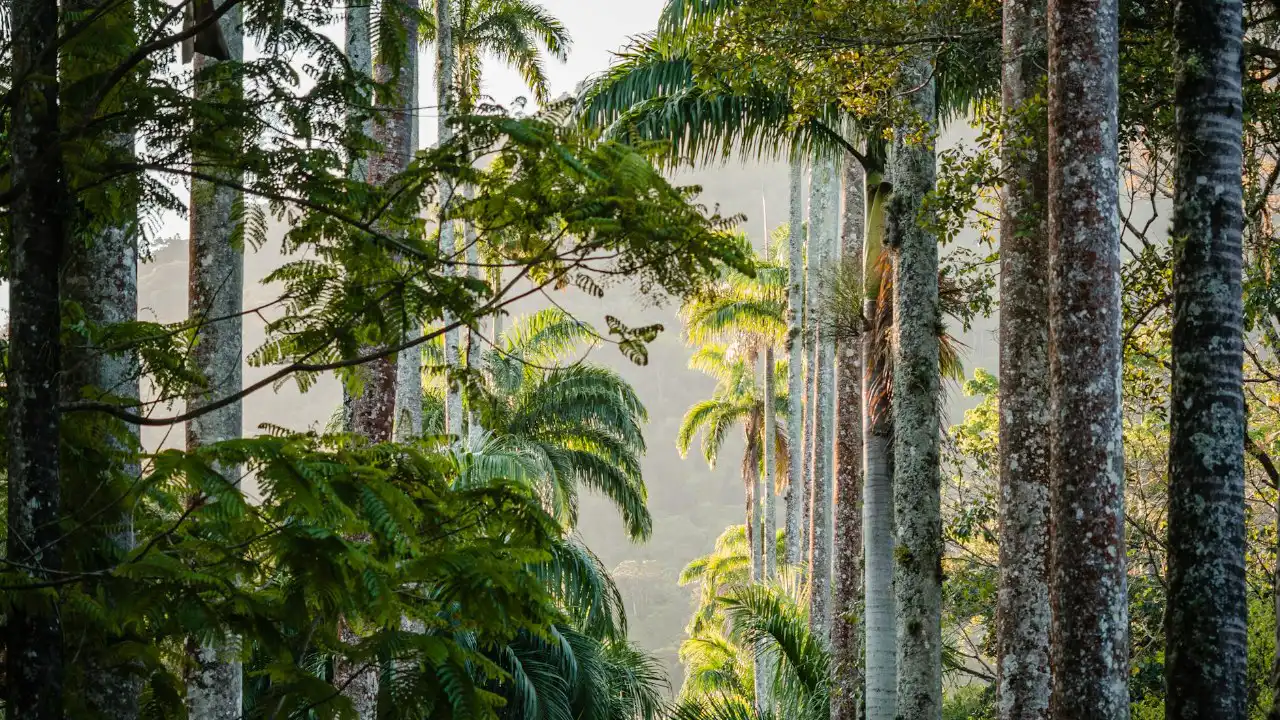
Karnataka’s forest cover stands at approximately 21 percent of the state’s total geographical area, yet the quality of that cover tells a more complex story. Across the state, from the Western Ghats to the Deccan Plateau, plantation drives frequently prioritize speed and numbers over ecological compatibility. This approach overlooks a fundamental principle: native tree species carry genetic adaptations refined over millennia to thrive in Karnataka’s specific soil types, rainfall patterns, and microclimates.
Table of Contents
Ecological Foundations of Native Species Superiority
Native trees have co-evolved with Karnataka’s fauna, creating intricate relationships that sustain biodiversity. Species like Tamarind (Tamarindus indica), Neem (Azadirachta indica), and Indian Rosewood (Dalbergia latifolia) support specific insects, birds, and soil microorganisms found nowhere else. When non-native species dominate plantations, these relationships collapse. The Silver Oak (Grevillea robusta) and Eucalyptus, though fast-growing, offer minimal habitat value to native wildlife and often deplete groundwater reserves that communities depend upon.

Soil chemistry provides another critical distinction. Karnataka’s laterite soils in coastal regions and red soils in the interior require trees whose root systems and leaf litter maintain pH balance and nutrient cycling. [CITE: native tree species soil health Karnataka agricultural university study] demonstrate that native species like Jackfruit (Artocarpus heterophyllus) and Pongamia (Millettia pinnata) enhance soil nitrogen levels through specific bacterial symbiosis, whereas monoculture plantations often acidify or deplete soil over time.
Water Security and Root System Architecture
The 2023 drought across northern Karnataka districts highlighted the consequences of inappropriate tree selection. Eucalyptus plantations, introduced decades ago for pulpwood production, consume between 200 and 300 liters of water daily per mature tree. In contrast, native species like Banyan (Ficus benghalensis) and Peepal (Ficus religiosa) develop deep taproots that access groundwater without depleting shallow aquifers used for agriculture and drinking water.
Root architecture determines how trees interact with monsoon rainfall. Native species have adapted to Karnataka’s bimodal rainfall pattern, with systems that capture and slowly release water into the soil profile. This creates natural groundwater recharge zones. Random plantation species, selected for timber value or growth speed, frequently have shallow, aggressive root systems that cause surface runoff and erosion during heavy rains.
| Tree Category | Water Consumption (liters/day) | Soil Compatibility | Wildlife Support |
|---|---|---|---|
| Native Hardwoods (Teak, Rosewood) | 80 to 120 | High across soil types | Supports 40+ species |
| Native Fruit Trees (Mango, Jackfruit) | 100 to 150 | Enriches laterite soils | Critical for pollinators |
| Eucalyptus Varieties | 200 to 300 | Acidifies over time | Minimal wildlife value |
| Silver Oak | 150 to 200 | Moderate adaptation | Limited to generalist birds |
Economic Returns Beyond Timber Value
While timber markets drive many plantation decisions, native species deliver diversified economic benefits. Tamarind trees generate annual income through fruit harvests for 70 to 100 years. Neem provides seeds for biopesticide production, leaves for traditional medicine, and timber as a secondary product. These multi-product trees create employment across value chains, from collection to processing, particularly benefiting rural communities in districts like Raichur, Kolar, and Hassan.
Carbon sequestration rates reveal another economic dimension. [CITE: carbon sequestration rates Indian tree species forest research institute] show that native mixed forests sequester 30 to 40 percent more carbon per hectare than monoculture plantations over 25-year periods. As carbon markets develop, landowners with native species portfolios gain access to climate finance mechanisms unavailable to those managing single-species stands.
Addressing Common Misconceptions in Plantation Planning
The perception that native species grow too slowly to meet reforestation targets ignores site-specific performance data. Melia dubia, native to parts of Karnataka, reaches harvestable size in seven to eight years under proper management. Indian Mahogany (Swietenia mahagoni) and Gamhar (Gmelina arborea) achieve comparable growth rates to exotic species when matched to appropriate microclimates.
Plantation survival rates tell the real story of success. Government data from Karnataka’s forest department indicates that native species plantations achieve 65 to 75 percent survival rates in their first three years, compared to 45 to 55 percent for randomly selected exotic species. This difference eliminates the supposed time advantage of faster-growing imports when accounting for replanting costs and labor.
Strategic Implementation for Maximum Impact
Effective native species programs require matching trees to elevation, rainfall zones, and land use objectives. Coastal Karnataka suits species like Areca Palm (Areca catechu) and Coconut (Cocos nucifera) integrated with forest edges. The Malnad region benefits from shade-tolerant species like Wild Cardamom (Elettaria cardamomum) under taller canopy trees. Dry northern districts need drought-adapted natives such as Acacia (Acacia nilotica) and Khejri (Prosopis cineraria).
Community engagement determines long-term plantation success more than any technical factor. When farmers and forest-adjacent communities understand the economic and ecological advantages of native species, they become active stewards rather than passive participants. Training programs in nursery management for indigenous species, seed collection protocols, and market linkages for non-timber forest products transform plantations from government obligations into community assets.
Karnataka’s biodiversity wealth, from the endemic Lion-tailed Macaque to migratory bird populations, depends on maintaining and expanding native forest ecosystems. Every planting decision shapes the landscape for decades. Choosing species based on their evolutionary fitness to local conditions rather than administrative convenience or short-term economic projections represents not idealism but ecological pragmatism with measurable returns across environmental, social, and economic dimensions.