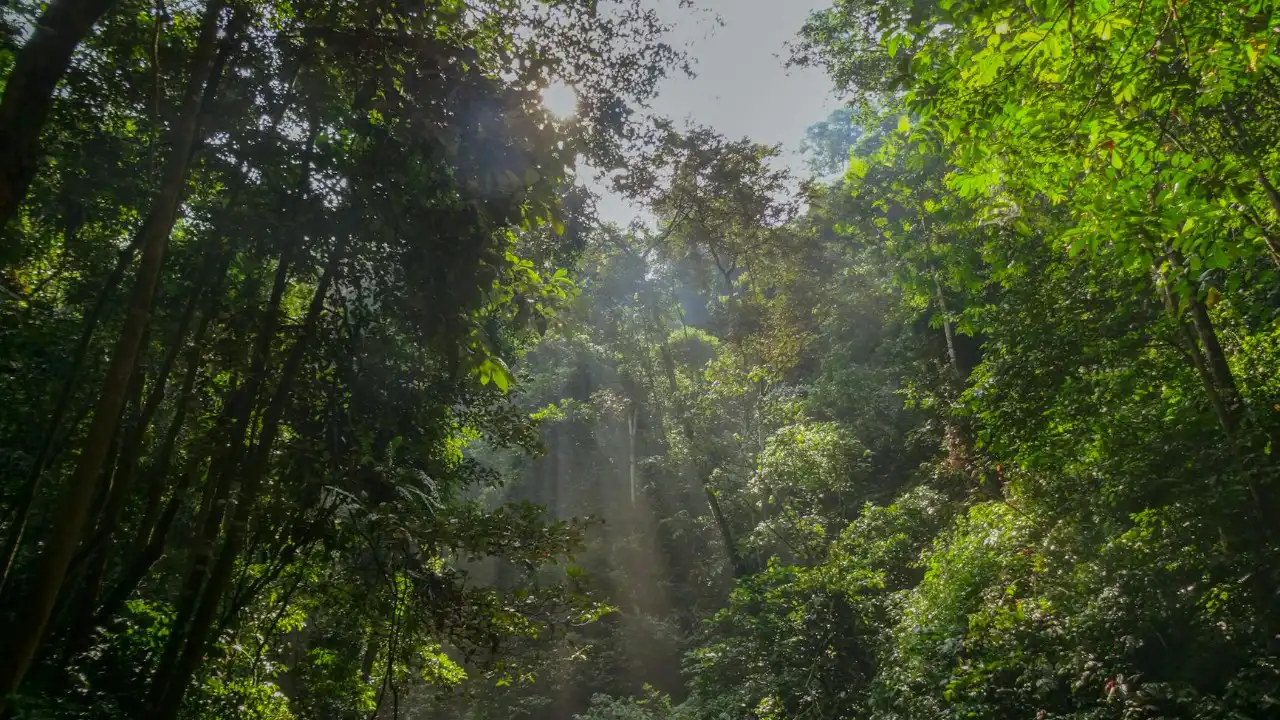
Karnataka harbors over 30% of India’s elephant population and more than 4,000 flowering plant species across its Western Ghats forests, showcasing biodiversity’s direct role in maintaining ecological stability. When species populations fluctuate or disappear, the intricate web of interactions that keeps ecosystems functional begins to unravel, affecting everything from pollination cycles to soil nutrient retention.
Table of Contents
Ecosystem Services That Depend on Species Diversity
Biodiversity fuels the ecosystem services that sustain human populations and economic activity. In Karnataka’s agricultural regions, native bee species and other pollinators contribute to crop yields worth billions of rupees annually. Without this pollination network, farmers would face dramatic productivity losses in coffee plantations across Chikmagalur and Coorg, as well as reduced fruit harvests in mango and coconut orchards statewide.

Forest ecosystems in the state demonstrate how species diversity regulates water cycles. The Sharavathi River basin, flowing through dense forest cover in Shimoga district, relies on plant communities that stabilize soil and control water release patterns. When tree species diversity declines, watersheds lose their capacity to absorb monsoon rainfall effectively, leading to increased flooding during wet seasons and severe water shortages during dry months.
Soil health depends equally on biodiversity below ground. Microbial communities, earthworms, and decomposer organisms break down organic matter and cycle nutrients that plants require. Research from legume-based crop rotation sustain soil indicates that farms maintaining higher soil organism diversity achieve better yields with reduced chemical fertilizer dependency, particularly relevant for Karnataka’s transition toward sustainable agriculture.
Climate Regulation Through Biodiverse Ecosystems
Carbon sequestration capacity increases substantially in ecosystems with greater species variety. Karnataka’s forests store approximately 1,046 million tonnes of carbon, with old-growth forests in regions like Dandeli and Nagarhole demonstrating superior carbon retention compared to monoculture plantations. Different tree species capture and store carbon at varying rates and depths, creating redundancy that ensures carbon remains locked away even when individual species face stress from changing conditions.

Coastal and wetland ecosystems around Mangalore and Karwar provide additional climate buffering. Mangrove forests, seagrass beds, and salt marshes not only sequester carbon but also protect shorelines from storm surges and erosion. The loss of even a few keystone species in these environments can trigger cascading effects that reduce the entire system’s resilience to cyclones and sea-level changes.
| Ecosystem Type | Primary Climate Function | Karnataka Example |
|---|---|---|
| Tropical Rainforest | Carbon storage, rainfall regulation | Western Ghats reserves |
| Wetlands | Methane cycling, flood control | Ranganathittu, Magadi Bird Sanctuary |
| Grasslands | Soil carbon retention, fire regulation | Bhadra Wildlife Sanctuary grasslands |
| Coastal Mangroves | Blue carbon sequestration, storm protection | Kundapur mangrove patches |
Economic Stability Rooted in Ecological Balance
Karnataka’s economy draws directly from biodiversity-dependent sectors. Tourism revenue from wildlife sanctuaries and national parks like Bandipur and Kabini generates substantial income for local communities while creating employment for guides, hospitality workers, and conservation staff. When tiger populations declined in the 1970s, visitor numbers dropped correspondingly, demonstrating the economic consequences of biodiversity loss.
The pharmaceutical and traditional medicine industries rely on genetic diversity within plant species. Karnataka’s forests contain numerous endemic plants used in Ayurvedic formulations and modern drug development. According to medicinal plant diversity Western Ghats, over 800 plant species with therapeutic properties grow in the state, many of which remain unstudied for their full pharmacological potential. Losing these species before researchers can document their properties eliminates future medical breakthroughs.

Agricultural resilience depends on maintaining genetic diversity in crop wild relatives. When diseases or pests threaten cultivated varieties, scientists turn to wild populations for resistant genes. The wild relatives of rice, millet, and pulses found in Karnataka provide genetic insurance against future agricultural challenges, making their conservation a practical economic necessity rather than merely an ethical consideration.
Food Web Stability and Pest Regulation
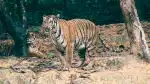
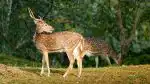
Predator-prey relationships maintain population balance without human intervention. In Karnataka’s forests, the presence of apex predators like tigers and leopards keeps herbivore populations in check, preventing overgrazing that would degrade vegetation. When large carnivores disappear, deer and wild boar populations explode, leading to crop raids and forest degradation that affects both ecology and farmer livelihoods.
Natural pest control services provided by birds, bats, and insects save agricultural operations significant costs. Insectivorous bird species in coffee estates consume pest larvae that would otherwise require chemical pesticides to manage. Bat colonies in the state consume tons of insects nightly, reducing crop damage and disease transmission to human populations.
Building Resilience Against Environmental Change
Ecosystems with higher biodiversity recover more quickly from disturbances. Following the 2018 floods that affected Kodagu district, forests with diverse tree communities stabilized slopes and prevented landslides more effectively than monoculture plantations. This resilience stems from functional redundancy, where multiple species perform similar ecological roles, ensuring that system functions continue even when individual species suffer losses.
Genetic diversity within species populations provides the raw material for adaptation to changing conditions. As temperatures shift and rainfall patterns become less predictable, populations with greater genetic variation possess individuals better suited to new conditions, allowing species to persist and maintain their ecological functions. Protecting this variation requires conserving not just species counts but also the geographic range and population connectivity that preserve genetic diversity.
For Karnataka residents, job seekers in conservation sectors, and environmental activists, understanding these connections transforms biodiversity from an abstract concept into a tangible foundation for regional stability. Protecting ecological balance through species conservation directly supports the water security, agricultural productivity, and climate resilience that Karnataka’s future depends upon.