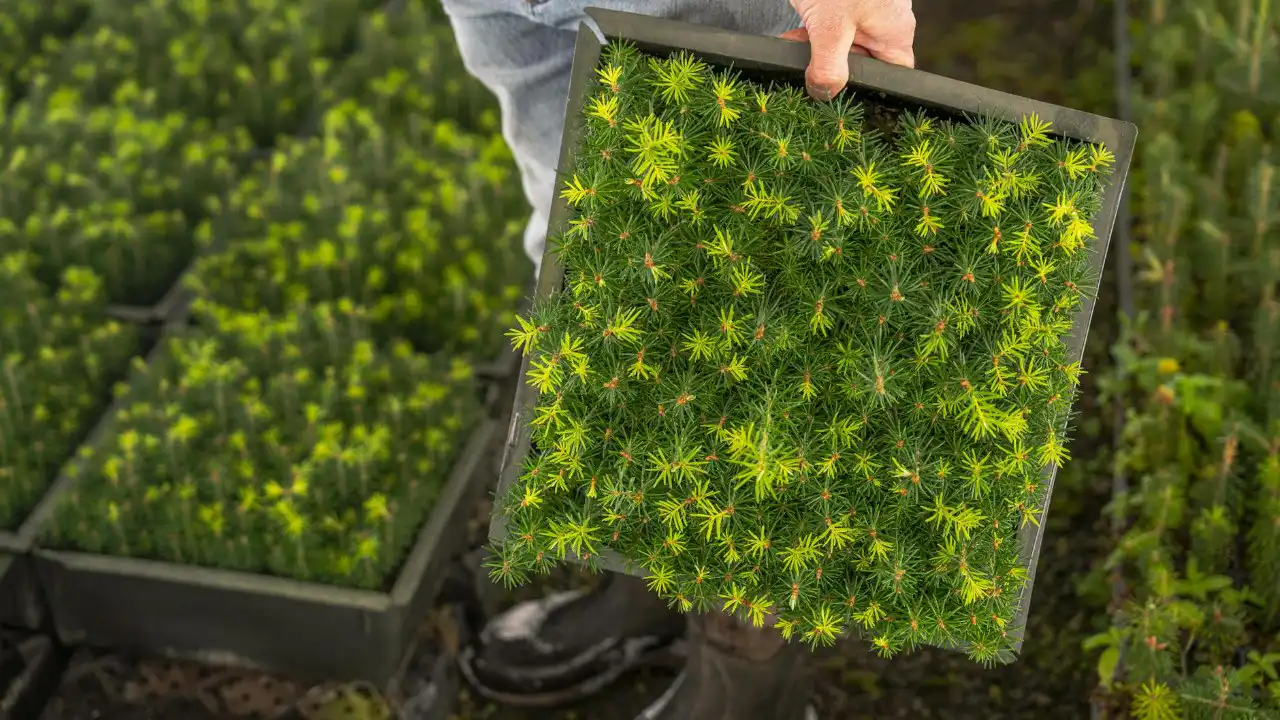
Afforestation refers to the deliberate establishment of forests on land that has not been forested for at least 50 years, or in some definitions, has never supported tree cover. In Karnataka, where forest cover spans approximately 21% of the state’s geographical area, afforestation initiatives play a crucial role in reversing decades of land degradation and supporting the region’s ecological balance. This practice differs fundamentally from reforestation, which restores forests on recently deforested land, making afforestation a longer-term commitment to landscape transformation.
Table of Contents
How Afforestation Works in Practice
The afforestation process begins with detailed site assessment, examining soil composition, rainfall patterns, and existing vegetation. In Karnataka’s diverse geography—from Western Ghats rainforests to Deccan Plateau scrublands—species selection must align with local climate zones. Native species like sandalwood, teak, and jackfruit trees typically form the foundation of successful programs, though the specific mix varies by district.
Implementation follows a structured sequence: land preparation, seedling cultivation in nurseries, transplantation during monsoon months, and multi-year maintenance. The Karnataka Forest Department coordinates large-scale projects, while community-based efforts often focus on degraded common lands. Success rates depend heavily on consistent watering during the first two to three years and protection from grazing animals, which remains a persistent challenge in rural areas.
Environmental Benefits That Extend Beyond Tree Cover
Afforestation delivers measurable environmental improvements that accumulate over decades. Newly established forests act as carbon sinks, with mature trees absorbing between 10 and 40 kilograms of carbon dioxide annually depending on species and growing conditions. According to [CITE: India State of Forest Report carbon sequestration data], Karnataka’s forests store substantial carbon stocks, making expansion efforts vital for climate mitigation.
Soil quality improves markedly as leaf litter decomposes and root systems stabilize topsoil. This process reduces erosion rates by up to 75% on sloped terrain, a significant factor in Karnataka’s hilly regions. Water retention capacity increases as forest canopies slow rainfall impact and organic matter builds soil porosity. Districts like Kodagu and Chikkamagaluru demonstrate how afforestation projects protect watershed areas that supply drinking water to millions downstream.
Biodiversity recovery follows forest establishment, though timelines vary. Birds and small mammals colonize new forests within five to seven years, while larger species may take 15 to 20 years to establish stable populations. The Western Ghats biodiversity hotspot benefits particularly from corridor afforestation linking fragmented habitats.
Economic and Social Dimensions for Karnataka Communities
Afforestation creates direct employment in nursery operations, planting activities, and ongoing forest management. Rural Karnataka communities gain access to non-timber forest products including fruits, medicinal plants, and fodder once forests mature. Joint Forest Management committees allow local participation in decision-making and benefit-sharing arrangements.
Agroforestry models integrate tree cultivation with agricultural crops, offering farmers diversified income streams. Coffee and spice plantations in southern Karnataka already demonstrate this approach, where shade trees support both crop quality and ecosystem health. The economic value extends to tourism, with forested areas around Bandipur and Nagarhole attracting visitors and generating revenue for nearby villages.

Urban afforestation addresses air quality concerns in cities like Bengaluru, where industrial activity and vehicle emissions strain respiratory health. Tree belts along highways and planted parks provide cooling effects that reduce urban heat island intensity by two to four degrees Celsius during summer months.
Critical Challenges Facing Afforestation Programs
Land availability represents the primary obstacle. Competing demands from agriculture, infrastructure development, and settlement expansion limit spaces suitable for afforestation. Degraded lands often require intensive soil amendments before supporting tree growth, increasing implementation costs substantially.
Water scarcity poses difficulties in Karnataka’s northern districts, where annual rainfall drops below 600 millimeters. Young plantations demand supplementary irrigation during dry months, straining resources in water-stressed regions. Climate variability introduces unpredictability—delayed monsoons or extended droughts can devastate newly planted areas before root systems establish adequate depth.
Monoculture plantations, while easier to manage, provide limited ecological value compared to mixed-species forests. According to [CITE: ecological impact monoculture versus mixed forest plantations research], biodiversity metrics remain significantly lower in single-species stands. Balancing commercial timber interests with ecological objectives requires careful planning and long-term commitment.
Pathways for Individuals and Organizations to Contribute
Karnataka residents can engage through multiple channels. Volunteer with organizations conducting plantation drives, particularly during monsoon season when planting success rates peak. The state’s Van Mahotsava campaigns welcome public participation in urban and rural settings alike.
Job seekers find opportunities in forest survey work, nursery management, and conservation project coordination. Government agencies, NGOs, and private companies increasingly recruit for roles requiring ecological knowledge and community engagement skills. Environmental activists amplify impact by advocating for policy improvements, monitoring implementation quality, and ensuring transparency in fund allocation.
Corporate social responsibility initiatives offer another avenue. Companies operating in Karnataka increasingly invest in compensatory afforestation and voluntary carbon offset programs. These partnerships provide funding and technical expertise that complement government efforts.
Understanding afforestation as both ecological restoration and community development clarifies its importance for Karnataka’s sustainable future. The practice addresses climate change, supports livelihoods, and rebuilds natural systems that industrial growth has diminished. Whether through direct participation or informed advocacy, recognizing afforestation’s multifaceted value positions residents to support initiatives that will shape the state’s landscape for generations ahead.