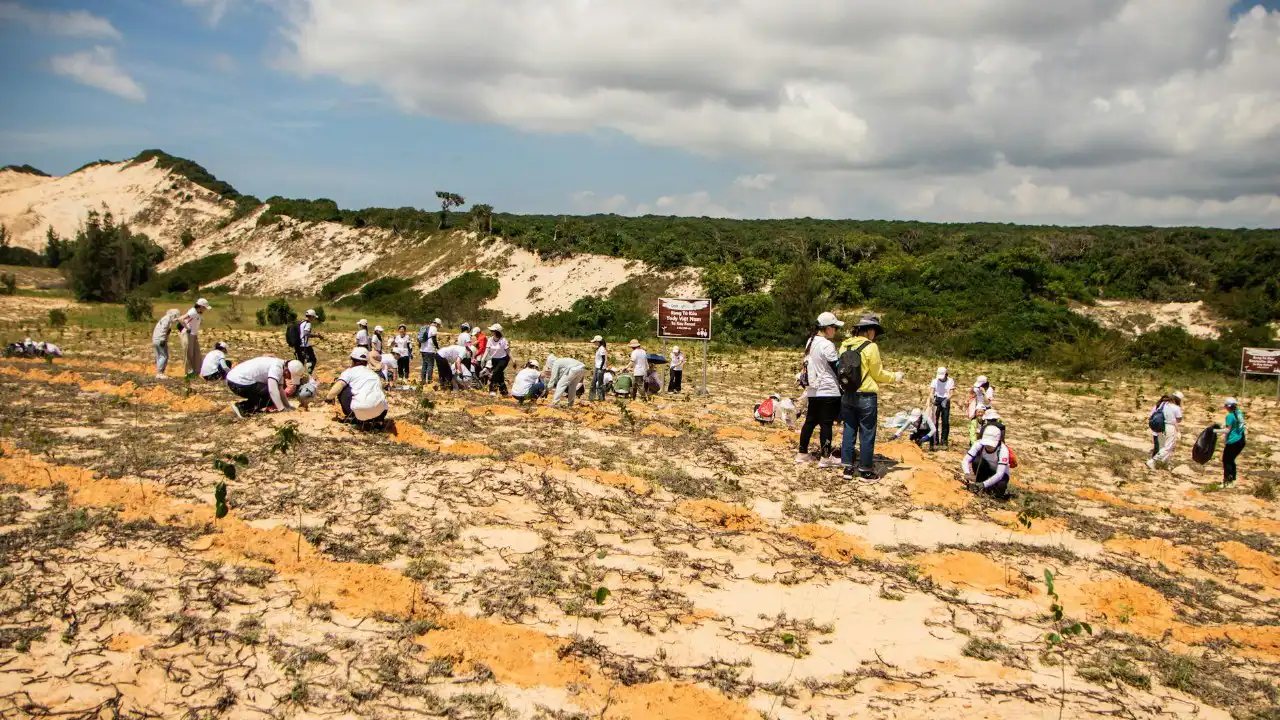
Karnataka’s landscape transformation over recent decades owes much to social forestry initiatives that have turned degraded lands into productive green cover. This approach invites communities, farmers, and institutions to participate directly in afforestation outside traditional forest boundaries, creating economic and environmental benefits simultaneously. Unlike conventional forestry managed exclusively by forest departments, social forestry distributes responsibility across society, making tree cultivation a shared mission rather than a centralized mandate.
Table of Contents
Understanding Social Forestry’s Core Framework
Social forestry encompasses tree planting on public and private lands, focusing on areas like roadsides, canal banks, village commons, farmland boundaries, and institutional campuses. The concept emerged during the 1970s when India recognized that restrictive forestry policies were failing to meet timber demand or prevent environmental degradation. Karnataka adopted this model enthusiastically, integrating it with agricultural extension programs and rural development schemes.
The framework operates through three primary components. Farm forestry encourages individual landowners to cultivate trees alongside crops or on marginal lands. Extension forestry targets linear spaces such as highways and railway tracks, transforming them into green corridors. Community forestry mobilizes village panchayats and local groups to restore common lands that had become barren through overgrazing or neglect.
Species selection emphasizes fast-growing varieties that serve multiple purposes. Eucalyptus, Casuarina, Acacia, and Melia dubia provide timber and fuelwood within seven to ten years. Fruit-bearing species like Mango, Tamarind, and Jackfruit offer nutritional security. Bamboo cultivation supports cottage industries while improving soil structure. Karnataka’s diverse agro-climatic zones allow tailored species choices [CITE: Karnataka social forestry species selection guidelines], matching tree varieties to rainfall patterns and soil types across coastal, malnad, and northern districts.
Economic Returns for Participants
Farmers participating in social forestry programs access revenue streams that complement agricultural income. A single hectare of Eucalyptus plantation yields 40 to 60 tons of wood after seven years, generating returns between ₹3 lakh and ₹5 lakh depending on market conditions. Agroforestry models, where trees grow alongside crops, provide annual income from agriculture while building long-term timber assets. This financial structure proves particularly valuable during crop failures or price crashes.
Fuelwood availability reduces household expenditure in rural Karnataka, where cooking energy costs can consume 15 to 20 percent of monthly budgets. Women previously spending hours collecting firewood from distant locations now harvest sustainably from community woodlots or farm boundaries. The time savings translate into educational opportunities for children and income-generating activities for adults.
Employment generation extends beyond direct participants. Nursery operations, plantation maintenance, harvesting, and timber processing create wage labor opportunities. Small-scale industries using bamboo, tamarind, and neem products establish supply chains rooted in social forestry outputs. Karnataka’s furniture clusters in Bangalore Rural and Tumakuru districts source significant raw material from farm forestry rather than natural forests.
Environmental and Ecological Contributions
Soil conservation represents one of social forestry’s most measurable impacts. Tree roots bind soil particles, reducing erosion rates on sloping farmlands by 60 to 80 percent compared to bare fields. Leaf litter accumulation increases organic matter content, improving water retention and nutrient cycling. Districts like Raichur and Kalaburagi, prone to wind erosion, have stabilized agricultural productivity through strategic shelterbelt plantations.
Groundwater recharge improves as tree canopies slow rainfall, allowing percolation rather than surface runoff. Studies in Karnataka’s semi-arid regions show farm forestry plots maintaining soil moisture 20 to 30 percent longer than treeless fields [CITE: groundwater impact farm forestry Karnataka agricultural university]. This moisture retention extends cropping seasons and supports vegetable cultivation during dry months.
Biodiversity revival occurs gradually as planted areas mature. Birds, insects, and small mammals colonize social forestry sites, creating micro-ecosystems that support pollination and pest control in adjacent agricultural lands. Native species integrated into plantations preserve genetic diversity while meeting economic objectives. The connectivity between farm forests and natural reserves facilitates wildlife movement, reducing human-animal conflicts that escalate when habitats fragment completely.
Government Programs and Institutional Support
Karnataka’s Forest Department administers social forestry through dedicated divisions in each district. The department supplies seedlings at subsidized rates, sometimes free for marginalized farmers, through an extensive nursery network producing 50 million seedlings annually. Technical guidance on spacing, pit preparation, and maintenance reaches farmers through krishi vigyan kendras and forestry extension officers.
Financial incentives under schemes like MGNREGA fund plantation labor costs, making participation economically viable even for smallholders. The National Agroforestry Policy provides framework support, though implementation specifics vary by state. Karnataka has introduced innovative models like timber cooperatives that pool harvest volumes from multiple farmers, securing better prices through collective bargaining.
| Program Component | Target Beneficiary | Primary Benefit |
|---|---|---|
| Free Seedling Distribution | Small and marginal farmers | Reduces initial investment barrier |
| Farm Forestry Extension | Landowners with 1+ hectare | Technical guidance and species selection |
| Community Woodlot Development | Village panchayats and groups | Shared fuelwood and fodder access |
| Agroforestry Subsidies | Progressive farmers | Integrated land use optimization |
Research institutions like the University of Agricultural Sciences in Bangalore and Dharwad conduct varietal trials, developing hybrids that mature faster and resist local pests. These institutions publish guidelines on optimal planting densities, intercropping patterns, and harvest timing, translating scientific findings into field-applicable knowledge.
Implementation Challenges and Future Pathways
Land tenure insecurity discourages long-term tree planting among tenant farmers who lack ownership rights. Market access difficulties frustrate participants when harvest time arrives but buyers offer exploitative prices. Bureaucratic delays in subsidy disbursement reduce program credibility, causing dropout rates in subsequent planting cycles.
Balancing ecological goals with economic pressures requires continuous calibration. Monoculture plantations, while financially attractive, fail to deliver biodiversity benefits and may deplete soil nutrients. Promoting mixed-species models demands patience, as economic returns arrive more gradually than with single-species blocks.
Karnataka’s future social forestry expansion must integrate carbon credit opportunities, allowing farmers to monetize sequestration services. Digital platforms connecting growers directly with timber buyers can eliminate middlemen, improving price realization. Strengthening women-led forestry groups ensures equitable benefit distribution and taps into community knowledge often overlooked in male-dominated extension systems. Scaling successes from districts like Hassan and Chikmagalur, where social forestry transformed landscapes over three decades, offers replicable models for regions just beginning afforestation journeys.