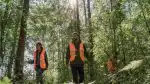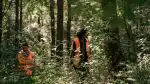
The Karnataka Forest Department recruits forest watchers annually to protect biodiversity across the state’s 38,720 square kilometers of forest cover. These frontline workers monitor wildlife movement in protected areas like Bandipur and Nagarhole, prevent illegal logging, and serve as the first responders during human-wildlife conflict incidents that affect rural communities bordering forest zones.
Table of Contents
Educational Qualifications and Age Requirements
Candidates must hold a Secondary School Leaving Certificate (SSLC) or equivalent 10th standard qualification from a recognized board. The minimum age stands at 18 years, while the upper age limit extends to 28 years for general category applicants. Reserved category candidates receive relaxation as per government norms — SC and ST candidates get five additional years, while OBC candidates receive three years.

Physical fitness forms a non-negotiable requirement. Male candidates must stand at least 168 centimeters tall with an 81-centimeter chest measurement (expandable to 86 centimeters). Female candidates require a minimum height of 158 centimeters. Endurance tests include walking 25 kilometers within four hours, a standard that reflects the demanding terrain forest watchers navigate in regions like the Western Ghats.
Selection Process and Competitive Examination
The recruitment follows a three-tier evaluation structure. Written examination carries 100 marks, testing general knowledge, basic mathematics, reasoning ability, and environmental awareness. Questions on Karnataka’s geography, forest ecosystems, and wildlife protection laws appear consistently. According to [CITE: Karnataka Forest Department recruitment statistics 2023], the examination typically sees application-to-selection ratios exceeding 50:1 in competitive years.
Physical efficiency tests measure stamina through timed walks and basic fitness assessments. Medical examination verifies vision standards (6/6 in one eye, 6/9 in the other without correction), hearing capability, and absence of conditions that impair mobility. Candidates with flat feet, knock knees, or color blindness face disqualification.
| Qualification Stage | Assessment Type | Passing Requirement |
|---|---|---|
| Written Exam | 100 multiple-choice questions | 40 marks (general), 35 marks (reserved) |
| Physical Test | 25 km walk, chest measurement | Complete within 4 hours, meet standards |
| Medical Exam | Vision, hearing, general fitness | No disqualifying conditions |
Core Responsibilities in Forest Protection

Forest watchers patrol designated beats spanning 10 to 15 square kilometers, documenting wildlife sightings and identifying signs of illegal activity. They maintain field diaries recording animal movement patterns, flowering cycles of economically important species, and water source conditions during summer months. In Karnataka’s elephant corridors between Mysuru and Chamarajanagar districts, watchers play crucial roles in early warning systems that alert villages to approaching herds.
Fire prevention occupies significant operational time, particularly during March through May when dry deciduous forests face peak vulnerability. Watchers create and maintain firebreaks, monitor for smoke, and coordinate with rapid response teams. They assist in anti-poaching operations by reporting trap lines, documenting evidence, and supporting range officers during enforcement actions.
Salary Structure and Career Advancement
Entry-level forest watchers receive monthly salaries in the pay matrix Level 2, currently ranging from ₹19,900 to ₹63,200 with annual increments. Grade pay, dearness allowance, and house rent allowance supplement base salary. Postings in remote forest ranges carry additional hardship allowances. After five years of service, watchers become eligible for promotion to forest guard positions through departmental examinations.

Career progression follows a structured hierarchy. Forest guards supervise three to five watchers, while range forest officers manage territorial divisions. High-performing watchers who acquire additional qualifications in wildlife management or forest ecology through distance education programs enhance promotion prospects. According to [CITE: Indian Forest Service career progression data], departmental candidates account for approximately 30 percent of range officer positions.
Work Environment and Operational Challenges
Duty stations range from well-established forest rest houses to remote camps accessible only by foot. Watchers work rotational shifts including night patrols, weekend duties, and extended deployments during census operations or wildlife surveys. Mobile connectivity remains limited in core forest areas, requiring self-reliance and decision-making capability during emergencies.
The role demands comfort with solitude, physical resilience against leeches and insects, and ability to navigate unmarked trails. Encounters with elephants, leopards, and sloth bears require presence of mind and adherence to safety protocols. Watchers receive training in wildlife behavior, first aid, and GPS-based monitoring systems that modernize traditional tracking methods.
Seasonal variation intensifies workload, with monsoon months requiring infrastructure maintenance and dry seasons focused on fire suppression readiness. Community engagement responsibilities include educating villagers about conservation programs, mediating crop damage compensation claims, and supporting eco-tourism initiatives that generate alternative livelihoods in buffer zones. Those committed to environmental stewardship find the position offers direct contribution to preserving Karnataka’s ecological heritage while building stable government careers with pension benefits and job security.