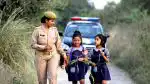
The Karnataka Forest Department recruits forest watchers through a structured selection process designed to identify candidates with the physical stamina, subject knowledge, and commitment required for forest conservation work. Understanding the syllabus and selection stages helps applicants in Karnataka prepare strategically for this essential government position that safeguards the state’s diverse forest ecosystems.
Table of Contents
Eligibility and Application Framework
Candidates must hold a minimum educational qualification of SSLC (10th standard) from a recognized board to apply for forest watcher positions in Karnataka. Age limits typically range from 18 to 25 years for general category applicants, with relaxations available for reserved categories as per government norms. Physical standards include a minimum height of 168 cm for male candidates and 157 cm for female candidates, reflecting the demanding nature of fieldwork in forested terrain across Karnataka’s Western Ghats and other protected areas.
The application process opens through notifications published by the Karnataka Forest Department, usually announced through the official department website and major employment news portals. Candidates submit applications online along with required documents including educational certificates, caste certificates where applicable, and recent photographs. Application fees vary by category, with exemptions provided for SC/ST/Category I candidates as mandated by Karnataka state reservation policies.
Written Examination Syllabus
The written test comprises multiple-choice questions covering four primary subject areas. General Knowledge forms a substantial portion, testing awareness of current affairs, Indian geography with emphasis on Karnataka’s physical features, basic Indian history, and the Indian Constitution. Questions frequently reference Karnataka-specific topics including state geography, major rivers like the Cauvery and Krishna, wildlife sanctuaries such as Bandipur and Nagarhole, and administrative divisions.
Mathematics questions assess fundamental arithmetic skills including percentages, ratios, averages, time and distance calculations, and basic geometry. The difficulty level remains at the SSLC standard, focusing on practical problem-solving rather than advanced concepts. Kannada language proficiency receives dedicated testing through comprehension passages, grammar questions, and vocabulary assessments, ensuring candidates can communicate effectively in the state’s official language during field duties.

Environmental science and forestry basics constitute the specialized portion of the syllabus. Topics include forest ecology, biodiversity conservation principles, common tree species found in Karnataka forests, wildlife protection laws, and fundamental concepts of sustainable forest management. According to Karnataka Forest Department official recruitment guidelines, this section evaluates whether candidates possess the foundational knowledge necessary for forest protection responsibilities.
| Subject Area | Approximate Weightage | Key Topics |
|---|---|---|
| General Knowledge | 30-35% | Current affairs, Karnataka geography, Indian polity |
| Mathematics | 25-30% | Arithmetic, percentages, basic geometry |
| Kannada Language | 20-25% | Grammar, comprehension, vocabulary |
| Environmental Science | 20-25% | Forest ecology, wildlife laws, conservation |
Physical Efficiency Test Standards
Candidates clearing the written examination proceed to the Physical Efficiency Test, a crucial stage that eliminates a significant percentage of applicants. The test typically includes a timed race covering 10 kilometers for male candidates and five kilometers for female candidates, with qualifying time limits strictly enforced. This endurance component simulates the long-distance walking required during forest patrol duties in Karnataka’s varied terrain.
Additional physical tasks may include high jump, long jump, and shot put events, each with minimum qualifying standards. Medical fitness certificates become mandatory at this stage, with chest measurements and overall health assessments conducted by authorized medical boards. The physical standards ensure selected candidates can handle emergency situations, navigate difficult forest paths, and maintain alertness during extended field assignments in remote forest divisions across Karnataka.
Document Verification and Final Selection

Candidates successful in both written and physical tests undergo thorough document verification. Officials scrutinize original educational certificates, caste certificates, domicile proof establishing Karnataka residency, and transfer certificates. Any discrepancy between submitted application details and original documents results in immediate disqualification, making accuracy during the application phase critical.
The final merit list combines written examination scores and physical test performance according to weightage specified in the recruitment notification. Reserved category candidates must meet their respective qualifying criteria, with separate merit lists prepared for SC, ST, OBC, and other categories as per Karnataka state reservation policy guidelines. The department publishes provisional selection lists allowing candidates to raise objections before final appointment orders are issued.
Training and Probation Period
Newly appointed forest watchers undergo comprehensive training at designated forest training schools in Karnataka. The curriculum includes practical forestry skills such as tree identification, wildlife tracking techniques, fire prevention protocols, and community engagement methods. Trainees learn to use GPS devices for boundary marking, maintain field journals, and apply first aid in remote locations.
A probation period of two years follows initial training, during which performance is continuously evaluated by supervising forest range officers. Probationers are assigned to specific forest beats where they assist in anti-poaching patrols, conduct wildlife census operations, and support afforestation programs. Successful completion of probation leads to confirmation in service, opening pathways for career advancement within the Karnataka Forest Department hierarchy through departmental examinations and seniority-based promotions.
Preparation for the forest watcher position requires balanced attention to academic subjects, physical conditioning, and practical knowledge of Karnataka’s forest ecosystems. Candidates who invest time in understanding local environmental challenges and maintain consistent fitness training significantly improve their selection prospects for this vital conservation role.