Karnataka’s expanding environmental protection initiatives have created substantial employment opportunities for graduates specializing in forestry and environmental science. The state government, recognizing the critical need for skilled professionals to manage its 38,720 square kilometers of forest cover, regularly recruits specialists through the Karnataka Public Service Commission and various departmental examinations. These positions offer stable careers while contributing directly to biodiversity conservation and sustainable resource management across the Western Ghats and other ecologically sensitive zones.
Table of Contents
Primary Recruitment Bodies and Examination Pathways
The Karnataka Forest Department serves as the largest employer for forestry graduates, conducting annual recruitments for positions ranging from Forest Range Officers to Deputy Conservators of Forests. Karnataka Forest Department recruitment portal stipulates that candidates hold degrees in forestry, environmental science, or related disciplines from recognized universities. The Karnataka State Pollution Control Board similarly absorbs environmental science graduates as Environmental Officers and Scientific Assistants, focusing on industrial compliance monitoring and air quality assessment.

Aspirants must navigate competitive examinations administered by the Karnataka Public Service Commission. The typical selection process includes a preliminary objective test covering general knowledge, environmental legislation, and technical forestry concepts, followed by a mains examination with descriptive answers. Shortlisted candidates face personality assessments and field practical evaluations testing their ability to identify tree species, assess forest health, and apply conservation protocols under actual working conditions.
Position Categories and Specialized Roles
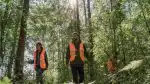
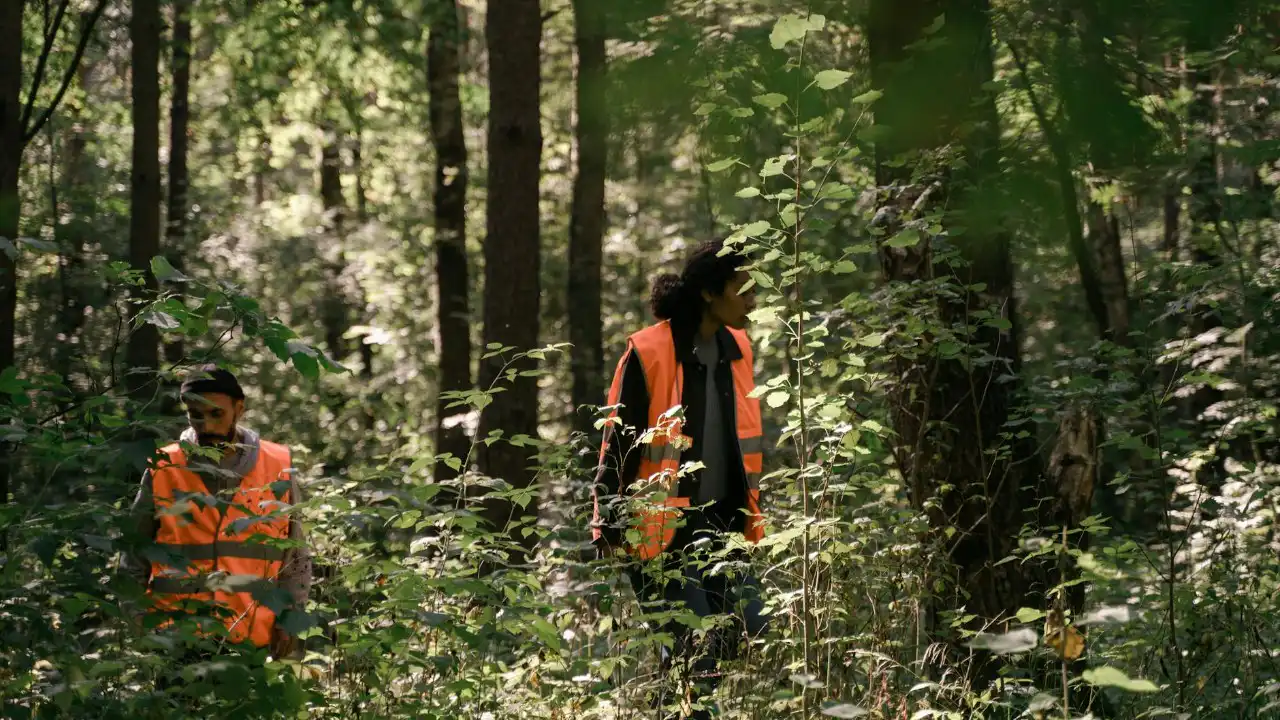
Entry-level positions such as Forest Guard and Range Forest Officer form the foundation of Karnataka’s environmental workforce. These roles involve daily patrolling of designated forest beats, preventing encroachment, managing human-wildlife conflict incidents, and coordinating with tribal communities living within forest peripheries. Officers stationed in districts like Chikkamagaluru and Kodagu work extensively on coffee plantation interface zones where ecological balance requires constant monitoring.
Mid-career professionals transition into specialized domains including wildlife conservation, where positions like Wildlife Biologist and Eco-tourism Manager support sanctuaries such as Bandipur and Nagarhole National Parks. The Karnataka Biodiversity Board recruits environmental scientists for documentation projects cataloging endemic species and developing conservation action plans for threatened ecosystems. Urban forestry positions within municipal corporations focus on tree census activities, green belt development, and mitigating air pollution through strategic afforestation in Bengaluru and other growing cities.
| Position | Educational Qualification | Typical Salary Range (Annual) | Key Responsibilities |
|---|---|---|---|
| Forest Range Officer | B.Sc. Forestry | ₹4.2 to ₹6.8 lakh | Beat management, anti-poaching operations, community liaison |
| Environmental Officer | M.Sc. Environmental Science | ₹5.5 to ₹8.2 lakh | Pollution monitoring, EIA clearance reviews, compliance audits |
| Deputy Conservator of Forests | B.Sc. Forestry + competitive exam | ₹7.8 to ₹12.5 lakh | Divisional administration, policy implementation, budget allocation |
| Scientific Assistant (KSPCB) | B.Sc./M.Sc. Environmental Science | ₹3.8 to ₹5.5 lakh | Sample collection, laboratory analysis, report preparation |
Preparation Strategy and Essential Skill Development
Successful candidates demonstrate proficiency in environmental legislation including the Forest Conservation Act, Wildlife Protection Act, and Karnataka-specific regulations governing eco-sensitive zones. KPSC forestry examination official website reveals consistent emphasis on Western Ghats ecology, endemic species identification, and contemporary issues like climate change adaptation strategies. Aspirants benefit from field internships with organizations such as the Karnataka Forest Research Institute in Ponnampet, gaining practical exposure to soil conservation techniques and participatory forest management models.
Technical competencies increasingly include GIS applications for forest mapping, remote sensing for land use change detection, and statistical software for biodiversity assessment. The Department of Forest and Wildlife Sciences at universities in Dharwad and Bengaluru offer specialized training modules that align with recruitment examination patterns. Language proficiency in Kannada proves essential, particularly for positions requiring direct interaction with rural communities and coordination with gram panchayats on joint forest management initiatives.
Career Progression and Long-Term Prospects
Government forestry careers in Karnataka follow structured promotion pathways based on seniority and departmental examinations. Range Officers advance to Assistant Conservator roles after five to seven years, subsequently qualifying for Deputy Conservator positions through limited departmental competitive exams. Senior administrators eventually reach Conservator and Principal Chief Conservator of Forests levels, influencing state-wide environmental policy and representing Karnataka in national forums on climate action and biodiversity strategy.

Beyond traditional forest department roles, environmental science graduates find opportunities in the Karnataka State Natural Disaster Monitoring Centre, where they model flood risk scenarios and assess landslide vulnerability in monsoon-affected regions. The burgeoning renewable energy sector within government undertakings seeks environmental impact assessment specialists to evaluate solar and wind farm proposals across northern Karnataka’s semi-arid landscapes. These expanding career trajectories reflect the state’s commitment to integrating environmental considerations across all development planning processes.
Application Process and Critical Timelines
The Karnataka Public Service Commission publishes annual recruitment calendars between February and April, with application windows typically spanning four weeks. Candidates register through the online portal, uploading educational certificates, caste certificates where applicable, and domicile proof establishing Karnataka residency. Application fees range from ₹200 for reserved category candidates to ₹500 for general category applicants, with economically weaker sections receiving fee waivers upon documentation submission.
Preliminary examinations usually occur three to four months after application closure, with results declared within six weeks. The mains examination follows approximately two months later, testing both theoretical knowledge and practical application through case study analysis. Final selection processes extend over eight to 12 months from initial notification, requiring sustained preparation and awareness of revised eligibility criteria or vacancy adjustments published as corrigenda.
Forestry and environmental science graduates entering Karnataka’s government sector join a workforce actively shaping the state’s ecological future. With climate change intensifying pressure on natural resources and urbanization fragmenting critical habitats, these positions offer more than employment security. They provide platforms for implementing science-based conservation strategies, restoring degraded ecosystems, and building institutional capacity to balance development aspirations with environmental sustainability across one of India’s most biodiverse states.