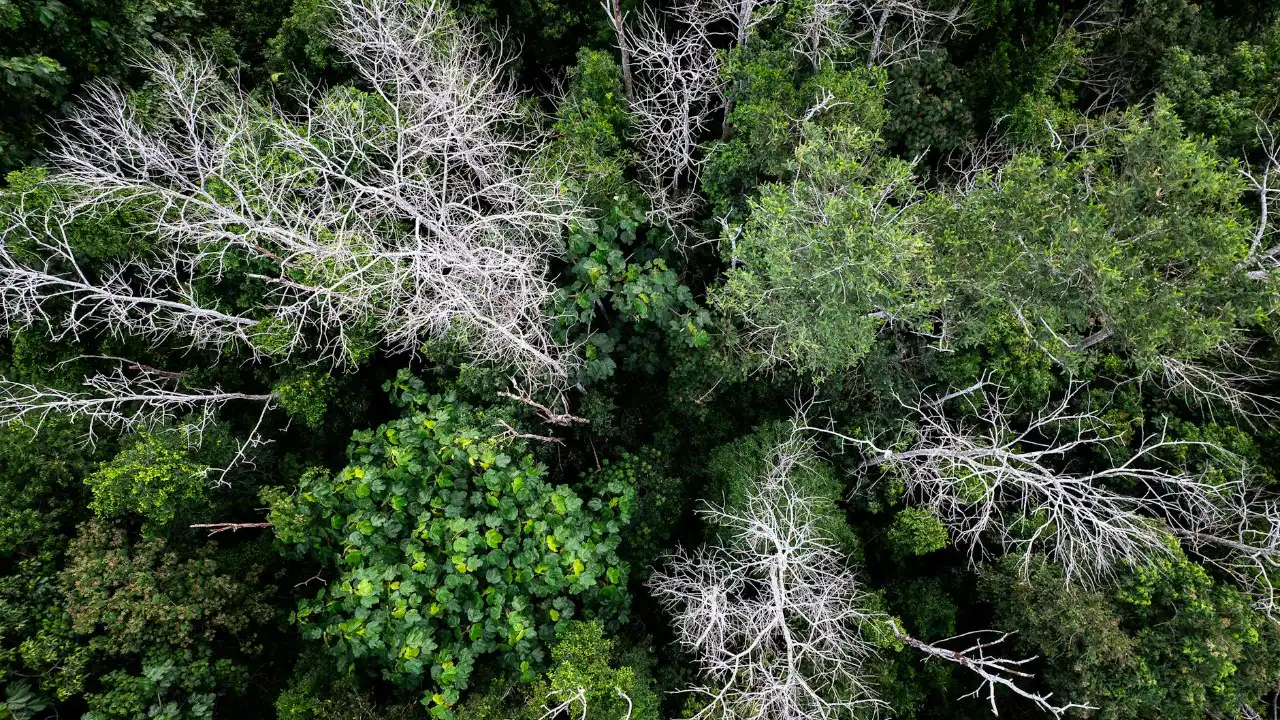
Across Karnataka’s 38,720 square kilometers of forest cover, a unique partnership between government agencies and rural communities has transformed how forests are managed and protected. Joint Forest Management represents a fundamental shift from top-down conservation to collaborative stewardship, where local communities gain both responsibility and tangible benefits from protecting the forests they live beside.
Table of Contents
The Evolution of Community-Based Forest Protection in Karnataka
Karnataka pioneered Joint Forest Management in India during the early 1990s, recognizing that centralized forest governance alone could not address degradation and encroachment. The state established its first Village Forest Committees in degraded forest areas, empowering residents to participate directly in regeneration efforts. This model acknowledged what foresters had long observed: communities dependent on forests have the strongest incentive to ensure their survival.
The Karnataka Forest Department formalized these arrangements through guidelines that define roles, revenue-sharing mechanisms, and decision-making processes. Village Forest Committees now operate across multiple forest divisions, with membership spanning households within a five-kilometer radius of designated forest areas. These committees manage everything from fire prevention to harvesting schedules, working alongside Range Forest Officers who provide technical guidance.
Unlike traditional conservation that excluded local populations, this framework treats communities as partners rather than threats. Members conduct regular patrols, report illegal activities, and participate in plantation drives. In return, they receive shares of timber revenue, access to non-timber forest products, and employment in afforestation projects.
How Village Forest Committees Function on the Ground
Each Village Forest Committee operates through a structured governance system with elected office-bearers and defined operational boundaries. Committees typically comprise 10 to 15 members representing different community segments, including mandatory representation for women and scheduled castes. Monthly meetings address immediate concerns like grazing pressures or fire risks, while annual general assemblies review progress and plan major activities.
Microplanning forms the backbone of committee operations. Members conduct forest surveys, identify degraded patches requiring intervention, and develop regeneration strategies tailored to local conditions. According to JFM handbook from ministry, committees maintain detailed records of forest status, activities undertaken, and funds utilized, ensuring transparency and accountability.
Revenue sharing follows predetermined formulas, with communities typically receiving 50 to 100 percent of proceeds from intermediate harvests like thinning operations. This creates direct financial incentives for protection. A committee managing a successful teak plantation might distribute substantial income among member households when harvest time arrives, rewarding years of collective stewardship.
Technical support from forest department staff helps committees navigate challenges like pest management or species selection for degraded sites. Extension programs train members in sustainable harvesting practices, nursery management, and ecological monitoring techniques that improve outcomes.
Environmental and Economic Outcomes Across Karnataka

The tangible results of Joint Forest Management appear both in forest health metrics and household economies. Degraded areas under committee management show measurably higher regeneration rates compared to unmanaged counterparts. Crown density increases, soil erosion decreases, and biodiversity indicators improve as protection intensifies.
| Parameter | Before JFM | After 10 Years |
|---|---|---|
| Average Crown Density | 22 to 35 percent | 55 to 70 percent |
| Grazing Pressure | Uncontrolled | Regulated schedules |
| Fire Incidents | Annual occurrences | Reduced by 60 to 80 percent |
| Household Forest Income | Negligible | ₹3,000 to ₹15,000 annually |
Communities report improved availability of fuelwood, fodder, and non-timber products like honey, tamarind, and medicinal plants. Women particularly benefit, as controlled harvesting of these resources reduces collection time while maintaining supply. Employment in plantation and maintenance work provides additional income during agricultural off-seasons.
Water security improves as regenerating forests enhance groundwater recharge and maintain stream flows. Several Karnataka villages attribute improved well yields and extended water availability to forest recovery on surrounding hills managed under this framework.
Challenges Facing Community Forest Management
Despite documented successes, Joint Forest Management encounters persistent obstacles that limit effectiveness. Delayed revenue disbursements frustrate communities whose patience wears thin waiting years for promised income shares. Bureaucratic procedures for fund release often extend timelines far beyond what committees anticipated during initial agreements.
Conflicts arise over grazing rights, with pastoral communities sometimes clashing with protection objectives that restrict livestock access during regeneration phases. Balancing immediate livelihood needs against long-term forest recovery requires continuous negotiation and compromise that not all committees navigate successfully.
Elite capture remains a concern in some areas, where influential community members dominate decision-making or disproportionately benefit from revenue distribution. Ensuring genuine participation from marginalized groups requires active monitoring and intervention from forest department facilitators.
Younger generations show declining interest in committee activities as employment opportunities draw them toward cities. Maintaining institutional continuity becomes difficult when experienced members age out and recruitment lags. According to community forestry participation India, participation rates vary significantly based on forest product dependency and alternative livelihood availability.
Pathways to Strengthened Community Stewardship
Expanding Joint Forest Management’s impact requires addressing procedural bottlenecks while deepening community capacity. Streamlining revenue-sharing mechanisms through digital payment systems would reduce delays and build trust. Providing committees greater autonomy in operational decisions, within ecological guidelines, could enhance responsiveness to local conditions.
Integrating livelihood diversification programs with forest management creates complementary income streams that reduce pressure on forest resources. Training in sustainable enterprises like beekeeping, mushroom cultivation, or ecotourism development adds value beyond traditional forest products.
Strengthening connections between Village Forest Committees and broader conservation planning ensures that community efforts align with landscape-level priorities. Including committees in wildlife corridor management or watershed planning elevates their role from isolated patch protection to ecosystem stewardship.
Documentation and knowledge-sharing networks allow successful committees to mentor emerging ones, spreading effective practices across Karnataka’s diverse forest landscapes. Regular exposure visits and peer learning forums build collective expertise that benefits the entire program.
As climate pressures intensify and forest ecosystems face mounting threats, the partnership between Karnataka’s forest department and rural communities offers a tested model for resilient conservation. When communities prosper through forest protection rather than despite it, the foundations for lasting stewardship emerge naturally.