
What Is Afforestation and Why Is It Important?
Afforestation establishes forests on long-unforested land, delivering environmental, economic, and social benefits crucial to Karnataka's ecological balance and community development.
Afforestation establishes forests on long-unforested land, delivering environmental, economic, and social benefits crucial to Karnataka's ecological balance and community development.
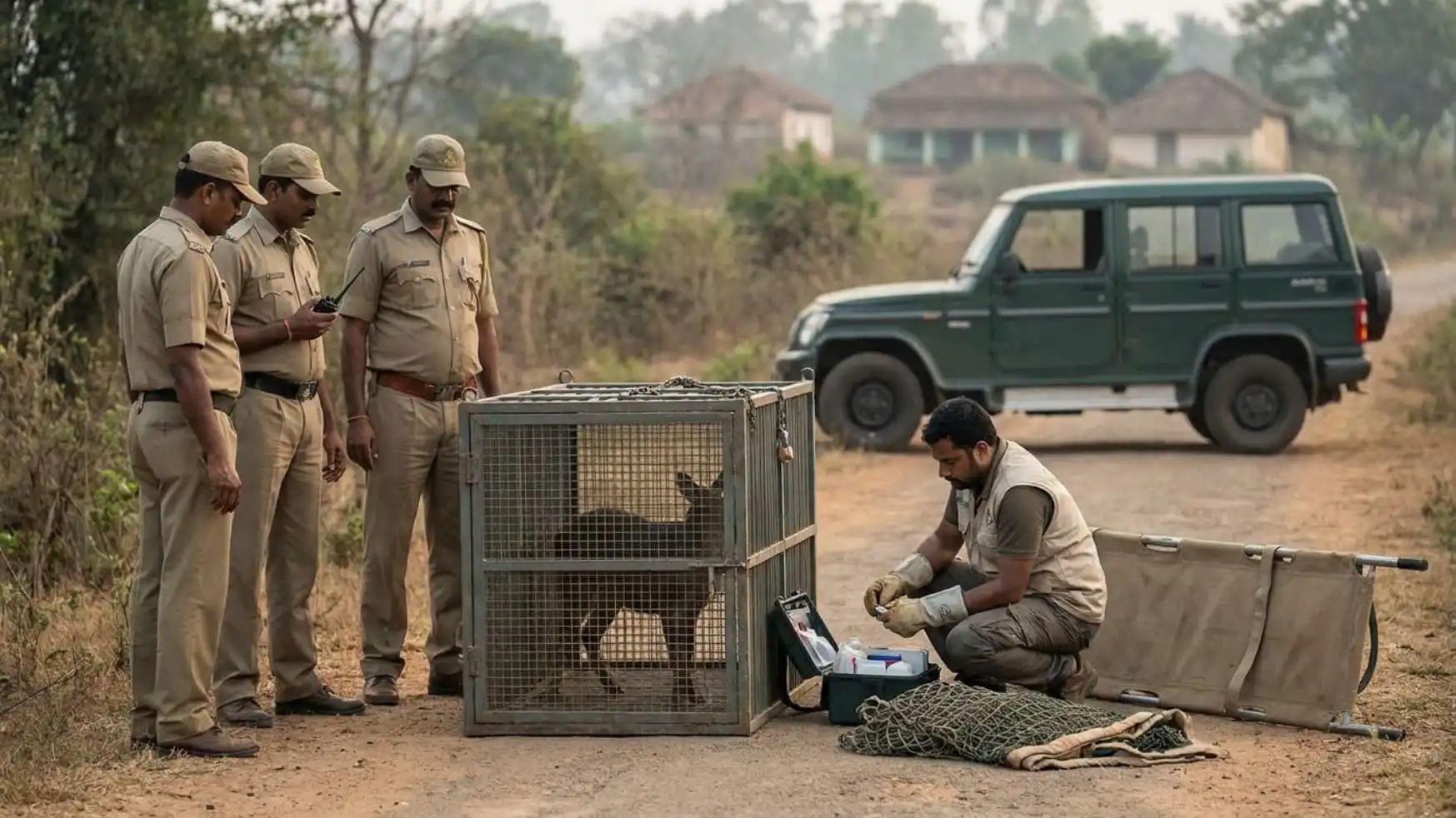
Karnataka forest officials manage wildlife rescues through rapid response teams, veterinary coordination, and community collaboration, handling hundreds of human-animal conflict incidents annually across the state.

Trees reduce Karnataka's urban temperatures by 2 to 8 degrees while filtering harmful air pollutants, offering measurable health and environmental benefits across the state's growing cities.

Nagarahole National Park in Karnataka's Kodagu and Mysore districts protects 643 square kilometers of critical tiger and elephant habitat while balancing conservation with community needs through forest protection strategies and ecotourism.
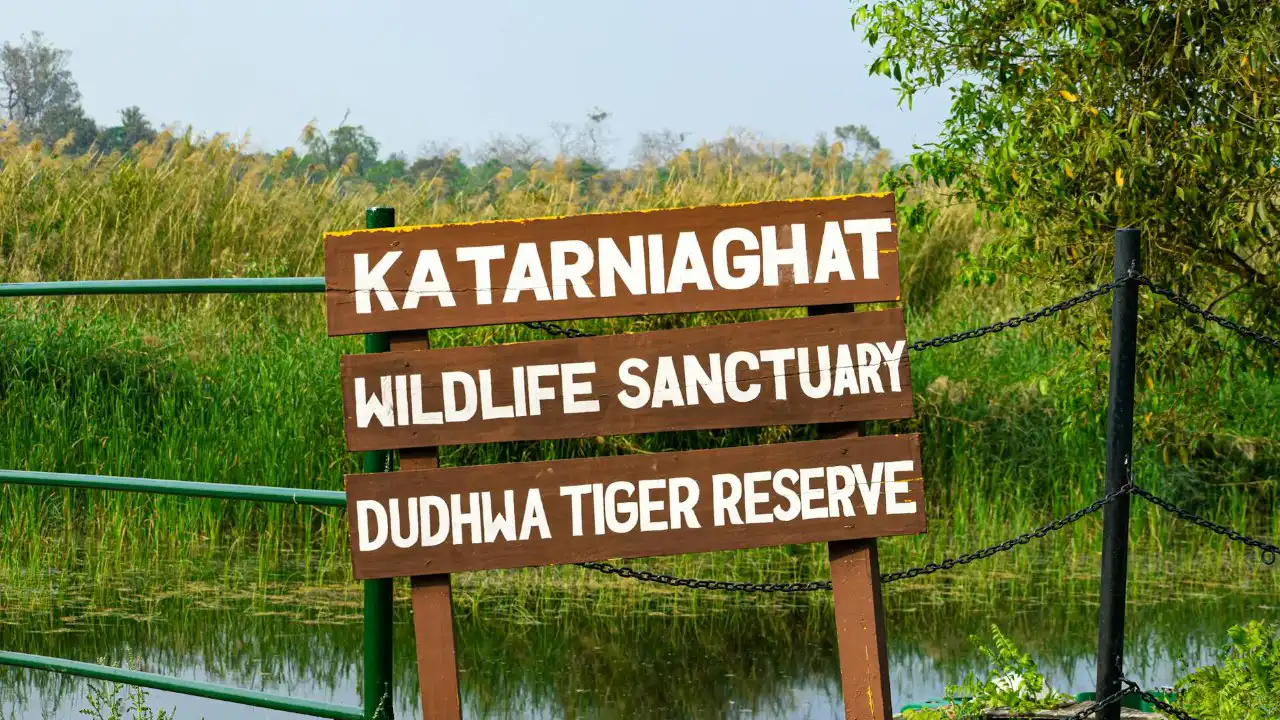
Karnataka uses biosphere reserves, national parks, and wildlife sanctuaries to protect biodiversity through different management approaches, balancing strict protection with varying levels of human activity and community rights.

Bandipur National Park, spanning 874 square kilometers in Karnataka's Chamarajanagar district, serves as a critical tiger reserve and biodiversity hotspot within the Nilgiri Biosphere Reserve, protecting diverse forests and wildlife while supporting sustainable livelihoods.
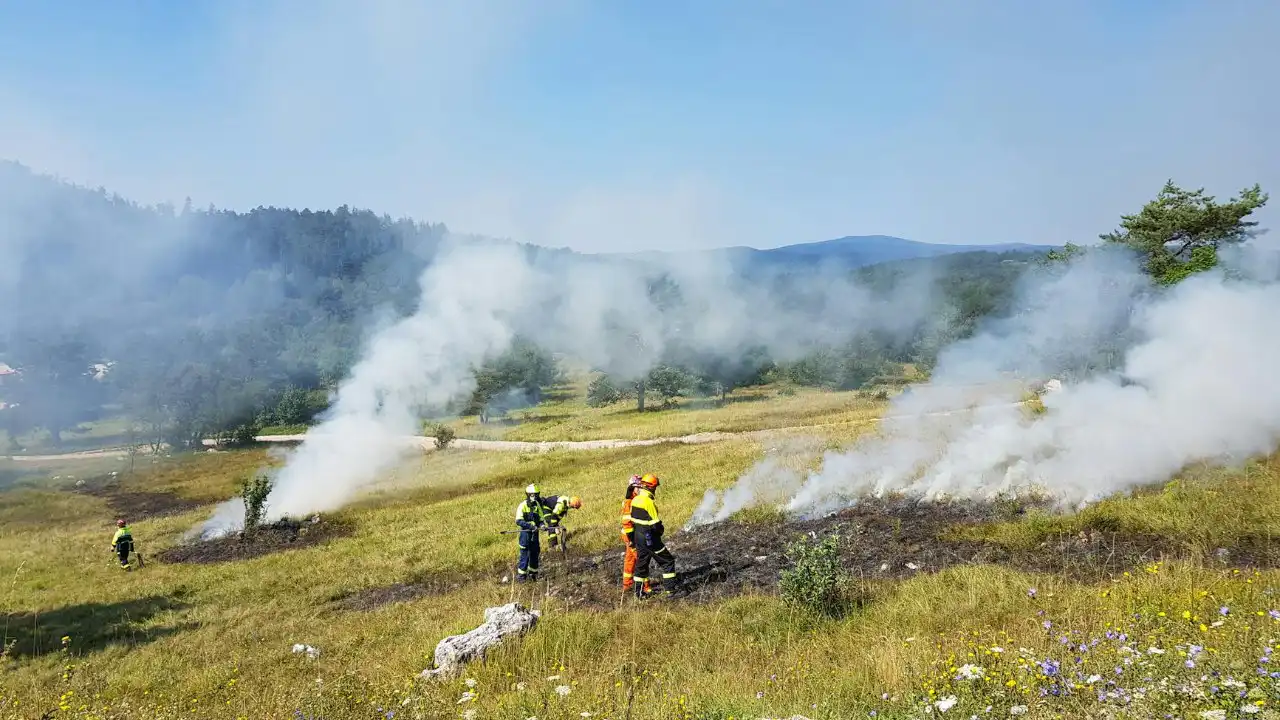
Karnataka Forest Department uses watchtowers, satellite monitoring, controlled burns, rapid response teams, and community networks to detect and suppress forest fires that threaten the state's biodiversity hotspots.
