Nagarahole National Park, situated in the Kodagu and Mysore districts of Karnataka, stands as one of India’s premier wildlife sanctuaries and a vital component of the Nilgiri Biosphere Reserve. Spanning 643 square kilometers of lush forests, this protected area represents decades of conservation effort and serves as a critical habitat for endangered species including tigers, elephants, and leopards.
Table of Contents
Origins and Historical Development
The protected status of Nagarahole dates back to 1955 when it was first designated as a wildlife sanctuary. In 1988, the area gained national park status, reflecting its ecological significance and the government’s commitment to preserving the region’s biodiversity. The park’s name derives from the Kannada words ‘nagar’ meaning snake and ‘hole’ meaning stream, referring to the serpentine waterway flowing through its terrain.

Prior to formal protection, these forests served as hunting grounds for the Maharajas of Mysore. The transition from royal hunting preserve to conservation sanctuary marked a fundamental shift in how Karnataka approached its natural heritage. Successive forest management policies strengthened protection measures, particularly after the park’s inclusion in Project Tiger in 1999, which brought additional resources and monitoring frameworks.
Biodiversity and Wildlife Populations
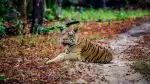
Nagarahole supports one of the highest densities of large mammals in Asia. Recent camera trap studies estimate the park hosts between 80 and 100 Bengal tigers, making it a crucial tiger conservation landscape. The elephant population exceeds 2,000 individuals, with seasonal movements connecting Nagarahole to adjacent protected areas in the Western Ghats corridor.
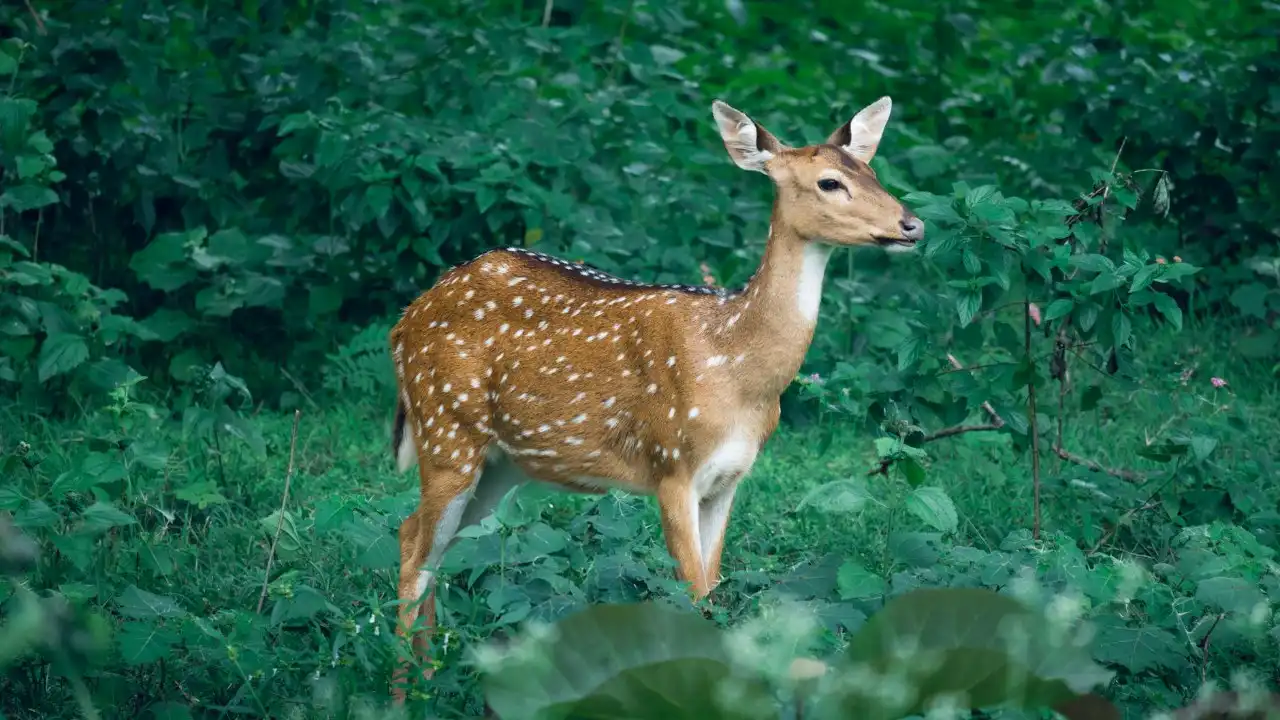
Beyond flagship species, the park shelters Indian bison (gaur), sloth bears, dholes (wild dogs), and four-horned antelopes. Bird diversity exceeds 270 species, including the Malabar trogon, great hornbill, and crested serpent eagle. Reptilian fauna includes king cobras, pythons, and marsh mugger crocodiles inhabiting the Kabini River basin.
| Species Category | Notable Examples | Conservation Status |
|---|---|---|
| Large Carnivores | Bengal Tiger, Leopard, Dhole | Endangered/Vulnerable |
| Herbivores | Asian Elephant, Gaur, Sambar Deer | Vulnerable/Least Concern |
| Primates | Lion-tailed Macaque, Bonnet Macaque | Endangered/Least Concern |
| Birds | Great Hornbill, Malabar Trogon | Near Threatened/Least Concern |
Forest Protection Challenges and Strategies
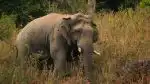
Human-wildlife conflict remains the most persistent challenge facing Nagarahole’s forest protection efforts. As Karnataka’s human population expands, settlements increasingly border the park’s boundaries. Crop raiding by elephants and occasional livestock predation by large carnivores create tension between conservation objectives and local livelihoods.
The Karnataka Forest Department employs multiple mitigation strategies. Solar-powered electric fences now protect vulnerable village peripheries, while rapid response teams address conflict incidents within hours of reporting. Compensation schemes for crop and livestock losses help maintain community support for conservation, though processing delays sometimes undermine effectiveness.
Poaching, while reduced from historical levels, continues as a threat requiring constant vigilance. According to [CITE: Wildlife Crime Control Bureau India poaching statistics Karnataka], organized wildlife crime networks target not only large mammals but also valuable timber species. Anti-poaching units conduct regular patrols using GPS-tracked routes, and informant networks within fringe villages provide intelligence on suspicious activities.
Ecological Management and Research Initiatives
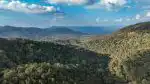
Scientific research forms the backbone of effective forest management at Nagarahole. Long-term ecological monitoring programs track population trends, vegetation dynamics, and climate impacts. Researchers from the Wildlife Conservation Society, Nature Conservation Foundation, and Karnataka Forest Department collaborate on studies examining predator-prey relationships, genetic connectivity, and disease surveillance.
Habitat management interventions focus on maintaining natural processes while addressing anthropogenic impacts. Controlled burning prevents excessive biomass accumulation that could fuel catastrophic fires. Water hole maintenance ensures year-round availability for wildlife, particularly during Karnataka’s dry season from January through May. Invasive plant species like Lantana camara require ongoing removal efforts to prevent displacement of native vegetation.
The park’s location within the larger Nilgiri Biosphere Reserve enables landscape-level conservation planning. Wildlife corridors connecting Nagarahole to Bandipur National Park, Wayanad Wildlife Sanctuary, and Mudumalai Tiger Reserve allow genetic exchange and seasonal migrations essential for population viability.
Community Engagement and Ecotourism
Successful forest protection depends on transforming local communities from stakeholders bearing conservation costs into beneficiaries sharing its rewards. Ecotourism generates significant employment in Kodagu and Mysore districts, with safari operators, guides, homestay owners, and craft sellers deriving income from wildlife tourism. Revenue-sharing mechanisms direct a portion of park entrance fees toward village development projects.
Environmental education programs target schools in buffer zone villages, fostering conservation awareness among younger generations. Forest department staff conduct workshops explaining wildlife behavior and demonstrating conflict mitigation techniques. Women’s self-help groups receive training in sustainable non-timber forest product harvesting, providing alternative income sources that reduce pressure on forest resources.
The Karnataka Forest Department reports that Karnataka Forest Department ecology tourism tourism to Nagarahole contributes substantially to the state’s ecotourism sector, demonstrating that protected forests deliver measurable economic value alongside ecological benefits.
Future Directions for Conservation
Climate change projections indicate shifting rainfall patterns and temperature increases that will test Nagarahole’s ecological resilience. Adaptive management strategies must account for potential range shifts, altered fire regimes, and emerging disease threats. Strengthening wildlife corridors becomes increasingly critical as fragmented populations face genetic isolation risks.
Technology integration offers new tools for forest protection. Drone surveillance enhances monitoring coverage across difficult terrain, while artificial intelligence analyzes camera trap images to accelerate population assessments. Mobile applications enable real-time conflict reporting and coordinate rapid response efforts.
Nagarahole’s conservation success ultimately depends on sustaining political will, adequate funding, and community partnerships. As Karnataka balances development aspirations with environmental stewardship, this national park exemplifies how effective protection delivers benefits extending far beyond park boundaries, from watershed services to carbon sequestration to preserving natural heritage for future generations.