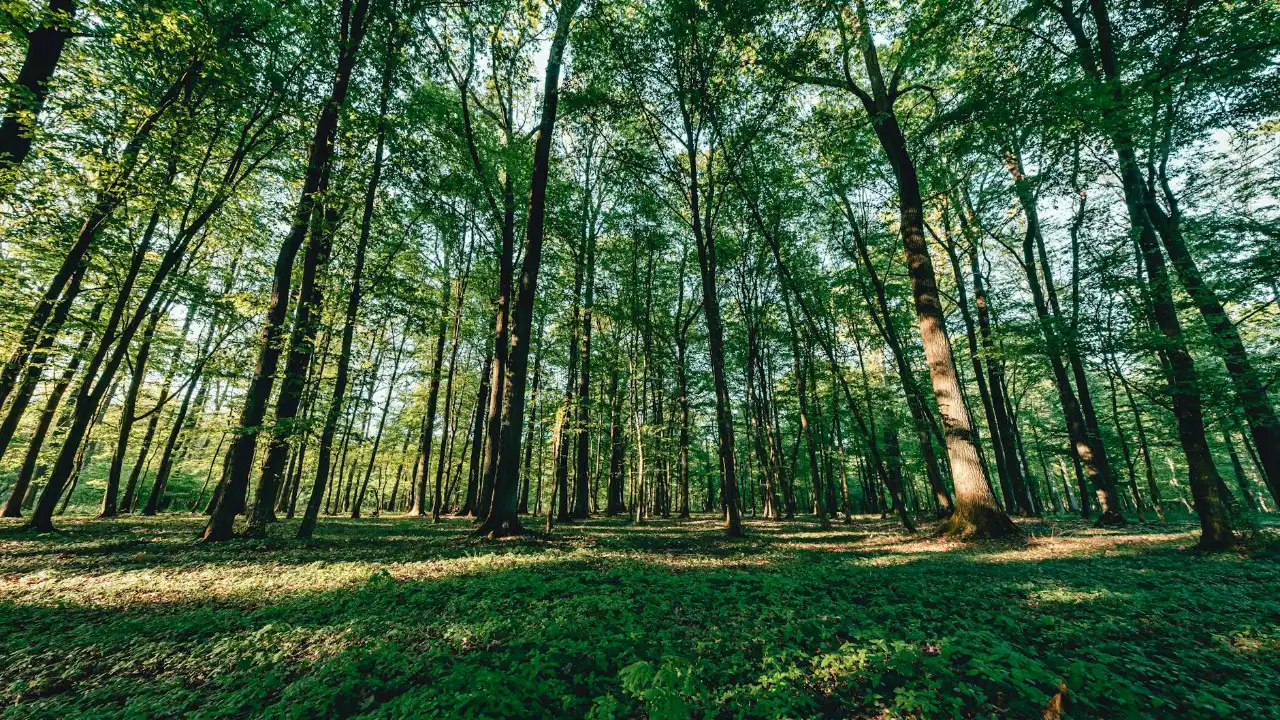
Forests across Karnataka serve as critical ecosystems where millions of species find shelter, food, and breeding grounds. From the Western Ghats to the dry deciduous forests of the north, these landscapes sustain complex food webs that connect mammals, avian populations, and countless invertebrates. Understanding how forests fulfill these ecological roles reveals why their preservation remains essential for biodiversity and human wellbeing alike.
Table of Contents
Shelter and Nesting Habitats
Tree canopies, hollow trunks, and dense undergrowth create layered habitats that different species occupy based on their specific needs. Large mammals such as elephants and tigers utilize forest cover for protection from extreme weather and human disturbance. Canopy-dwelling primates like lion-tailed macaques found in Karnataka’s rainforests rely on tall trees for movement corridors and sleeping sites, rarely descending to ground level.

Birds demonstrate particularly specialized nesting preferences within forest structures. Hornbills require large tree cavities for breeding, sealing themselves inside hollow trunks during incubation periods. Woodpeckers excavate fresh nesting holes in dead or dying trees, which later become homes for secondary cavity nesters including barbets, owls, and flying squirrels. Ground-nesting species such as jungle fowl depend on leaf litter and shrub cover to conceal their eggs from predators.
Insects occupy every vertical forest layer, from soil-dwelling beetles to canopy-residing butterflies. Bark crevices shelter overwintering moths, while fallen logs host termite colonies that process decaying wood. The structural diversity within forests creates thousands of microhabitats that support insect populations numbering in the billions per hectare.
Food Sources and Foraging Opportunities
Forest productivity generates abundant nutrition through fruits, seeds, nectar, leaves, and prey animals. Fruit-bearing trees provide seasonal food pulses that many species time their breeding cycles around. Fig trees alone support over 1,200 species globally, offering year-round fruiting that sustains mammals, birds, and insects during lean periods when other food sources disappear.

Herbivorous mammals such as deer, gaur, and elephants consume vast quantities of grasses, shoots, and foliage daily. A single adult elephant may eat 150 kilograms of plant matter per day, requiring extensive forest areas to meet nutritional needs. These large herbivores shape forest composition through selective browsing, creating gaps that allow light-demanding plant species to establish.
| Forest Layer | Primary Food Resources | Key Species Benefiting |
|---|---|---|
| Canopy | Fruits, flowers, nectar, insects | Primates, hornbills, sunbirds, flying foxes |
| Mid-story | Seeds, nuts, epiphytic plants | Squirrels, woodpeckers, parakeets |
| Understory | Berries, fungi, insects, small vertebrates | Jungle cats, civets, thrushes |
| Forest Floor | Fallen fruits, roots, earthworms, carrion | Wild pigs, porcupines, ground beetles |
Predatory species depend on forests supporting healthy prey populations. Raptors hunt from tree perches, scanning clearings for rodents and reptiles. Insectivorous birds consume millions of caterpillars, beetles, and spiders daily, regulating pest populations that might otherwise damage forest vegetation. This predator-prey balance maintains ecosystem stability across trophic levels.
Water Availability and Microclimates
Forests regulate local hydrology by capturing rainfall in canopy layers and releasing it gradually through evapotranspiration. This process maintains humidity levels that many amphibians, insects, and epiphytic plants require for survival. Stream corridors within Karnataka forests provide permanent water sources where animals congregate, particularly during summer months when temperatures exceed 40 degrees Celsius in adjacent plains.

The forest canopy reduces temperature extremes by blocking direct sunlight and trapping cooler air near the ground. Temperature differences between open areas and forest interiors can reach 8 to 12 degrees Celsius during peak afternoon hours. These cooler microclimates allow species to remain active during hot periods, extending foraging time and reducing heat stress on vulnerable populations including juveniles and nesting birds.
Moisture gradients within forests create distinct zones where specialized species thrive. Moss-covered rocks near streams support unique invertebrate communities, while drier ridgetops host different assemblages adapted to seasonal water scarcity. This environmental heterogeneity increases overall species richness within relatively small geographic areas.
Breeding Grounds and Population Connectivity
Successful reproduction requires specific environmental conditions that intact forests provide. Many bird species exhibit breeding site fidelity, returning to the same forest patches annually because they offer proven nesting success. Disruption of these traditional breeding areas can cause population declines even when suitable habitat exists elsewhere, as species may fail to locate or accept alternative sites.
Forest corridors enable genetic exchange between isolated populations by allowing animals to move safely between habitat patches. Tigers in Karnataka utilize such corridors to expand territories and find mates, preventing inbreeding depression that occurs in isolated groups. Research shows that populations connected by forest linkages maintain higher genetic diversity and greater resilience to environmental changes than fragmented groups.
Seasonal migrations depend on continuous forest cover along movement routes. Certain butterfly species undertake annual migrations across hundreds of kilometers, requiring intact vegetation that provides nectar sources and overnight roosting sites. Interrupting these pathways through deforestation forces species to cross hostile terrain where mortality rates increase dramatically.
Ecosystem Services Beyond Wildlife
The ecological functions forests perform for animals simultaneously benefit human communities. Pollinating insects supported by forest flowers increase agricultural yields in adjacent farmland. Birds that breed in forests control crop pests when they forage in cultivated areas. Predators such as owls and snakes reduce rodent populations that would otherwise damage stored grains and spread disease.
Forest preservation efforts in Karnataka increasingly recognize these interconnections between biodiversity conservation and livelihood security. Programs engaging local communities in habitat protection demonstrate how maintaining healthy wildlife populations produces tangible economic benefits through ecotourism, sustained forest product harvesting, and reduced human-wildlife conflict when animals have adequate resources within protected areas.
The relationship between forests and the species they support represents millions of years of co-evolution. Each component, from soil microbes to apex predators, plays roles that maintain ecosystem function. Protecting these relationships requires recognizing forests not as mere tree collections but as living systems where countless species depend on intricate ecological partnerships for survival.