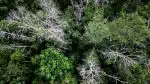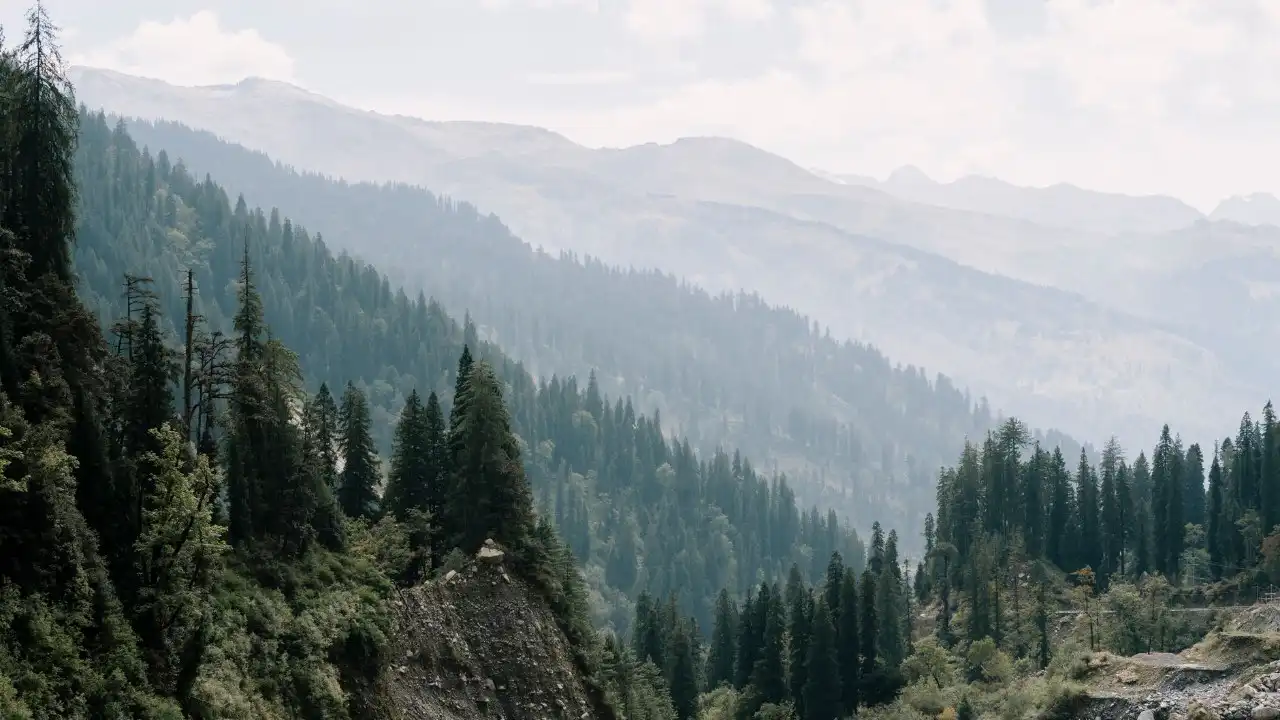
Forest departments across India operate as the primary custodians of nearly 25% of the nation’s geographical area, with Karnataka alone managing over 38,000 square kilometers of forested land. These governmental bodies function through a multi-tiered administrative structure that extends from national policy directives down to ground-level forest guards patrolling designated beats. The management framework balances conservation imperatives with community needs, ecological restoration with controlled resource extraction, and wildlife protection with human-wildlife coexistence strategies.
Table of Contents
Administrative Structure and Jurisdictional Hierarchy
The Indian Forest Service forms the core administrative backbone, with each state forest department headed by a Principal Chief Conservator of Forests who reports to the state’s environment ministry. Karnataka’s forest department divides its jurisdiction into territorial circles, wildlife circles, and special project circles, each supervised by Chief Conservators of Forests. Below this level, Conservators manage divisions typically spanning 2,000 to 4,000 square kilometers, which further subdivide into ranges headed by Range Forest Officers.

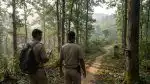
Field-level implementation happens through forest beats, the smallest administrative unit where forest guards conduct daily patrols, monitor encroachments, and serve as the first responders to wildlife incidents. This hierarchical structure ensures accountability flows vertically while local knowledge feeds upward into policy refinement. In Karnataka’s Western Ghats region, this system proves particularly crucial for managing biodiversity hotspots where endemic species require specialized protection protocols.
Working Plan as the Foundation Document
Every forest division operates under a comprehensive Working Plan that serves as a ten-year blueprint for all management activities. These documents undergo rigorous preparation involving satellite imagery analysis, ground surveys, vegetation assessments, and stakeholder consultations before receiving approval from state and central authorities. The plan demarcates areas into specific categories based on primary objectives such as production forestry, protection forestry, or wildlife conservation.
Karnataka’s forest department maintains separate working plans for territorial divisions focused on timber and non-timber forest products, and for wildlife divisions where habitat preservation supersedes extraction activities. These plans prescribe silvicultural treatments, dictate permissible harvesting volumes, schedule plantation activities, and allocate budgets across competing priorities. The working plan system introduces scientific rigor into forest management while maintaining flexibility to adapt to emerging ecological challenges.
Conservation Through Classification Systems
Indian forests fall into distinct legal categories that determine management approaches and permissible activities. Reserved Forests receive the highest protection level, prohibiting most human activities except those explicitly permitted under the working plan. Protected Forests allow certain traditional uses while restricting commercial exploitation, creating buffer zones around core conservation areas. Village Forests operate under community management frameworks where local bodies exercise stewardship rights under forest department supervision.
| Forest Category | Management Priority | Community Access | Karnataka Coverage |
|---|---|---|---|
| Reserved Forests | Strict conservation and controlled production | Restricted, permit-based | Approximately 60% of forest area |
| Protected Forests | Balanced use with protection | Traditional rights recognized | Approximately 35% of forest area |
| Village Forests | Community-led sustainable use | High local participation | Approximately 5% of forest area |
This classification system enables forest departments to apply differentiated management strategies tailored to ecological sensitivity, community dependence, and conservation value. Karnataka’s tiger reserves and national parks operate under the most stringent protocols within the Reserved Forest framework, while coffee-growing districts maintain Protected Forests that accommodate shade-grown cultivation practices.
Field Operations and Ground-Level Activities
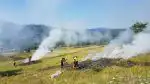
Daily forest management extends far beyond administrative paperwork into tangible field activities that shape forest health and productivity. Plantation drives during monsoon months involve nursery operations, site preparation, sapling distribution, and survival monitoring across degraded patches. Fire management teams conduct controlled burns during winter to reduce fuel loads, maintain fire lines along vulnerable boundaries, and establish watchtowers in fire-prone zones throughout Karnataka’s deciduous forests.
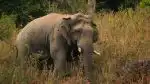
Wildlife monitoring employs camera traps, pugmark tracking, population estimation exercises, and conflict mitigation measures where forest edges meet agricultural landscapes. Forest guards collect phenological data on flowering and fruiting patterns, document invasive species spread, and report illegal activities ranging from timber smuggling to wildlife poaching. The Karnataka forest department coordinates with neighboring states on elephant corridor management, ensuring migratory routes remain functional despite infrastructure development pressures.
Community Engagement and Joint Forest Management
Recognizing that sustainable forest management requires local participation, forest departments facilitate Joint Forest Management Committees that bring villagers into decision-making processes. These committees receive usufruct rights over non-timber forest products such as honey, tamarind, amla, and medicinal plants in exchange for protection responsibilities. Revenue-sharing mechanisms distribute income from forestry operations with participating communities, creating economic incentives for conservation.
In Karnataka’s tribal-dominated districts, forest departments work with indigenous communities to document traditional ecological knowledge while integrating customary practices into formal management plans. Eco-development committees around protected areas receive funding for alternative livelihood initiatives that reduce forest dependence, from dairy cooperatives to handicraft enterprises. This participatory approach transforms communities from perceived threats into conservation allies, though implementation quality varies considerably across different forest divisions.
Technology Integration and Modern Tools
Contemporary forest management increasingly relies on technological platforms that enhance monitoring capabilities and decision-making speed. Geographic Information Systems map forest cover changes, track encroachment patterns, and optimize patrol routes for limited staff. Remote sensing satellites provide regular imagery for detecting illegal felling, assessing fire damage, and monitoring regeneration success rates across Karnataka’s extensive forest landscape.
Mobile applications enable real-time reporting from field staff, digital transit permits reduce paperwork for legitimate timber movement, and drone surveillance covers inaccessible terrain during critical operations. The forest department maintains databases tracking individual trees in high-value zones, wildlife sighting records, and complaint resolution timelines. These digital tools complement rather than replace ground-level knowledge, with experienced foresters interpreting data patterns through the lens of local ecological conditions.
Forest departments navigate complex challenges balancing ecological integrity with legitimate human needs, adapting century-old management frameworks to contemporary realities of climate change and demographic pressure. The effectiveness of these institutions ultimately depends on adequate staffing, sustained funding, political will for enforcement, and continued collaboration with communities whose lives intertwine with forest ecosystems. For Karnataka residents, understanding these management mechanisms creates opportunities for informed participation in shaping how forests serve present and future generations.