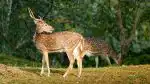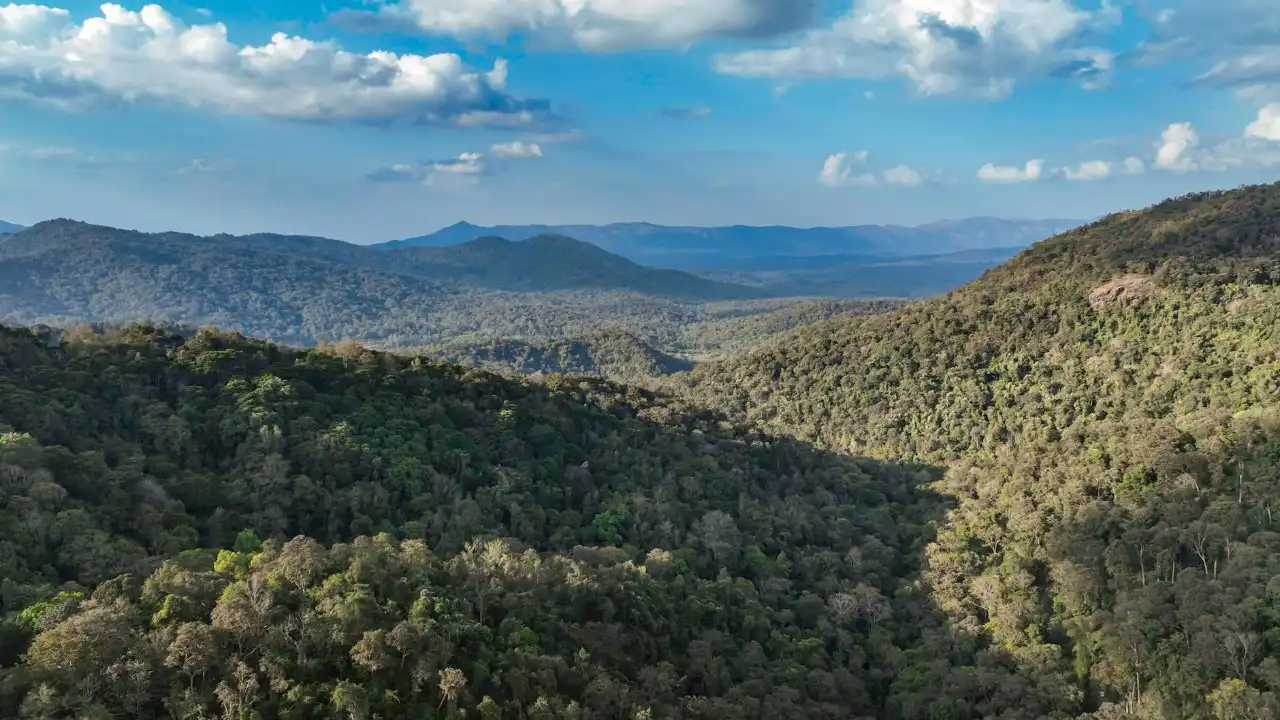
Karnataka harbors nearly 38,720 square kilometers of forest cover across diverse ecological zones, making it one of India’s most biodiverse states. From the mist-laden evergreen canopies of the Western Ghats to the dry deciduous stretches of the Deccan Plateau, these forests sustain wildlife corridors, regulate monsoon patterns, and provide livelihoods for thousands of tribal communities. Understanding the major forest types across Karnataka reveals not just ecological richness but also the conservation challenges facing each ecosystem.
Table of Contents
Tropical Evergreen and Semi-Evergreen Forests
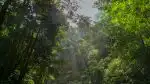
The Western Ghats mountain range running parallel to Karnataka’s coast hosts some of India’s most pristine tropical evergreen forests. These dense, multi-layered canopies receive annual rainfall exceeding 2,500 millimeters, creating conditions where trees remain green throughout the year. Districts like Uttara Kannada, Dakshina Kannada, and Chikmagalur contain extensive patches of these forests, characterized by species such as Malabar kino, rosewood, and wild jack.
Semi-evergreen forests occupy transitional zones where rainfall patterns shift between wet and dry seasons. According to Karnataka Forest Department biodiversity information, these forests support over 60 percent of the state’s endemic plant species. The canopy structure includes evergreen trees mixed with deciduous species that shed leaves during dry months. Commercially valuable species like teak, silver oak, and white cedar thrive in these areas, though logging pressure remains a persistent concern.
Wildlife populations in these forests include the endangered lion-tailed macaque, Nilgiri tahr, and Malabar giant squirrel. The Sharavathi Valley and Agumbe regions represent critical habitats where conservation efforts focus on maintaining corridor connectivity between protected areas.
Tropical Moist Deciduous Forests
Moving eastward from the Ghats, tropical moist deciduous forests dominate the mid-elevation zones and receive between 1,000 and 2,000 millimeters of annual rainfall. These forests shed leaves during the dry season from February to May, creating a distinct seasonal rhythm. Teak, sal, sandalwood, and bamboo form the dominant vegetation, with the forest floor bursting into green within days of the first monsoon showers.
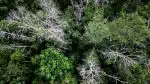
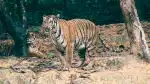
Districts including Shimoga, Belgaum, and parts of Mysuru contain significant moist deciduous cover. The Nagarhole and Bandipur Tiger Reserves fall within this forest type, supporting populations of Asian elephants, Bengal tigers, Indian gaur, and dhole. These forests face mounting pressure from infrastructure expansion, particularly highway projects that fragment elephant migration routes between Karnataka and neighboring Tamil Nadu and Kerala.
Sandalwood cultivation, both legal and illicit, shapes the economic relationship communities maintain with these forests. The Karnataka Forest Development Corporation manages sandalwood plantations, though poaching remains economically attractive given international market prices.
Tropical Dry Deciduous Forests
The northern and eastern plateaus of Karnataka transition into tropical dry deciduous forests where annual rainfall drops below 1,000 millimeters. These forests experience prolonged dry periods lasting six to seven months, forcing vegetation to adopt water-conservation strategies. Trees like neem, tamarind, acacia, and Indian bdellium dominate, with stunted growth forms reflecting moisture stress.
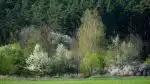
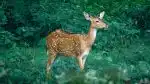
Districts such as Raichur, Koppal, and Kalaburagi contain extensive dry deciduous patches interspersed with scrubland. The forest floor supports grasses and shrubs that provide fodder for livestock, creating complex land-use negotiations between forest departments and pastoral communities. Wildlife populations adapt to seasonal water scarcity, with species like blackbuck, Indian wolf, and various raptor species occupying these habitats.
Fire management represents a critical challenge during summer months when dried leaf litter becomes highly combustible. Controlled burning practices, traditionally used by indigenous communities to promote new grass growth, now intersect with official fire suppression policies in ways that sometimes increase wildfire risk.
Montane Wet Temperate Forests
Above 1,500 meters elevation in the Western Ghats, montane wet temperate forests create ecosystems distinct from lowland tropical types. These high-altitude forests experience cooler temperatures and persistent cloud cover, supporting species assemblages found nowhere else in Karnataka. The Nilgiri Hills extending into Kodagu district and the Baba Budangiri range in Chikmagalur represent key locations.
Vegetation includes stunted evergreen trees, rhododendrons, and extensive patches of shola forests interspersed with grasslands. These shola-grassland mosaics function as critical water catchment areas, feeding rivers like the Cauvery, Tunga, and Bhadra. Coffee plantations border many montane forest patches, creating economic dependencies that complicate conservation planning.
Endemic species such as the Nilgiri langur and various amphibian populations occupy narrow elevation ranges, making them vulnerable to climate shifts. Temperature increases of even two degrees Celsius could eliminate suitable habitat for cold-adapted species.
Conservation Status and Challenges
Each forest type across Karnataka faces distinct pressures shaped by regional economic activities and demographic patterns. Evergreen forests contend with tourism expansion and hydroelectric projects, while deciduous forests navigate agricultural encroachment and mining operations. Human-wildlife conflict intensifies along forest boundaries, particularly where elephant corridors intersect with agricultural lands.
The Karnataka Forest Department manages 13 wildlife sanctuaries and five national parks, employing over 8,000 personnel for protection and management activities. Community-based conservation initiatives increasingly recognize that sustainable forest management requires addressing livelihood needs of forest-dependent populations. Joint Forest Management committees operate in numerous divisions, though implementation quality varies significantly.
Climate change introduces uncertainty across all forest types. Shifting rainfall patterns, extended droughts, and altered flowering cycles disrupt ecological relationships developed over millennia. Monitoring programs track these changes, but adaptation strategies remain underfunded relative to the scale of projected impacts. Protecting Karnataka’s forest diversity requires sustained investment in both conservation infrastructure and the communities whose futures remain intertwined with these ecosystems.