The Karnataka Forest Department recruits Range Forest Officers through a competitive selection process that draws thousands of candidates annually. For aspiring forest officers in Karnataka, understanding the qualification requirements, examination structure, and career progression is essential before beginning preparation for this prestigious state service position.
Table of Contents
Educational and Eligibility Requirements
Candidates must hold a bachelor’s degree in any discipline from a recognized university to apply for the Range Forest Officer position. The age limit typically ranges from 21 to 35 years, with relaxations provided for reserved categories as per government norms. Physical fitness standards are mandatory, including minimum height requirements of 165 cm for male candidates and 155 cm for female candidates. Candidates must also demonstrate visual acuity standards and physical endurance capabilities measured during the selection process.

While a general degree suffices, candidates with backgrounds in forestry, environmental science, botany, zoology, or agriculture often find the syllabus more accessible. The recruitment notification released by the Karnataka Public Service Commission specifies exact eligibility criteria, which may vary slightly between recruitment cycles. Domicile requirements favor Karnataka residents, though exceptions apply for certain categories.
Examination Structure and Syllabus Coverage
The Karnataka RFO examination follows a multi-tier structure designed to assess both theoretical knowledge and practical aptitude. The written examination consists of two papers covering distinct subject areas.
Paper I focuses on general studies, including Indian polity, geography, Indian economy, current affairs, and general science. This paper carries significant weight in the overall selection and tests awareness of national and state-level developments. Karnataka-specific questions frequently appear, covering state geography, forest resources, wildlife sanctuaries, and administrative structure.
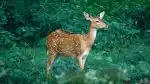
Paper II emphasizes forestry and environmental subjects. Topics include forest ecology, silviculture, wildlife management, forest laws and regulations, environmental conservation, and sustainable development practices. Questions assess both conceptual understanding and application of forestry principles to real-world scenarios. According to Forest Survey of India Karnataka assessment report, the state manages over 38,000 square kilometers of forest area, making practical knowledge of regional ecosystems particularly relevant.
| Examination Component | Subject Coverage | Duration | Marks |
|---|---|---|---|
| Paper I | General Studies, Current Affairs, State Administration | 2 hours | 200 |
| Paper II | Forestry, Ecology, Wildlife Management, Environmental Laws | 2 hours | 200 |
| Physical Efficiency Test | Endurance Walk, Physical Standards | Variable | Qualifying |
| Interview | Personality Assessment, Subject Knowledge | 20-30 minutes | 50 |
Candidates who clear the written examination proceed to the Physical Efficiency Test, which includes an endurance walk covering 25 kilometers within four hours. This qualifying round eliminates candidates unable to meet physical demands. The final stage involves a personality test conducted by an interview panel assessing communication skills, decision-making abilities, and commitment to forest conservation.
Preparation Strategy and Timeline
Successful candidates typically dedicate six to 12 months to structured preparation. The initial phase should focus on strengthening general studies, particularly areas like Indian geography, polity, and current affairs. Daily newspaper reading and monthly current affairs compilations help maintain awareness of environmental policies and forest-related developments.

For the forestry paper, standard textbooks on silviculture, forest ecology, and wildlife management form the foundation. Candidates should supplement this with government reports, particularly those from the Ministry of Environment, Forest and Climate Change. Understanding Karnataka-specific forest types, endangered species, and conservation projects provides an edge during both written and interview stages.
Physical preparation cannot be postponed. Regular walking, jogging, and stamina-building exercises should begin early in the preparation cycle. The 25-kilometer endurance test eliminates numerous candidates who excel academically but neglect physical conditioning.
Career Progression and Departmental Hierarchy
A Range Forest Officer occupies a crucial middle-management position within the Karnataka Forest Department hierarchy. Upon appointment, officers receive postings across Karnataka’s forest divisions, including Western Ghats regions, coastal forests, and interior forest ranges.
Initial responsibilities include forest protection, wildlife monitoring, plantation management, and community engagement programs. Officers coordinate with local communities, enforce forest laws, and implement conservation schemes. Field postings provide hands-on experience managing forest beats, supervising forest guards, and responding to human-wildlife conflict situations.
Promotion pathways lead to positions such as Assistant Conservator of Forests, Deputy Conservator of Forests, and eventually Conservator-level posts. Performance evaluations, departmental examinations, and seniority determine advancement. Senior officers handle policy implementation, large-scale conservation projects, and administrative oversight of multiple forest divisions. According to Karnataka Forest Department organizational structure, the department employs over 15,000 personnel across various cadres, with Range Forest Officers forming the operational backbone.
The position offers job security, pension benefits, government housing, and opportunities to contribute meaningfully to environmental conservation. Officers witness direct impact through afforestation projects, wildlife protection initiatives, and ecological restoration efforts across Karnataka’s diverse forest ecosystems.
Application Process and Important Considerations
Recruitment notifications appear on the Karnataka Public Service Commission website, typically once every two to three years depending on departmental vacancies. Candidates must monitor official announcements during application windows, which usually remain open for 30 to 45 days.
The application process occurs entirely online, requiring candidates to upload educational certificates, category certificates, photographs, and signature scans. Application fees vary by category, with exemptions for reserved groups. Candidates should verify eligibility criteria thoroughly before applying, as incomplete or incorrect applications face rejection during document verification.
Exam centers are distributed across major Karnataka cities, though candidates cannot always choose their preferred location. Admit cards become available approximately two weeks before the examination date. Post-examination, the commission publishes answer keys, allowing candidates to estimate performance before official results.
For those committed to forest conservation and possessing the academic foundation and physical capability, the Karnataka RFO position represents a fulfilling career path. The role combines fieldwork with administrative responsibilities, offering varied experiences across Karnataka’s rich forest landscapes while contributing to biodiversity preservation and environmental sustainability for future generations.