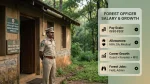
Karnataka’s forest department employs Range Officers as frontline administrators responsible for wildlife protection, forest conservation, and community engagement across the state’s diverse ecosystems. These positions combine fieldwork with regulatory oversight, offering candidates a career path that balances environmental stewardship with administrative responsibility. The selection process demands preparation across multiple assessment stages, while the role itself provides long-term growth potential within Karnataka’s forest governance structure.
Table of Contents
Eligibility Requirements and Educational Qualifications
Candidates applying for Forest Range Officer positions in Karnataka must hold a bachelor’s degree in forestry, botany, zoology, environmental science, agriculture, or veterinary science from a recognized university. The Karnataka Forest Department typically sets the age range between 21 and 28 years for general category applicants, with relaxations available for reserved categories as per state government norms. Physical fitness standards include minimum height requirements of 168 cm for male candidates and 158 cm for female candidates, though these specifications can vary between recruitment cycles.

Domicile requirements prioritize Karnataka residents, particularly for positions in reserved quotas. Some positions require proficiency in Kannada, especially for roles involving direct community interaction in rural forest divisions. Candidates from other states may apply under general merit seats where available, but local language skills significantly enhance selection prospects and on-ground effectiveness.
Selection Process Stages
The recruitment process unfolds across three to four distinct phases designed to assess both cognitive abilities and physical readiness. The preliminary examination tests general knowledge, reasoning ability, and subject-specific forestry concepts through a multiple-choice format. According to Karnataka forest service exam pattern, this stage typically includes 150 to 200 questions covering environmental laws, forest ecology, wildlife management, and current affairs related to conservation.
Candidates who clear the preliminary round advance to the main written examination, which includes descriptive papers on forest management, wildlife protection acts, and administrative procedures. This stage evaluates analytical writing skills and depth of subject knowledge through essay-type questions and case studies. The examination pattern emphasizes practical scenarios such as human-wildlife conflict resolution, illegal logging intervention protocols, and community forestry program implementation.
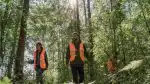
Physical efficiency testing forms the third stage, where candidates complete endurance runs, long jump, high jump, and weight-carrying exercises within specified time limits. This phase reflects the demanding field conditions Range Officers encounter in regions like the Western Ghats forests or coastal mangrove systems. Successful candidates then face a personality assessment interview conducted by a panel of senior forest officials who evaluate communication skills, decision-making ability under pressure, and genuine commitment to conservation work.
Training and Probation Period
Selected candidates undergo intensive training at designated forest training institutes, including facilities in Dharwad and other locations across Karnataka. The curriculum combines classroom instruction on forest laws and policies with field training in forest survey techniques, GPS mapping, wildlife census methods, and community engagement protocols. Trainees spend substantial time in actual forest divisions observing senior officers and participating in patrol operations, anti-poaching surveillance, and plantation monitoring.
The probation period extends from 18 to 24 months, during which new Range Officers work under supervision while gradually assuming independent charge of specific territorial divisions. Performance evaluations during this phase assess practical competence in managing forest beats, coordinating with local village committees, and responding to emergencies such as forest fires or wildlife encroachment incidents. Successful completion of probation leads to confirmed appointment with regular pay scale progression.
Career Progression and Promotion Pathways
| Position | Typical Experience Required | Key Responsibilities |
|---|---|---|
| Forest Range Officer | Entry level | Beat supervision, patrol coordination, field reports |
| Assistant Conservator of Forests | 5 to 7 years | Division management, budget allocation, staff oversight |
| Deputy Conservator of Forests | 12 to 15 years | Circle administration, policy implementation, inter-department liaison |
| Conservator of Forests | 20+ years | Regional planning, high-level coordination, strategic conservation initiatives |
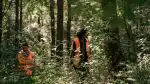
Promotion from Range Officer to Assistant Conservator typically occurs through departmental examinations combined with seniority considerations. Officers demonstrating exceptional performance in wildlife crime prevention, successful afforestation programs, or innovative community forestry models receive accelerated advancement opportunities. Lateral movement into specialized wings such as wildlife management, eco-tourism development, or forest research also becomes available as officers gain experience.
Salary Structure and Additional Benefits
Entry-level Range Officers in Karnataka receive monthly salaries in the range of ₹35,000 to ₹45,000, following state government pay commission recommendations. This base pay increases with grade progression and includes dearness allowance, house rent allowance for non-quarters postings, and transport allowances for field duties. Officers posted in remote forest areas receive hardship allowances and free government housing within forest compounds.
Additional benefits include comprehensive medical coverage for officers and dependents, pension schemes under the state government framework, and leave travel concessions. The department provides vehicles and fuel allowances for officers managing extensive territorial jurisdictions. Educational scholarships for officers’ children and access to department-run recreational facilities add to the overall compensation package beyond monetary components.
Work Environment and Operational Challenges
Range Officers in Karnataka operate across varied terrain, from the dense evergreen forests of Kodagu to the dry deciduous woodlands of northern districts. Daily responsibilities include leading anti-poaching patrols, mediating crop damage disputes between farmers and wildlife, overseeing timber transit documentation, and coordinating with police during illegal mining or encroachment cases. According to Karnataka forest department annual reports, officers increasingly handle technology-driven monitoring using camera traps, drone surveillance, and GIS mapping systems.
The role demands resilience against irregular working hours, extended field postings away from urban centers, and occasional confrontations with organized timber smuggling networks. Officers balance enforcement duties with community development work, implementing joint forest management programs where local communities participate in protection efforts in exchange for sustainable harvest rights. Success requires diplomatic skills to navigate conflicts between conservation mandates and livelihood pressures facing forest-adjacent populations.
Long-Term Career Outlook
Expanding environmental concerns and Karnataka’s growing focus on biodiversity conservation strengthen job security and relevance for Forest Range Officers. Recent initiatives in eco-tourism development, carbon sequestration projects, and wildlife corridor restoration create new specialized roles within the department. Officers gain opportunities to work with international conservation organizations, participate in research collaborations with academic institutions, and contribute to policy formulation at state level.
The profession suits individuals seeking purpose-driven work with tangible environmental impact rather than purely corporate career trajectories. Officers who develop expertise in specific areas such as elephant conservation, coastal mangrove restoration, or forest fire management often transition into advisory roles with environmental NGOs or consulting firms after retirement. The combination of government job stability, field-based variety, and conservation mission makes Forest Range Officer positions uniquely positioned among Karnataka’s civil service opportunities.