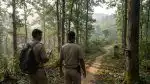
Forest watchers serve as the frontline guardians of Karnataka’s 38,720 square kilometers of forest cover, representing roughly 20 percent of the state’s geographical area. These field-level personnel protect biodiversity hotspots ranging from the Western Ghats’ evergreen forests to the dry deciduous woodlands of the northern districts. Their daily presence in remote forest areas makes them essential to conservation efforts that urban administrators and policymakers cannot execute alone.
Table of Contents
Primary Responsibilities of Forest Watchers
Forest watchers conduct regular patrols across designated forest beats, typically covering 15 to 25 kilometers daily on foot through challenging terrain. They monitor wildlife movement patterns, identify signs of illegal activity, and report encroachments before they escalate into major land grabs. During patrol duties, watchers document unusual animal behavior that might indicate disease outbreaks or habitat disturbance requiring immediate intervention.

These personnel maintain detailed logbooks recording visitor entries, timber movement permits, and minor forest produce collection by local communities. They serve as the critical information link between forest-dependent communities and the Forest Department administration. When tribal populations exercise their rights to collect tendu leaves, honey, or medicinal plants, forest watchers verify quantities and ensure sustainable harvesting practices.
Combating Illegal Activities
Poaching, timber smuggling, and sandalwood theft represent persistent threats across Karnataka’s forests, with particularly intense pressure in reserves near Mysuru, Chamarajanagar, and Chickmagalur districts. Forest watchers act as early warning systems, identifying suspicious movement patterns and alerting rapid response teams before smugglers can transport contraband. According to [CITE: Karnataka Forest Department annual poaching statistics], coordinated efforts involving watchers have contributed to measurable reductions in wildlife crime incidents over the past five years.
Watchers stationed near protected areas like Bandipur and Nagarhole perform night patrols during periods when poaching activity peaks. They work alongside anti-poaching squads, providing local terrain knowledge that proves invaluable during pursuit operations. Their familiarity with seasonal migration routes helps distinguish between natural animal movements and human-induced disturbances requiring investigation.
Human-Wildlife Conflict Mitigation

Karnataka experiences approximately 1,500 human-wildlife conflict incidents annually, with elephant crop raiding and leopard encounters causing both economic loss and fatalities. Forest watchers stationed in conflict-prone zones monitor animal movement near village boundaries, providing advance warnings that allow farmers to protect crops and families to secure livestock.
These personnel deploy non-lethal deterrents including firecrackers, drum beating, and temporary electric fencing when elephants approach agricultural lands. They coordinate with veterinary teams during wildlife rescue operations, guiding experts to injured animals through dense forest areas. Watchers also educate rural communities about coexistence strategies, discouraging retaliatory killings that undermine conservation goals.
Fire Prevention and Management
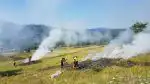
Summer months bring acute fire risk to Karnataka’s forests, particularly in deciduous zones where dry leaf litter accumulates. Forest watchers create and maintain firebreaks, clear combustible vegetation around vulnerable areas, and enforce regulations prohibiting open fires during high-risk periods. They staff watchtowers during critical fire season weeks, scanning vast areas for smoke plumes that indicate ignition.

When fires occur despite preventive measures, watchers provide ground-level intelligence about fire direction, intensity, and accessibility for firefighting vehicles. Their knowledge of water sources, forest tracks, and wind patterns enables rapid containment responses. Post-fire assessments conducted by watchers help departments analyze damage extent and plan regeneration activities.
Community Engagement and Education
Forest watchers bridge the gap between conservation authorities and forest-fringe communities who depend on woodlands for livelihoods. They facilitate Joint Forest Management programs where villagers participate in protection activities in exchange for sustainable access to non-timber forest products. This collaborative model has proven particularly effective in districts like Uttara Kannada and Shivamogga.
Educational outreach forms another crucial responsibility, with watchers conducting awareness sessions in schools and village gatherings about native species, conservation importance, and legal consequences of forest violations. They distribute information about government schemes supporting alternative livelihoods that reduce forest dependency pressure.
Career Pathway and Qualifications
The Karnataka Forest Department recruits forest watchers through the Karnataka Public Service Commission, requiring candidates to possess a high school diploma and pass physical fitness tests including distance running and endurance assessments. Selected candidates undergo training covering wildlife identification, first aid, GPS navigation, evidence collection, and conflict resolution techniques.
| Qualification Requirement | Details |
|---|---|
| Educational Background | 10th standard pass from recognized board |
| Age Limit | 18 to 28 years (relaxation for reserved categories) |
| Physical Standards | Height 168 cm, chest 81 cm (5 cm expansion) |
| Selection Process | Written exam, physical test, personal interview |
| Training Duration | Six months at Forest Training Institutes |
Starting salaries range from Rs. 20,000 to Rs. 25,000 monthly, with opportunities for promotion to forest guard and higher positions based on performance and additional qualifications. According to KPSC recruitment notifications here, the department conducts recruitment drives periodically to fill vacancies across forest divisions.
Challenges and Future Outlook
Forest watchers face significant occupational hazards including wildlife attacks, extreme weather exposure, and confrontations with armed smuggling gangs. Inadequate staffing means individual watchers often patrol vast territories alone, limiting their effectiveness in remote sections. Infrastructure deficiencies such as outdated communication equipment and insufficient housing at forest posts compound these difficulties.
Modern conservation demands require upgrading watcher capabilities through technology integration. GPS-enabled patrol tracking, camera trap monitoring, and mobile-based reporting systems can enhance efficiency while improving safety. Expanding recruitment to meet ideal staff-to-area ratios would strengthen protection across Karnataka’s diverse forest ecosystems, ensuring these vital natural resources endure for future generations.