Forest guard recruitment in Karnataka draws thousands of applicants each year, yet many candidates stumble during examinations because they lack command over fundamental environmental terminology. The Karnataka Forest Department expects candidates to demonstrate not just physical fitness but also conceptual clarity about ecosystems, conservation frameworks, and regulatory mechanisms. Aspirants who master this specialized vocabulary gain a decisive advantage in both written tests and interview rounds.
Table of Contents
Ecosystem Components and Forest Structure
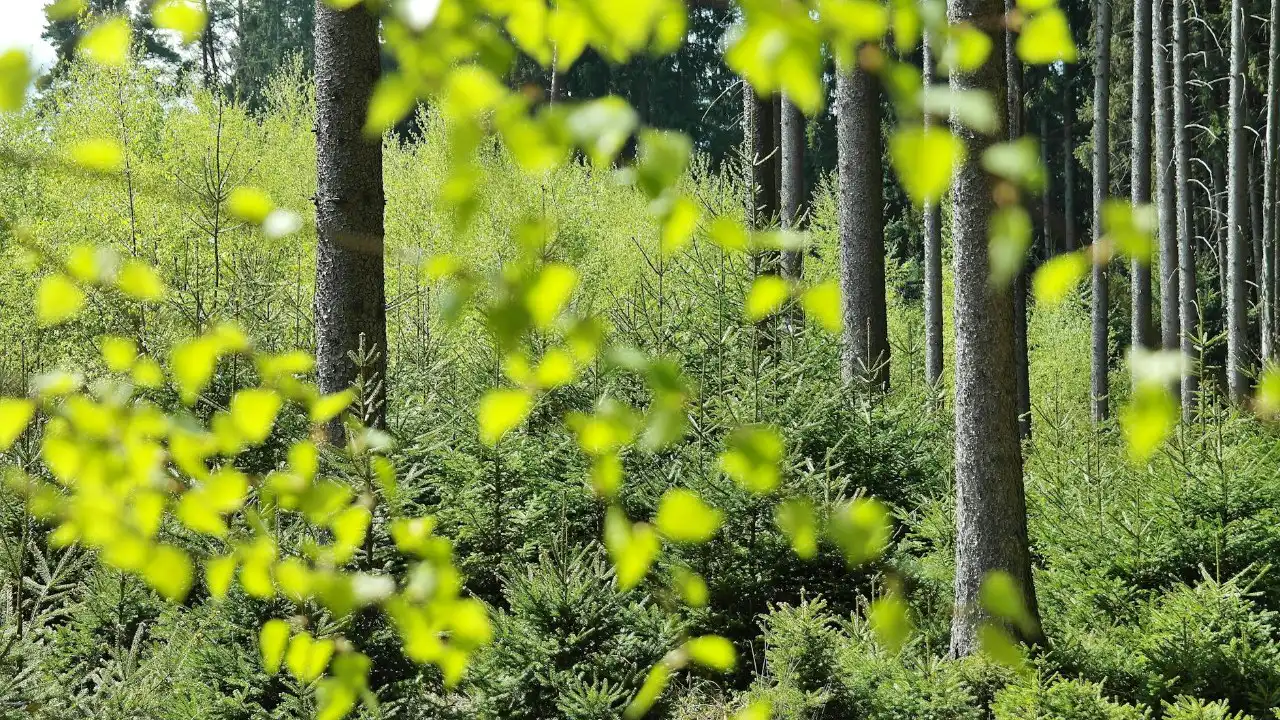
Understanding forest ecosystems begins with recognizing their structural layers. The canopy forms the uppermost layer where tree crowns intercept sunlight, while the understory consists of smaller trees and shrubs growing beneath. The forest floor supports decomposers and nutrient cycling. Biodiversity refers to the variety of life forms within an ecosystem, encompassing species diversity, genetic diversity, and ecosystem diversity. Karnataka’s Western Ghats exemplify high biodiversity, housing endemic species found nowhere else on Earth.

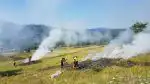
Ecological succession describes how plant communities change over time. Primary succession occurs on barren land like volcanic rock, while secondary succession happens after disturbances like forest fires. Climax community denotes the stable endpoint of succession, such as the evergreen forests in Coorg and Chikmagalur districts. Pioneer species are the first colonizers of disturbed areas, often hardy plants that prepare soil for subsequent species.
Conservation Categories and Protected Area Classifications
Karnataka manages forests through distinct conservation categories, each with specific regulatory frameworks. National parks prohibit all extractive activities and human settlement, protecting pristine ecosystems like Bandipur and Nagarhole. Wildlife sanctuaries permit certain controlled activities while prioritizing species protection. Reserved forests allow regulated timber harvesting and minor forest produce collection under departmental supervision.
| Protected Area Type | Primary Purpose | Human Activity | Karnataka Examples |
|---|---|---|---|
| National Park | Ecosystem preservation | Prohibited except tourism | Bandipur, Kudremukh |
| Wildlife Sanctuary | Species conservation | Controlled activities permitted | Ranganathittu, Sharavathi Valley |
| Reserved Forest | Sustainable management | Regulated extraction allowed | Majority of state forest area |
| Protected Forest | Limited protection | Customary rights recognized | Community forest patches |
Biosphere reserves integrate conservation with sustainable development, as seen in the Nilgiri Biosphere Reserve spanning Karnataka, Tamil Nadu, and Kerala. These reserves contain core zones with strict protection, buffer zones allowing limited activity, and transition zones where communities practice sustainable livelihoods. According to biosphere reserves in India, these areas serve as living laboratories for testing conservation approaches.
Wildlife Management and Species Status
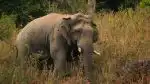
The Wildlife Protection Act of 1972 classifies species into schedules based on threat levels and protection needs. Schedule I provides absolute protection to critically endangered species like tigers and elephants, with severe penalties for violations. Schedule II covers animals requiring high protection but with slightly relaxed provisions. Keystone species play disproportionately large roles in ecosystem functioning relative to their abundance. Asian elephants in Karnataka act as keystone species by creating forest clearings and dispersing seeds.
Flagship species attract public support for conservation, with the Bengal tiger serving as India’s most recognized example. Umbrella species have large habitat requirements, so protecting them safeguards numerous other species sharing that space. Indicator species reflect ecosystem health through their presence or population changes. The Malabar giant squirrel’s distribution in Western Ghats forests indicates habitat quality and canopy connectivity.
Forest Management Practices and Silviculture
Silviculture encompasses techniques for establishing, growing, and harvesting forest crops. Clear felling removes all trees from an area, while selective logging extracts only specific trees, minimizing ecosystem disruption. Coppicing involves cutting trees near ground level to stimulate new shoot growth, a practice suitable for certain species. Afforestation means establishing forests on previously non-forested land, whereas reforestation restores forests on recently deforested areas.
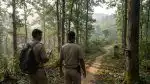
Social forestry programs involve communities in tree planting and management outside traditional forest areas. Joint Forest Management partnerships share responsibilities and benefits between forest departments and local communities, implemented across Karnataka since the 1990s. Agroforestry integrates trees into agricultural landscapes, providing timber, fruit, and fodder while maintaining crop production. According to Karnataka forest department website, these participatory approaches have improved both forest cover and rural livelihoods.
Environmental Regulations and Compliance Mechanisms
Environmental Impact Assessment evaluates potential ecological consequences before approving development projects in or near forests. Forest clearance under the Forest Conservation Act of 1980 requires compensatory afforestation to offset diverted forest land. Non-timber forest produce includes materials like honey, tamarind, and medicinal plants collected without felling trees, providing income for forest-dependent communities.
Carbon sequestration refers to forests capturing and storing atmospheric carbon dioxide, making them crucial climate regulators. Watershed management protects water sources by maintaining forest cover in catchment areas, particularly vital in districts like Chikmagalur that supply water to agricultural regions. Habitat fragmentation occurs when continuous forests become isolated patches, threatening species requiring large territories. Wildlife corridors connect fragmented habitats, enabling animal movement between protected areas like the corridor linking Bandipur and Nagarhole.
Building Your Environmental Vocabulary for Success
Systematic vocabulary building separates successful forest guard candidates from those who struggle with technical content. Create flashcards pairing terms with Karnataka-specific examples rather than abstract definitions. Practice explaining concepts to someone unfamiliar with forestry, which reveals gaps in understanding. Review previous examination papers to identify frequently tested terminology and prioritize those terms.
Field visits to local protected areas transform abstract vocabulary into tangible observations. Observing succession stages in regenerating forests or identifying indicator species reinforces retention far better than passive reading. Join study groups where members quiz each other using technical terminology in context. This active engagement builds the fluency needed to confidently navigate both objective questions and descriptive answers during Karnataka Forest Department examinations.