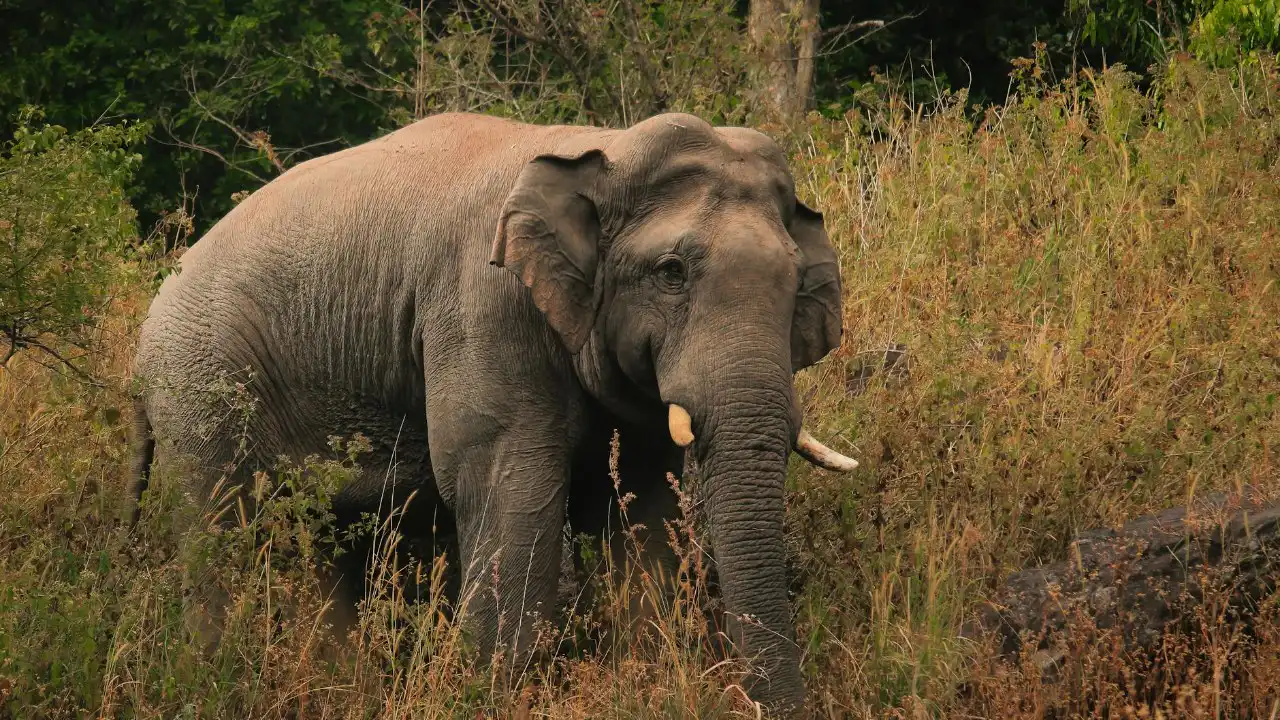
Karnataka’s expanding human settlements and forest boundaries increasingly overlap, creating scenarios where elephants raid crops, leopards stray into villages, and wild boars destroy agricultural land. The Karnataka Forest Department operates specialized conflict mitigation units across 20 districts, deploying rapid response teams within two hours of distress calls in high-conflict zones like Kodagu, Hassan, and Mysuru. These teams combine immediate threat removal with long-term habitat management strategies designed to reduce recurring incidents.
Table of Contents
Rapid Response Protocols and Ground Operations
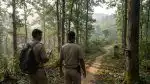
When a farmer reports an elephant herd near standing crops or a leopard sighting in residential areas, the department’s control room activates GPS-tracked response vehicles stationed at strategic forest ranges. Field officers arrive with trained personnel carrying tranquilizer equipment, nets, and crowd management resources. The protocol prioritizes non-lethal methods: elephants are driven back using controlled bursts of sound from firecrackers and searchlights, while smaller animals like wild boars face physical barriers constructed overnight.

Leopards present complex challenges requiring veterinary experts and specialized cages. Officers first establish a safety perimeter, then deploy camera traps to confirm the animal’s location before attempting capture. According to Karnataka Forest Department annual reports, the state recorded 847 conflict incidents in 2023, with successful non-lethal resolution in 94 percent of cases. Captured animals undergo health assessments before release in deeper forest zones, typically 30 to 50 kilometers from human habitation.
Preventive Infrastructure Development
Physical barriers form the department’s primary preventive strategy. Karnataka has constructed over 1,200 kilometers of solar-powered electric fencing along forest fringes in Bandipur, Nagarhole, and Bannerghatta regions. These fences deliver mild shocks sufficient to deter elephants without causing injury, though maintenance remains challenging during monsoon seasons when vegetation growth short-circuits the system.
Trench barriers offer permanent solutions in areas where fencing proves impractical. Trenches measuring 3 meters wide and 2.5 meters deep run parallel to forest edges, preventing elephant crossings while allowing smaller wildlife movement. The department has completed 480 kilometers of such trenches across conflict-prone districts, though annual maintenance costs average Rs 45,000 per kilometer due to soil erosion and filling from heavy rains.
| Mitigation Method | Coverage in Karnataka | Primary Target Species | Effectiveness Rate |
|---|---|---|---|
| Solar Electric Fencing | 1,200+ km | Elephants, Wild Boar | 87% |
| Trench Barriers | 480 km | Elephants | 91% |
| Early Warning Systems | 340 villages | All Large Animals | 78% |
| Compensation Processing | Statewide | All Wildlife | 63% within 90 days |
Community-Based Warning Networks

Technology integration has transformed conflict prevention in remote villages. The department operates SMS-based alert systems in 340 villages across elephant corridors, sending real-time warnings when herds approach human settlements. Watchtowers equipped with night-vision cameras and mobile connectivity allow volunteers to report animal movements, triggering automated messages to registered farmers within a five-kilometer radius.
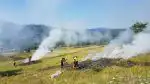
Village-level Forest Protection Committees play crucial roles in this network. Trained community members conduct evening patrols during harvest seasons, maintaining fires and noise barriers at field boundaries. These committees receive Rs 3,000 monthly allowances plus equipment support, creating local employment while reducing response times. The system has decreased crop damage incidents by 42 percent in participating villages since 2021, according to Human-Wildlife Conflict Mitigation project.
Compensation Mechanisms and Implementation Gaps
Affected farmers can claim compensation for crop damage, livestock losses, and property destruction through designated forest range offices. The compensation structure pays Rs 30,000 per acre for complete crop loss, Rs 50,000 for cattle killed by predators, and up to Rs 5 lakh for human injuries. However, documentation requirements often delay payments, with verification processes taking 60 to 180 days depending on district administrative capacity.
Activists criticize the compensation rates as insufficient to cover actual agricultural losses, particularly for high-value crops like areca nut and coffee. The verification process requires photographic evidence, veterinary certificates for livestock deaths, and multiple departmental clearances, creating bureaucratic bottlenecks that frustrate claimants. Simplification of these procedures remains an ongoing demand from farmer associations across conflict zones.
Habitat Restoration and Long-Term Solutions
Permanent conflict reduction requires addressing root causes. The department’s habitat improvement programs focus on creating water sources and fodder plantations within protected forests, reducing animal dependency on agricultural areas. Over 400 artificial water holes have been constructed in core forest zones during the past five years, supplemented by bamboo and native grass cultivation across 15,000 hectares.
Corridor restoration projects aim to reconnect fragmented habitats, allowing safe animal movement between forest patches without traversing villages. The Bannerghatta-Sathyamangalam corridor project involves land acquisition and relocation assistance for families living in critical pathways, though progress remains slow due to funding constraints and resettlement challenges. These initiatives represent multi-decade investments essential for sustainable coexistence between Karnataka’s wildlife populations and its growing human communities.