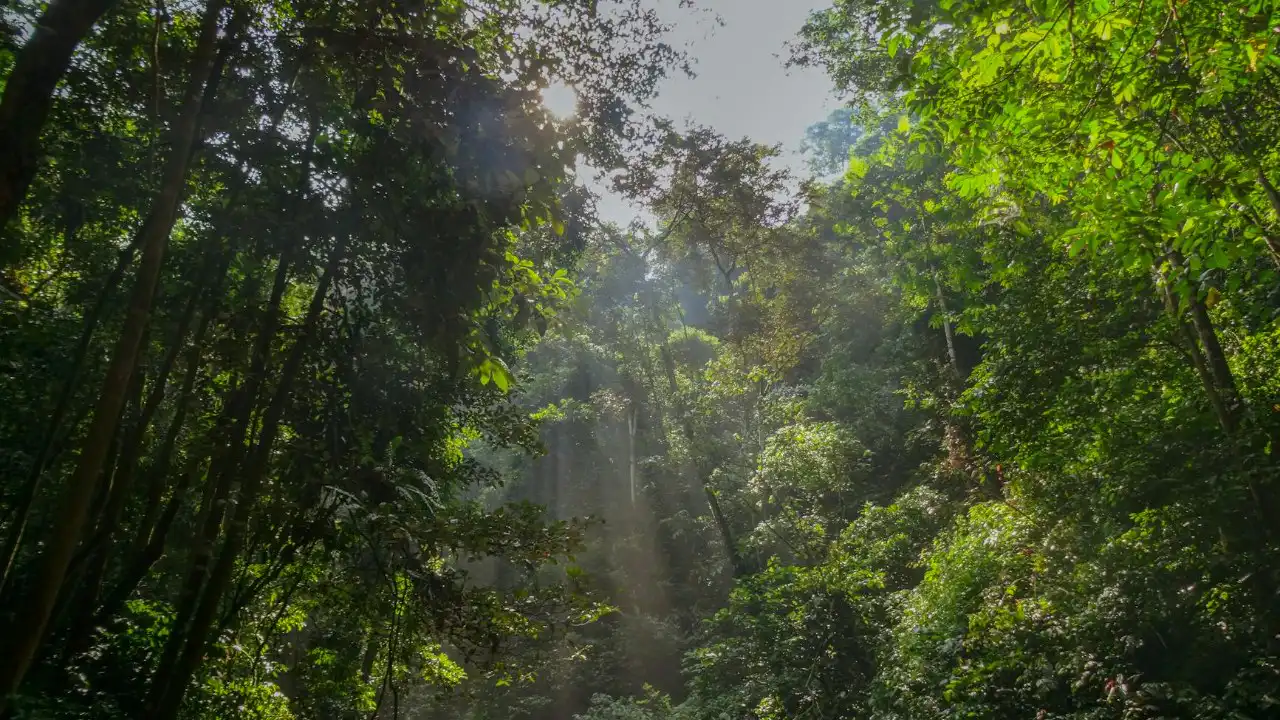
Forests stand as Karnataka’s ecological backbone, supporting millions of lives through water security, climate regulation, and economic sustenance. From the Western Ghats’ evergreen canopies to the dry deciduous forests of the northern plateau, these ecosystems regulate rainfall patterns, prevent soil erosion, and provide livelihoods to forest-dependent communities across the state. Understanding their multifaceted importance reveals why forest conservation must remain a priority for every resident, policymaker, and environmental advocate in Karnataka.
Table of Contents
Water Security and Watershed Protection
Karnataka’s major river systems, including the Cauvery, Krishna, and Tungabhadra, originate in or flow through forested regions that act as natural water towers. Forest canopies intercept rainfall, allowing gradual soil infiltration rather than surface runoff. This process replenishes groundwater aquifers that supply drinking water to Bengaluru, Mysuru, and hundreds of smaller towns. The soil beneath forest floors functions as a massive sponge, storing water during monsoons and releasing it steadily during dry months.
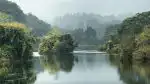
Deforestation accelerates erosion and increases sediment load in reservoirs, reducing their storage capacity. The Linganamakki and Hemavathi reservoirs, critical for irrigation and hydroelectric power, depend on forested catchment areas to maintain water quality and flow consistency. Communities in Kodagu and Uttara Kannada districts have witnessed direct correlations between forest health and spring reliability, with degraded forest patches showing earlier spring depletion during summer months.
Root systems stabilize slopes in hilly terrain, preventing landslides that claim lives and damage infrastructure during heavy rains. The 2019 floods in coastal Karnataka demonstrated how deforested areas experienced more severe landslides compared to regions with intact forest cover, highlighting the protective value of mature tree stands.
Climate Regulation and Carbon Storage
Forests absorb atmospheric carbon dioxide during photosynthesis, storing carbon in biomass and soil organic matter. Karnataka’s forests sequester an estimated 300 million tonnes of carbon, mitigating climate change impacts that threaten agricultural productivity statewide. Losing forest cover releases stored carbon back into the atmosphere while eliminating future absorption capacity, creating a dual climate penalty.
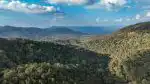
Local temperature moderation occurs through transpiration, where trees release water vapor that cools surrounding air. Bengaluru’s remaining green spaces demonstrate this effect, with forested areas registering temperatures 3 to 5 degrees Celsius lower than concrete-dominated neighborhoods. Expanding cities experience intensified heat islands precisely because tree cover disappears faster than replacement planting occurs.
Rainfall patterns shift when forest cover drops below critical thresholds. Studies from the Western Ghats show that moisture recycling by forests contributes to regional precipitation, meaning deforestation in one district can reduce rainfall in neighboring areas. This interconnection makes forest conservation a collective responsibility rather than a localized concern.
Biodiversity and Ecosystem Services
Karnataka hosts over 4,000 plant species and numerous endemic animals, from the lion-tailed macaque to the Malabar giant squirrel, all dependent on forest habitats. This biodiversity provides direct benefits through pollination services that support coffee plantations in Chikmagalur and Kodagu, Karnataka’s economic mainstays. Wild pollinators contribute billions of rupees annually to agricultural output, yet their populations decline sharply when forest fragments become too isolated.
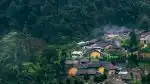
Medicinal plants harvested from forests supply raw materials for ayurvedic and pharmaceutical industries, supporting traditional healthcare systems and modern drug development. Local communities in Chamarajanagar and Mysuru districts rely on non-timber forest products including honey, tamarind, and amla for supplementary income, demonstrating how intact forests generate economic value beyond timber extraction.
Natural pest control occurs when forests harbor predators and parasitoids that regulate insect populations. Farms adjacent to forest edges experience lower pest pressure compared to farms surrounded by monocultures, reducing pesticide dependency and associated health risks.
Livelihood Support and Cultural Significance
Approximately 4 million people in Karnataka depend directly or indirectly on forests for their livelihoods. Tribal communities in Dakshina Kannada, Kodagu, and Shimoga districts gather bamboo, rattan, and medicinal plants through regulated collection systems that provide year-round income. Joint Forest Management committees empower local participation in conservation, creating stewardship models where communities protect resources they depend upon.
Ecotourism centered around forest wildlife sanctuaries generates employment for guides, hospitality workers, and transporters in Nagarhole, Bandipur, and Dandeli. These revenue streams incentivize conservation by demonstrating that living forests provide greater long-term economic benefits than one-time extraction activities.
Sacred groves scattered across Karnataka preserve ancient tree stands through religious and cultural traditions. These community-protected forests serve as biodiversity refuges and watershed sources while maintaining cultural heritage that links current generations to ancestral land management practices.
Comparing Forest Benefits Across Sectors
| Benefit Category | Direct Impact | Primary Beneficiaries | Economic Value |
|---|---|---|---|
| Water Security | Aquifer recharge, flow regulation | Urban populations, agriculture | Billions in infrastructure avoided |
| Carbon Sequestration | 300M tonnes stored | Global climate, local weather | Offset market potential |
| Biodiversity Services | Pollination, pest control | Coffee growers, farmers | Crop yield enhancement |
| Forest Products | Honey, bamboo, medicinal plants | Tribal communities, collectors | Supplementary household income |
| Ecotourism | Wildlife viewing, nature experiences | Hospitality sector, guides | Employment generation |
Collective Responsibility for Forest Health
Protecting Karnataka’s forests requires coordinated action across government agencies, private landowners, and citizen groups. Individual choices regarding consumption patterns, support for sustainable products, and participation in afforestation drives contribute to broader conservation outcomes. Job seekers can explore emerging careers in forest management, wildlife conservation, and environmental monitoring as Karnataka expands its green workforce.
Policy advocacy strengthens legal protections and enforcement mechanisms that prevent illegal logging and encroachment. Environmental activists play crucial roles in monitoring forest health, documenting violations, and mobilizing public support for conservation initiatives. The Forest Rights Act empowers communities to assert traditional claims while accepting co-responsibility for sustainable management.
Karnataka’s ecological resilience and economic prosperity rest fundamentally on maintaining healthy forest ecosystems. Every resident benefits from clean air, stable water supplies, and climate moderation that forests provide, making conservation a shared imperative rather than a niche environmental concern. The choices made today determine whether future generations inherit thriving forests or degraded landscapes unable to support human needs.