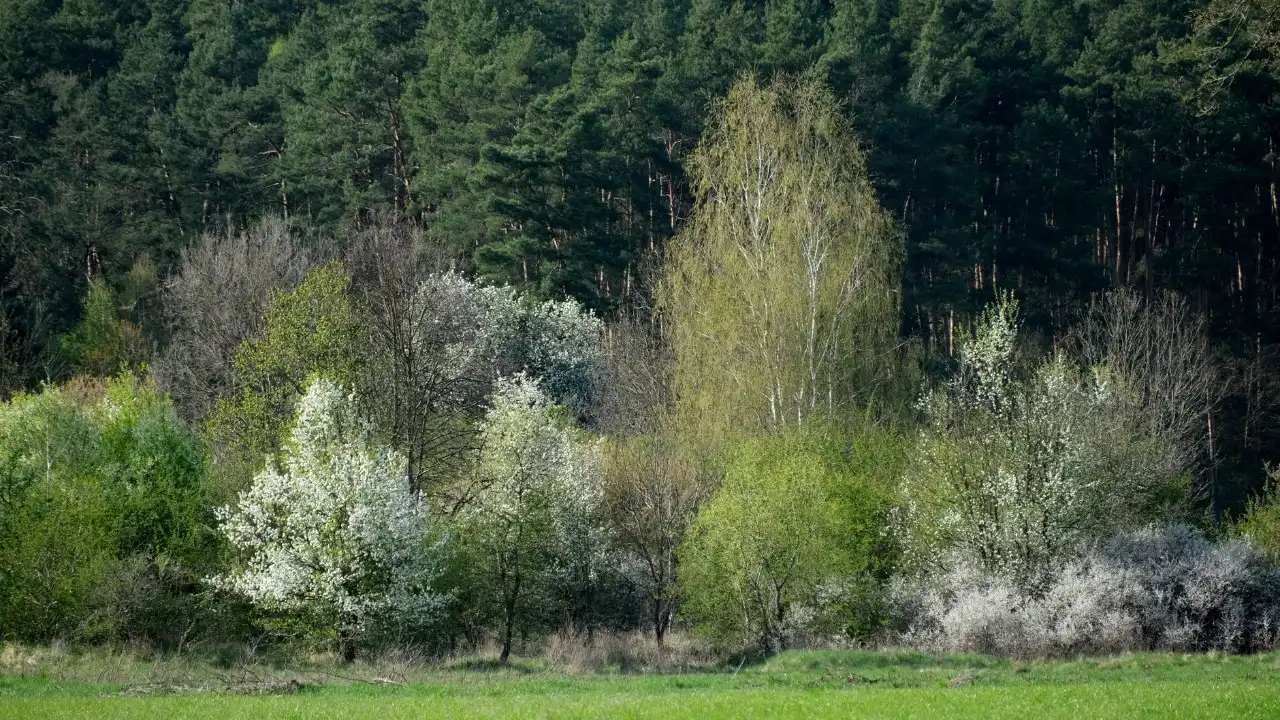
Dandeli Forest, nestled in the Uttara Kannada district of Karnataka, represents one of India’s most ecologically significant protected areas. Spanning approximately 866 square kilometers, this reserve shelters endemic species, regulates regional watersheds, and supports thousands of livelihoods through sustainable tourism. For Karnataka residents and conservation advocates, understanding Dandeli’s dual role as both biodiversity hotspot and economic asset reveals why its protection remains critical to the state’s environmental and cultural identity.
Table of Contents
Ecological Significance of Dandeli’s Forest Cover
The Dandeli Wildlife Sanctuary forms part of the Western Ghats biodiversity corridor, a UNESCO World Heritage Site recognized for exceptional species richness. Dense evergreen and semi-evergreen forests dominate the landscape, creating microclimates that support over 200 bird species, including the critically endangered yellow-throated bulbul and the Malabar pied hornbill. Tiger populations have shown measurable recovery in recent years, with camera trap surveys documenting increased breeding activity within the sanctuary boundaries.
The Kali River, originating within the sanctuary, sustains agriculture across three downstream districts while maintaining aquatic ecosystems housing mahseer fish and mugger crocodiles. According to Kali Tiger Reserve Dandeli information, the reserve’s canopy structure provides nesting sites for 31 mammal species, from Asian elephants migrating along ancient corridors to elusive black panthers documented in forest fringe areas. This habitat diversity creates resilience against climate fluctuations, buffering temperature extremes that affect neighboring agricultural zones.
Medicinal plant diversity within Dandeli includes species used in Ayurvedic formulations for centuries. Local tribal communities, particularly the Halakki Vokkaligas, maintain traditional ecological knowledge systems that identify sustainable harvest periods and propagation techniques. Their stewardship practices have prevented overexploitation of commercially valuable species like Garcinia indica and Terminalia chebula, demonstrating how indigenous conservation methods complement formal protection measures.
Tourism Infrastructure and Economic Contributions
Dandeli has emerged as Karnataka’s premier adventure tourism destination, attracting approximately 300,000 visitors annually. White-water rafting on the Kali River generates direct employment for over 1,200 guides, safety personnel, and hospitality workers from surrounding villages. The tourism economy extends beyond adventure sports to include wildlife safaris, birdwatching expeditions, and cultural heritage tours that showcase tribal crafts and traditional performance arts.

Accommodation infrastructure ranges from eco-lodges operating under strict environmental protocols to government-managed forest rest houses that prioritize minimal ecological footprint. Revenue sharing mechanisms allocate 30 percent of sanctuary entry fees to village development committees, funding school infrastructure, healthcare facilities, and drinking water projects in communities adjacent to the forest boundary. This financial model aligns conservation outcomes with tangible local benefits, reducing human-wildlife conflict incidents by 40 percent since implementation in 2015.
| Tourism Activity | Annual Participants | Employment Generated | Revenue Contribution |
|---|---|---|---|
| White-water rafting | 85,000 | 520 jobs | ₹12 crore |
| Wildlife safaris | 110,000 | 380 jobs | ₹8.5 crore |
| Trekking and camping | 65,000 | 210 jobs | ₹4.2 crore |
| Cultural tourism | 40,000 | 90 jobs | ₹2.1 crore |
Conservation Challenges and Community Responses
Dandeli faces mounting pressures from infrastructure development, particularly the proposed expansion of National Highway 63, which bisects critical elephant corridors. Habitat fragmentation increases vehicle collision rates and disrupts breeding patterns for wide-ranging species. Environmental activists have documented seven elephant deaths along this corridor since 2020, prompting demands for elevated overpasses and restricted nighttime traffic protocols.
Invasive species management presents another ongoing challenge. Lantana camara, introduced during colonial forestry operations, now covers approximately 15 percent of the sanctuary’s understorey, outcompeting native regeneration and reducing forage availability for herbivores. Joint forest management committees combine mechanical removal with controlled burns during specific phenological windows, while research trials explore biological control agents that target invasive plants without affecting endemic flora.

Climate variability has altered monsoon patterns, with delayed rainfall onset affecting fruiting cycles that sustain fruit-eating birds and bats. According to Western Ghats climate extremes adaptation, shifting precipitation regimes threaten bamboo flowering synchrony, potentially disrupting food availability for herbivores during critical breeding seasons. Forest department response strategies include assisted natural regeneration in degraded patches and the establishment of water augmentation structures that maintain dry-season moisture levels.
Sustainable Pathways for Forest and Tourism Balance
Achieving equilibrium between conservation imperatives and tourism growth requires adaptive management frameworks that respond to real-time ecological data. Digital monitoring systems track visitor densities in sensitive zones, automatically triggering temporary closures when thresholds exceed carrying capacity. These interventions prevent soil compaction along popular trails and minimize disturbance during breeding seasons for ground-nesting birds.
Skill development programs train unemployed youth from forest-adjacent villages in specialized roles such as naturalist guides, wildlife photographers, and eco-tourism planners. Certification courses developed in partnership with hospitality institutes emphasize low-impact practices, waste segregation protocols, and interpretive techniques that enhance visitor awareness of conservation challenges. This workforce development strategy ensures tourism revenue circulates within local economies rather than concentrating in urban centers.
The Dandeli model demonstrates that biodiversity conservation and economic development need not operate as competing priorities. When protection measures incorporate community participation and tourism infrastructure adheres to ecological limits, forests can sustain both rare species and human aspirations. For Karnataka’s residents and policymakers, Dandeli offers a replicable framework where natural heritage becomes the foundation for enduring prosperity rather than a barrier to progress.