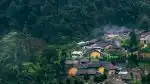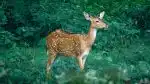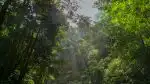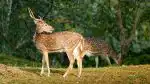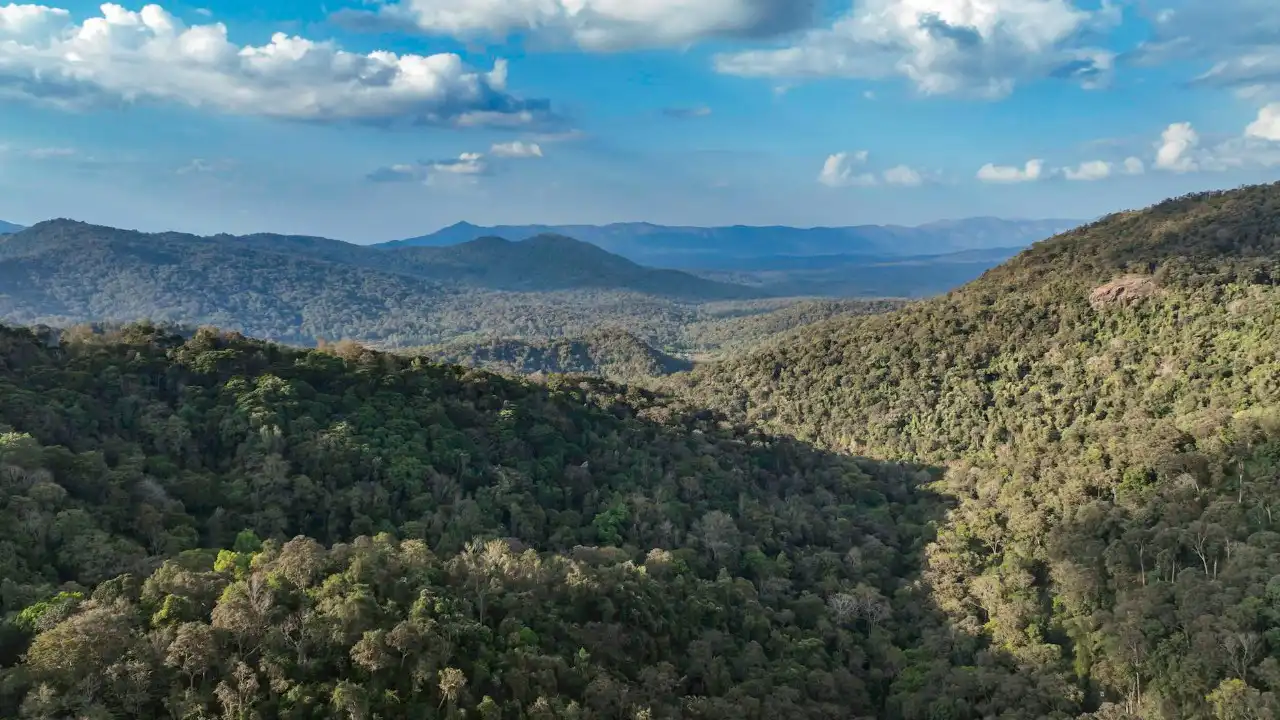
Karnataka encompasses nearly 60 percent of the Western Ghats mountain range within its borders, positioning the state as a crucial guardian of one of the world’s eight biodiversity hotspots. The Western Ghats stretch across 1,600 kilometers from Gujarat to Tamil Nadu, but Karnataka’s 450-kilometer segment contains some of the most ecologically significant forest patches, endemic species, and watershed systems in the entire mountain chain. The state’s conservation decisions directly impact rainfall patterns, river flows, and ecosystem stability across peninsular India.
Table of Contents
Forest Cover and Protected Area Network
Karnataka maintains 21 wildlife sanctuaries and five national parks within the Western Ghats region, forming an interconnected protected area network spanning over 14,000 square kilometers. Nagarhole, Bandipur, and Kudremukh national parks anchor this conservation framework, while lesser-known sanctuaries like Sharavathi Valley and Someshwara preserve critical habitat corridors. The state has increased its forest cover within the Western Ghats by approximately 1,247 square kilometers between 2011 and 2021, according to Forest Survey of India Karnataka forest cover, representing one of the few positive trend lines in an otherwise concerning national deforestation picture.

The Malnad region, Karnataka’s portion of the Western Ghats, hosts 77 percent of the state’s evergreen and semi-evergreen forests. These forests function as natural water towers, feeding seven major river systems including the Cauvery, Tungabhadra, and Sharavathi. Monsoon precipitation in the Western Ghats reaches 3,000 to 5,000 millimeters annually in some districts, and the intact forest structure ensures this water infiltrates groundwater aquifers rather than causing destructive surface runoff.
Endemic Species and Biodiversity Pressures
The Western Ghats in Karnataka support 139 endemic plant species found nowhere else on Earth, along with unique amphibians like the purple frog and critically endangered lion-tailed macaques. Agumbe in Shivamogga district, often called the Cherrapunji of South India, records exceptional king cobra populations and serves as a living laboratory for herpetological research. These biodiversity concentrations face mounting pressure from habitat fragmentation caused by linear infrastructure projects, plantation expansion, and unregulated tourism development.
Mining activities in the Western Ghats districts continue generating controversy despite regulatory frameworks. Iron ore extraction in Kudremukh ceased in 2005 following Supreme Court intervention, allowing gradual ecological recovery in that zone. However, quarrying for construction materials persists in ecologically sensitive areas, with Kasturirangan Committee Western Ghats mining ban documenting over 1,200 mining leases within the state’s Western Ghats boundary as of recent assessments. The tension between economic activity and conservation remains Karnataka’s central environmental governance challenge.
Implementation Challenges of Expert Panel Recommendations
Karnataka has grappled with implementing recommendations from successive Western Ghats expert committees since the Gadgil Committee report in 2011. The committee proposed classifying Western Ghats areas into three ecological sensitivity zones with corresponding development restrictions. Strong opposition emerged from constituencies in Dakshina Kannada, Kodagu, and Uttara Kannada districts, where residents feared the restrictions would halt infrastructure development and agricultural expansion.
The subsequent Kasturirangan Committee in 2013 reduced the ecologically sensitive area designation from 64 percent to 37 percent of the Western Ghats, attempting to balance conservation with development aspirations. Karnataka has declared 20,668 square kilometers as Ecologically Sensitive Area within its Western Ghats zone, but enforcement mechanisms remain inconsistent across districts. Land use conversions continue in designated sensitive zones, often with retroactive approvals that undermine the regulatory framework’s credibility.
| Conservation Metric | 2011 Baseline | 2021 Status | Change |
|---|---|---|---|
| Protected Area Coverage | 12,843 sq km | 14,291 sq km | +11.3% |
| Forest Cover (Dense) | 8,934 sq km | 9,482 sq km | +6.1% |
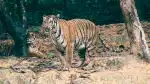
| Tiger Population | 406 individuals | 563 individuals | +38.7% |
| Elephant Corridors Identified | 17 corridors | 23 corridors | +35.3% |
Community Participation and Livelihood Integration
Effective conservation in Karnataka’s Western Ghats requires reconciling forest protection with the livelihood needs of communities who have inhabited these regions for generations. The Van Sanrakshana Samithis, or forest protection committees, engage over 15,000 villages in participatory forest management programs. These committees receive authority over minor forest produce collection, eco-tourism initiatives, and habitat restoration projects, creating economic incentives aligned with conservation outcomes.
Coffee and spice plantations under traditional shade-grown cultivation methods in Kodagu and Chikmagalur districts demonstrate how agricultural systems can coexist with forest conservation. These agroforestry landscapes maintain 40 to 60 percent canopy cover, supporting bird diversity and preventing soil erosion while generating rural income. The challenge lies in preventing conversion of these biodiverse plantations into monoculture estates or built-up areas as land values increase.
Climate Resilience and Future Conservation Pathways
Karnataka’s Western Ghats forests sequester an estimated 1.8 billion tons of carbon dioxide equivalent, functioning as a critical climate regulation mechanism for the entire peninsula. Rising temperatures and shifting precipitation patterns documented over the past two decades threaten this carbon storage capacity. Phenological studies in Bandipur and Nagarhole show flowering and fruiting patterns shifting by 12 to 18 days compared to historical records, disrupting plant-pollinator relationships.
The state government’s 2023 Western Ghats Master Plan emphasizes restoration of degraded forest patches, strengthening wildlife corridors, and transitioning border villages toward nature-based livelihoods. Implementation success depends on adequate funding, inter-departmental coordination between forest, revenue, and tourism departments, and sustained political commitment beyond electoral cycles. Karnataka’s conservation trajectory in the Western Ghats will ultimately determine whether this biodiversity hotspot continues functioning as an ecological anchor or fragments into isolated habitat patches surrounded by incompatible land uses.