Bhadra Wildlife Sanctuary, spanning 492 square kilometers across Chikmagalur and Shimoga districts in Karnataka, stands as a critical biodiversity hotspot within the Western Ghats. Declared a wildlife sanctuary in 1974 and subsequently designated as a Project Tiger reserve in 1998, this protected area represents one of Karnataka’s most significant conservation achievements. Understanding its ecological importance, management strategies, and wildlife corridors proves essential for competitive examination candidates across forestry, environmental science, and administrative services.
Table of Contents
Geographic Location and Physical Features
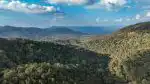
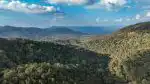
The sanctuary derives its name from the Bhadra River, which flows through its core area before culminating in the Bhadra Reservoir. Located approximately 38 kilometers from Chikmagalur town, the reserve sits at elevations ranging from 650 meters to 1,875 meters above sea level. The terrain comprises undulating hills, steep valleys, and perennial streams that feed into the larger river system.
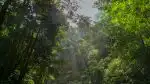
Three distinct vegetation zones characterize the sanctuary. Southern tropical moist deciduous forests dominate the lower elevations, transitioning to semi-evergreen forests in mid-elevation zones. The highest reaches feature tropical evergreen forests with dense canopy cover. This vertical stratification creates multiple ecological niches that support diverse fauna and flora assemblages.
The Bhadra Reservoir, constructed in 1965, forms the sanctuary’s southern boundary. While the reservoir supports irrigation and hydroelectric generation, it also functions as a vital water source for wildlife, particularly during summer months when natural streams diminish.
Wildlife Diversity and Conservation Status
The sanctuary supports approximately 120 species of trees, 94 species of herbs, and 42 species of climbers. Teak, rosewood, silver oak, and sandalwood constitute the dominant tree species, though commercial exploitation ceased following sanctuary designation.
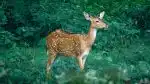
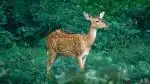
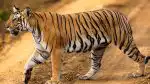
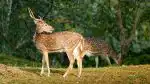
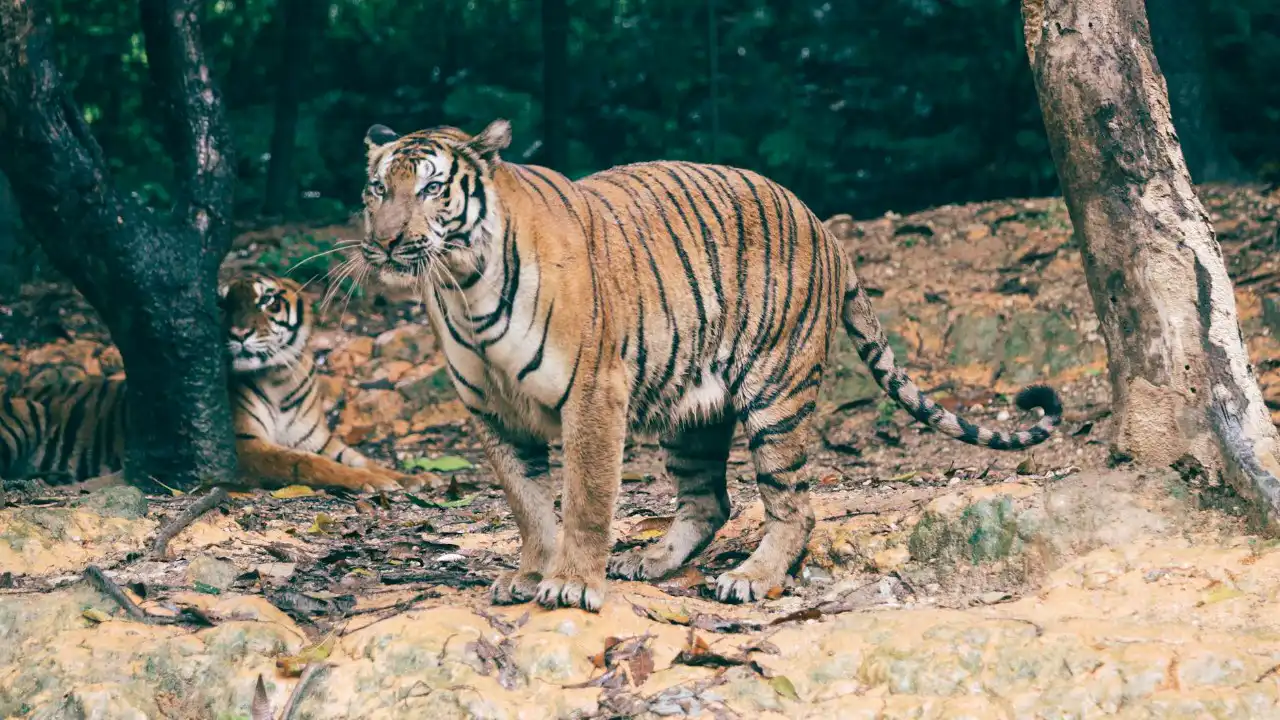
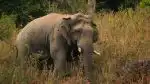
Among large mammals, the Bengal tiger occupies the apex predator position. According to [CITE: Karnataka tiger census 2023 NTCA data], Bhadra maintains a stable breeding population that contributes to the state’s overall tiger conservation success. The sanctuary also harbors significant populations of Asian elephants, leopards, gaur, sambar deer, spotted deer, and wild boar. The elusive sloth bear, though less frequently sighted, maintains established territories within the reserve.
Avian diversity includes over 250 recorded species. Malabar trogon, great hornbill, changeable hawk-eagle, and crested serpent eagle represent the notable resident species. The sanctuary’s varied habitats attract both resident and migratory birds, making it a valuable site for ornithological studies.
| Wildlife Category | Notable Species | Conservation Status |
|---|---|---|
| Large Carnivores | Bengal Tiger, Leopard, Wild Dog | Endangered to Vulnerable |
| Herbivores | Asian Elephant, Gaur, Sambar, Spotted Deer | Vulnerable to Least Concern |
| Primates | Bonnet Macaque, Common Langur, Lion-tailed Macaque | Endangered to Least Concern |
| Reptiles | King Cobra, Python, Monitor Lizard | Schedule I Protected |
| Birds | Malabar Trogon, Great Hornbill, Malabar Pied Hornbill | Near Threatened to Least Concern |
Management Challenges and Human-Wildlife Conflict
The sanctuary’s proximity to agricultural settlements creates ongoing management complexities. Crop raiding by elephants and wild boar represents the most frequent conflict scenario. Farmers in fringe villages report significant losses during harvest seasons, particularly for paddy and ragi crops. The Karnataka Forest Department has implemented solar fencing and early warning systems in vulnerable villages, though coverage remains incomplete.

Coffee and areca nut plantations within the sanctuary’s buffer zones create habitat fragmentation issues. Historical land use patterns permitted cultivation before sanctuary notification, and these holdings continue under existing use rights. Balancing livelihood concerns with conservation objectives requires sustained dialogue between forest authorities and local communities.
Tourism pressure, while economically beneficial to nearby towns, demands careful regulation. The sanctuary permits controlled vehicle safaris along designated routes, with daily visitor limits enforced during peak seasons. Unregulated entry points and off-road driving remain enforcement challenges that compromise sensitive breeding areas.
Connectivity with Adjacent Protected Areas
Bhadra functions as a critical link in the Karnataka wildlife corridor network. The sanctuary connects to Kudremukh National Park through a 12-kilometer forest corridor that facilitates elephant movement between protected areas. This connectivity proves essential for genetic diversity maintenance and range expansion for wide-ranging species.
Research indicates that tiger dispersal from Bhadra contributes to population establishment in adjacent reserves. Young male tigers frequently traverse these corridors seeking new territories, a process vital for preventing inbreeding within isolated populations. According to [CITE: Western Ghats wildlife corridor mapping Forest Survey of India], maintaining these landscape-level connections determines long-term viability for Karnataka’s tiger metapopulation.
The Malenad region’s continuous forest cover, despite agricultural incursions, provides movement pathways that few other landscapes in peninsular India can match. Conservation strategies increasingly emphasize securing these corridors through community participation and land-use planning interventions.
Administrative Structure and Ecotourism Initiatives
The sanctuary operates under the Project Tiger framework with a dedicated field director overseeing protection, monitoring, and community engagement programs. Four ranges divide the sanctuary for administrative purposes: Muthodi, Lakkavalli, Hebbe, and Kerekatte. Each range maintains anti-poaching camps and conducts regular patrolling schedules.
Ecotourism infrastructure centers on Muthodi, where the Forest Department operates a nature interpretation center and guest accommodation. Visitors can access curated safari routes that showcase the sanctuary’s biodiversity while minimizing disturbance to core wildlife zones. Revenue generated through entry fees and safari permits contributes to habitat improvement and community development initiatives.
Educational programs target school groups and college students, emphasizing Karnataka’s natural heritage and conservation responsibilities. These initiatives cultivate environmental awareness among younger demographics who will shape future policy directions. The sanctuary collaborates with research institutions for long-term ecological monitoring studies that inform adaptive management practices.
For examination candidates, Bhadra Wildlife Sanctuary exemplifies successful protected area management within a complex socio-ecological landscape. Its designation history, species composition, corridor functions, and management challenges represent recurring themes across forestry and environmental science syllabi. Mastery of these elements provides foundational knowledge applicable to broader conservation policy analysis and field-level implementation scenarios throughout Karnataka and the Western Ghats biodiversity hotspot.