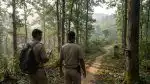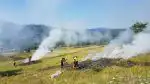
Forest guards serve as the front-line protectors of Karnataka’s vast woodland ecosystems, spanning over 43,000 square kilometers of reserved and protected forests. These dedicated personnel manage everything from anti-poaching patrols in the Western Ghats to wildlife conflict resolution in rural buffer zones. Unlike desk-bound administrative roles, forest guards spend most working hours navigating dense terrain, monitoring biodiversity, and enforcing conservation laws that protect both natural resources and local communities.
Table of Contents
Primary Responsibilities and Daily Operations
A forest guard’s core mandate centers on territorial surveillance and resource protection. Daily duties include patrolling assigned forest beats, typically covering 10 to 15 kilometers on foot through challenging topography. Guards document illegal activities such as timber theft, encroachment, and wildlife poaching while maintaining detailed beat registers that track flora and fauna observations. In Karnataka’s tiger reserves like Bandipur and Nagarhole, guards conduct camera trap monitoring and record animal movement patterns critical for conservation planning.

Fire prevention constitutes another essential responsibility, particularly during summer months when dry deciduous forests face heightened risk. Guards create and maintain firebreaks, organize controlled burns to reduce combustible material, and coordinate rapid response teams during active fire events. They also manage entry checkpoints at forest boundaries, verify permits for legitimate forest produce collection, and ensure visitors comply with sanctuary regulations.
Wildlife Management and Human-Conflict Mitigation
Karnataka’s forest guards frequently mediate conflicts between wildlife and agricultural communities along forest fringes. When elephants raid croplands in districts like Hassan or Kodagu, guards deploy immediate deterrent measures including sound bombs and LED barriers while coordinating with range officers for longer-term solutions. They document crop damage incidents, assist farmers with compensation claim processes, and conduct awareness programs on coexistence strategies.
Rescue operations for injured or trapped animals fall within their jurisdiction. Guards have retrieved leopards from open wells in Tumakuru district, relocated venomous snakes from residential areas, and provided first-response care to injured deer or wild boars before veterinary teams arrive. This work requires both courage and specialized knowledge of animal behavior acquired through field experience and departmental training.
Enforcement Authority and Legal Functions

Forest guards possess powers under the Karnataka Forest Act and Wildlife Protection Act to detain suspects, seize contraband, and register cases against offenders. When encountering illegal sandalwood smuggling operations, a persistent issue in Karnataka’s southern forests, guards conduct raids, document evidence, and present cases before forest courts. They work closely with local police during coordinated operations targeting organized wildlife crime networks.
| Enforcement Action | Authority Level | Typical Outcome |
|---|---|---|
| Illegal timber seizure | Independent detention and case filing | Fine and prosecution under Forest Act |
| Wildlife poaching arrest | Requires range officer coordination | Wildlife Protection Act prosecution |
| Encroachment documentation | Independent survey and reporting | Eviction notice and land recovery |
| Minor forest produce violations | Warning or penalty issuance | Educational warning or nominal fine |
Documentation accuracy proves critical in these enforcement actions. Guards prepare detailed panchnamas, maintain chain of custody for seized items, and testify in legal proceedings. Their field reports often determine whether cases result in convictions or dismissals.
Community Engagement and Education
Beyond enforcement, forest guards function as environmental educators within their jurisdictions. They organize village-level meetings explaining sustainable harvesting practices for non-timber forest products like honey, tamarind, and medicinal plants that provide livelihoods for tribal communities. In regions where Joint Forest Management Committees operate, guards facilitate collaborative decision-making between department officials and local stakeholders.

School outreach programs represent another dimension of this work. Guards conduct nature walks for students, explain ecosystem services forests provide, and foster conservation awareness among younger generations. During Wildlife Week celebrations in October, guards arrange educational exhibits showcasing confiscated wildlife products and explaining the ecological consequences of illegal trade.
Career Pathway and Qualification Requirements
Aspiring forest guards in Karnataka must meet specific eligibility criteria established by the state Forest Department. Candidates need a minimum 10th standard education, though many positions now prefer PUC or degree holders. Physical fitness standards include specific height, chest, and endurance benchmarks suitable for demanding fieldwork. The selection process typically involves written examinations covering general knowledge, mathematics, and basic forestry concepts, followed by physical efficiency tests and personal interviews.
After selection, recruits undergo six months of training at the Karnataka Forest Department Training School in Dharwad or specialized wildlife training centers. The curriculum covers forest law, wildlife identification, map reading, first aid, and self-defense techniques. Guards receive postings to various ranges based on departmental requirements, often beginning careers in remote forest divisions before potential transfers to areas closer to urban centers.
Challenges and Evolving Role
Modern forest guards contend with challenges their predecessors never faced. Climate change alters seasonal patterns, affecting everything from fire risk predictions to animal migration routes. Technology integration now requires guards to operate GPS devices, use smartphone apps for real-time reporting, and manage digital databases replacing traditional paper registers. Budget constraints sometimes limit resources for proper equipment, communication tools, and adequate staffing levels across Karnataka’s extensive forest network.
Despite these obstacles, forest guards remain indispensable to Karnataka’s environmental future. Their ground-level expertise informs policy decisions, their vigilance prevents ecological degradation, and their community relationships build the social foundation for sustainable conservation. Anyone considering this career path should recognize it demands physical resilience, ethical integrity, and genuine commitment to protecting natural heritage for generations ahead.